

Your Stylish, Damage-Free Solution
For renters, the fear of losing a security deposit often stifles any desire to personalise a living space. Most rental agreements strictly forbid permanent changes like painting or traditional wallpapering. This is where peel-and-stick wallpaper emerges
as a game-changer. Unlike its messy, paste-based ancestors, this modern decor marvel is essentially a large, high-quality sticker. It features a self-adhesive backing that allows for easy application and, crucially, clean removal. This means you can transform a room with vibrant patterns and colours with the confidence that you can simply peel it off when it's time to move out, leaving the wall exactly as you found it.
Embrace the Colour-Blocking Trend
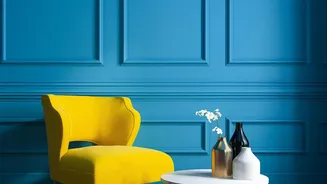
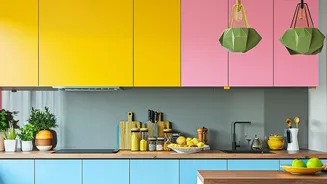
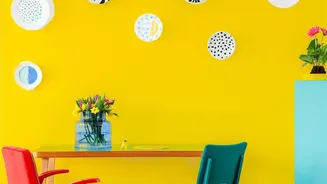
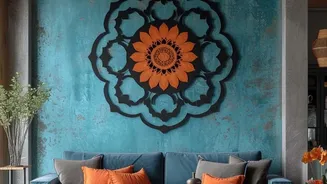
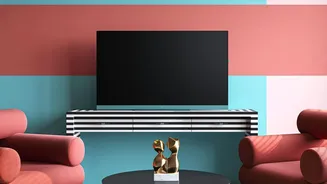
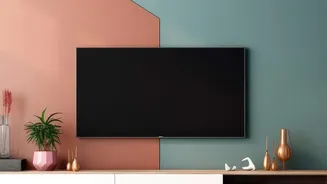
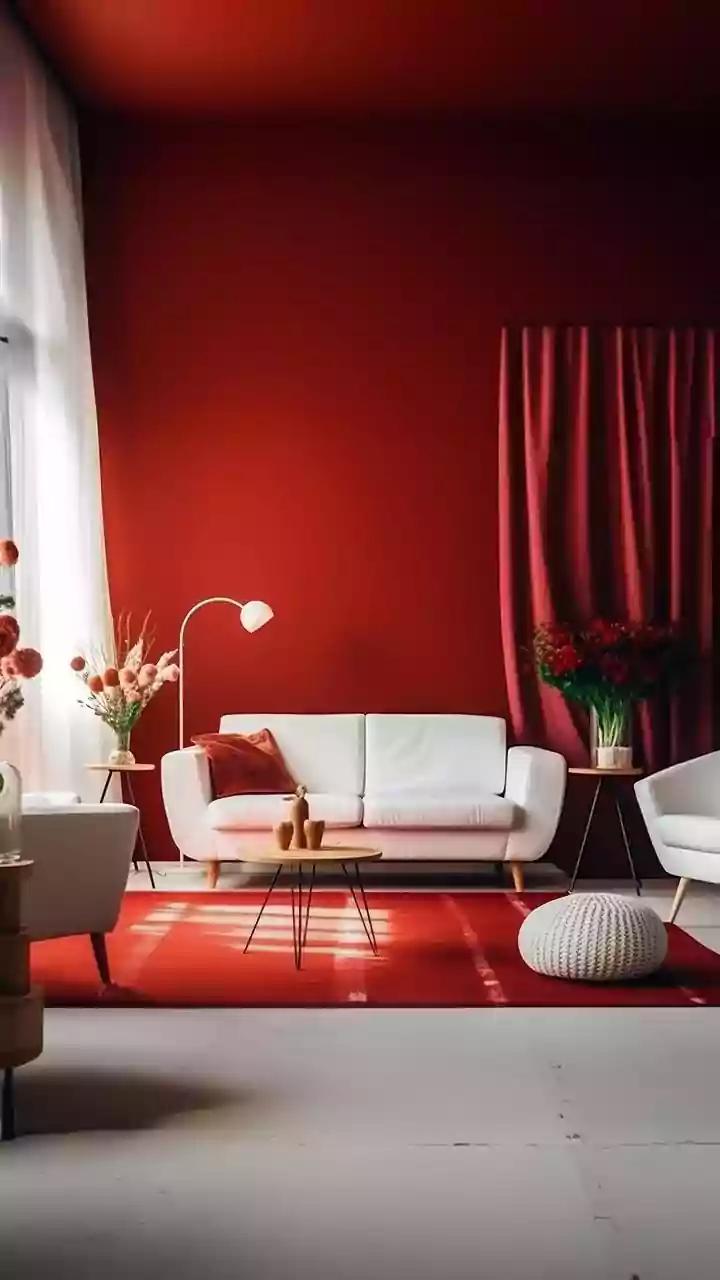
Colour-blocking is an interior design technique that uses two or more solid blocks of colour to create a bold, artistic statement. It can make a room feel more dynamic, highlight architectural features, or even create the illusion of more space. While this can be done with paint, using removable wallpaper offers a simpler, less permanent route. You can create a stunning accent wall behind your bed, apply a contrasting colour to the bottom half of a wall for a split effect, or use geometric shapes to craft a unique focal point. Many wallpaper brands even offer designs that incorporate colour-blocking directly into the pattern, giving you the look without the effort of combining multiple rolls.
A Simple Guide to Flawless Application
Getting a professional-looking finish is achievable, even for DIY beginners. First, prepare your surface. The wall should be clean, dry, and smooth. Wipe it down to remove any dust or grime and allow it to dry completely. For best results, don't apply to freshly painted walls; allow the paint to cure for at least four weeks. Start by marking a straight, vertical guideline with a level. Peel about 12 inches of the backing from your first panel and align it with your guideline, leaving a little extra at the top to be trimmed later. Working from the top down, smooth the wallpaper against the wall, using a plastic smoother to push air bubbles from the centre outwards. When adding the next panel, carefully align the pattern before pressing it down.
The No-Stress Removal Process
When your lease is up or you're ready for a change, removing the wallpaper is straightforward. Start at a top corner and gently pull the edge away from the wall. The key is to peel slowly and at a low, downward angle rather than pulling straight out. This minimises stress on the wall and the wallpaper itself. If you encounter a stubborn spot, a bit of gentle heat from a hairdryer on a low setting can help soften the adhesive and make it release more easily. Once the panel is off, any minor adhesive residue left behind can typically be wiped away with a damp, soapy cloth. The result should be a clean wall with no damage to the underlying paint.
Choosing the Right Wallpaper
Not all peel-and-stick wallpapers are created equal. Quality can vary significantly, so it's wise to do some research. Look for wallpapers made from durable materials like fabric or high-quality vinyl, as these are less likely to stretch or tear. Many Indian brands like India Circus, Nilaya by Asian Paints, and others offer a wide range of styles, from traditional motifs to modern geometrics. It's also a good idea to check reviews and, if possible, order a sample to check the colour and texture in your space. Pay attention to the type of wall you have; most removable wallpapers adhere best to smooth surfaces and may struggle with heavily textured walls or in high-humidity areas like bathrooms without proper ventilation.