




The Thirst Myth: A Lagging Indicator
Thirst is your body’s built-in alert system for low fluid levels, but it’s not the first alarm that sounds. By the time you feel that urgent need to drink, you may already be mildly dehydrated. Dehydration occurs when your body loses more fluid than it takes
in, making it unable to perform its normal functions. Your thirst mechanism is a reaction to this deficit, not a proactive warning. Relying solely on thirst, especially for older adults and young children whose thirst signals can be weaker, can lead to a cycle of playing catch-up, which impacts everything from energy to mood.
The Sneaky Signs of Early Dehydration
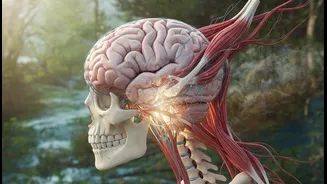
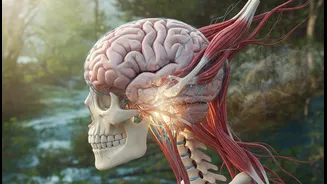
Before you feel parched, your body sends out subtle signals that it needs more water. One of the most common is a nagging headache. When you're low on fluids, your brain tissue can temporarily shrink, pulling away from the skull and putting pressure on nerves, causing pain. Other early warnings include feeling unusually tired or sluggish, experiencing 'brain fog' or difficulty concentrating, and feeling irritable. You might also notice your urine is a darker yellow color, which is a clear sign your body is trying to conserve water. Even mild dehydration can reduce blood volume, making your heart work harder and leading to dizziness or a rapid heartbeat.
The Power of Proactive Hydration
Staying ahead of dehydration does more than just prevent discomfort; it actively boosts your well-being. Proper hydration is essential for brain performance, with studies showing it improves focus, memory, and mental clarity. Since the brain is about 75% water, keeping it hydrated ensures neurons can transmit signals efficiently. Staying hydrated also improves energy levels, as it helps your circulatory system deliver oxygen to your brain and muscles more effectively. Over the long term, chronic adequate hydration has been linked to a lower risk of developing certain chronic diseases and may even help you stay healthier as you age. Plus, it helps keep skin looking its best by maintaining elasticity.
How Much Water Do You Really Need?
The old 'eight glasses a day' rule is a decent starting point, but it's not a one-size-fits-all solution. Your individual needs depend on your age, body weight, activity level, and the climate you live in. A general recommendation for adults is around 11.5 cups (2.7 litres) of total fluid for women and 15.5 cups (3.7 litres) for men per day. This total includes water from all beverages and foods. In hot and humid climates like India's, you will sweat more and need to increase your intake accordingly. A good way to monitor your hydration is by checking your urine colour—it should be a pale, light yellow. Another simple check is urination frequency; if you’re not going to the bathroom every two to three hours, you may need to drink more.
Smart Strategies for All-Day Hydration
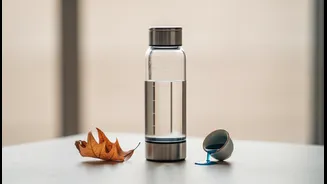
Making hydration a habit doesn't have to be a chore. Start your day with a full glass of water to rehydrate after sleep. Carry a reusable water bottle with you as a constant visual reminder. If you find plain water boring, infuse it with fruits like lemon or berries, or herbs like mint. You can also 'eat' your water by consuming water-rich foods like cucumber, watermelon, strawberries, and oranges. About 20% of your daily fluid intake comes from food. For those who are active, it’s crucial to drink water before, during, and after exercise. Set reminders on your phone or use an app to track your intake until sipping regularly becomes second nature.