


Witness the Royal Kick-off in Tripunithura
While Kochi gets much of the attention, the nearby royal town of Tripunithura is where the ten-day Onam festival officially begins. The Athachamayam is a grand street parade that historically marked the Maharaja of Kochi's march to the Thrikkakara temple.
Today, it has transformed into a spectacular cultural procession for everyone. Imagine caparisoned elephants, colourful floats depicting mythology and social issues, and a moving museum of Kerala's folk art forms. You'll see performers of Theyyam, Pulikali, Kathakali, and more, all accompanied by the powerful rhythms of percussion ensembles like Pandimelam and Panchavadyam. Experiencing Athachamayam on the Atham day, ten days before Thiruvonam, allows you to witness the festival's vibrant inauguration before the main tourist crowds descend, offering a glimpse into its regal past and secular present.
Experience Ritual and Rhythm in Aranmula
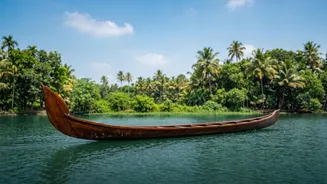
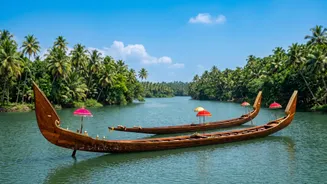
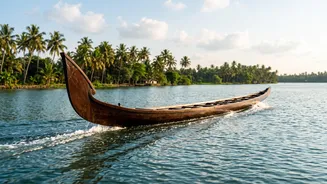
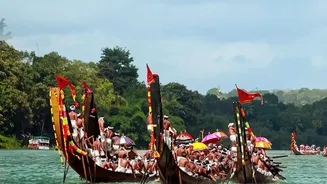
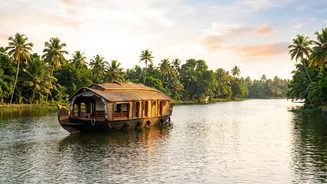
The famous snake boat races, or Vallamkali, are an Onam staple, but the one at Aranmula is less of a commercial race and more of a sacred ritual. The Aranmula Uthrattathi Vallamkali is deeply connected to the Sree Parthasarathy Temple and commemorates a legend where villagers in snake boats protected a vessel carrying offerings for a feast. This history infuses the event with a palpable sense of devotion. Here, the focus is on synchronized rowing and chanting devotional songs (Vanchipattu) as the massive Palliyodam boats glide down the Pampa River. Even more unique is the Vallasadya, a massive ritualistic feast served to the oarsmen at the temple. This is not just a meal; it's an offering where the boatmen playfully demand dishes by singing specific songs, and a feast featuring over 60 dishes is served. Visiting Aranmula offers a chance to see a more spiritual and community-driven side of Onam's aquatic traditions.
Discover Folk Art in Thrissur’s Villages
Thrissur is rightly called the cultural capital of Kerala, and during Onam, it roars to life with Pulikali, the iconic 'tiger dance'. While the main event at Swaraj Round is a massive spectacle, the real charm can often be found in the smaller, local performances in surrounding neighbourhoods and villages. Here, you can witness the hours-long process of artists meticulously painting their bodies with vibrant stripes and preparing their masks. Beyond Pulikali, the region of Thrissur is also a hub for other lesser-known Onam folk arts like Kummattikali. In this tradition, performers wear large, colourful wooden masks and costumes made of woven grass, dancing through villages and collecting small gifts from households, creating a festive and earthy spectacle that feels worlds away from a staged show.
Engage in Martial Tradition in Palakkad
For an Onam experience that is truly off the beaten path, head to the countryside of Palakkad. This region is known for Onathallu, a traditional form of ritualistic mock combat. Also known as Avittathallu, this bare-handed martial art is performed on the Avittam day of Onam, particularly in the village of Pallassena. It commemorates ancient battles and is considered a sacred offering by the Nair community. Men gather in a designated circle called an 'Attakalam' and engage in a semi-contact sport involving palm strikes and blocks, showcasing agility and strength under the watch of community elders. It’s a powerful, energetic display that connects the harvest festival to the region's martial history. Witnessing Onathallu offers a rare insight into a raw and rustic tradition that has been preserved for centuries, far from the commercial festival circuit.