






A New Festive Consciousness
Across urban India, a quiet revolution is taking place at the dining table. Young hosts, driven by a blend of environmental awareness and a desire for authenticity, are reimagining the traditional festive feast. The focus is shifting from opulence to
mindfulness, proving that a memorable celebration doesn't have to leave a mountain of waste. This new approach champions conscious choices, from the invitations sent to the food served and the decor used. It’s less about extravagance and more about creating meaningful experiences that are kinder to the planet. The trend reflects a broader cultural shift where sustainability is seen not as a compromise, but as a modern form of sophistication and care.
The Banana Leaf Renaissance
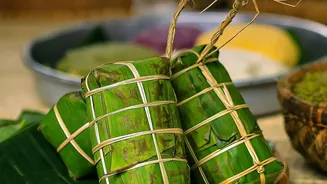
At the heart of this movement is the humble banana leaf. Long used in South Indian and other Asian cultures for serving food, it is being rediscovered as the perfect zero-waste plate. Unlike plastic or styrofoam disposables that pollute landfills for centuries, a banana leaf is completely biodegradable and can be composted after the meal. But its benefits aren't just environmental. The leaf’s waxy surface is naturally waterproof and clean, eliminating the need for detergents. When hot food is placed on it, the leaf releases polyphenols—natural antioxidants also found in green tea—and imparts a subtle, earthy aroma that enhances the flavour of the meal. For hosts, this means offering a unique, traditional, and hygienic dining experience that’s both elegant and eco-friendly.
Championing Regional Produce
Alongside traditional tableware, there is a growing emphasis on using regional and seasonal ingredients. Sourcing produce from local farmers not only reduces the carbon footprint associated with long-distance transportation but also supports local economies. Young hosts are exploring the rich diversity of India's agricultural produce, from different varieties of grains and millets to seasonal vegetables and fruits unique to their region. This approach brings a sense of discovery to the festive menu, introducing guests to authentic flavours they might not encounter otherwise. Planning a menu around what’s fresh and local ensures peak flavour and nutrition, turning the feast into a celebration of the region's culinary heritage.
Smart Menu Planning for Zero Waste
The low-waste philosophy extends to the kitchen, where mindful planning is key to minimising food waste. This starts with estimating the number of guests accurately to avoid over-cooking. Many are also embracing "root-to-stem" or "nose-to-tail" cooking principles, finding creative uses for parts of vegetables that are often discarded. For instance, vegetable peels and scraps can be simmered to create a flavourful stock for gravies, while coriander stems can be ground into chutneys. Leftovers are seen not as a problem, but as an opportunity. A mix of curries from a festive dinner can become a delicious filling for dosas or wraps the next day, ensuring that the bounty of the celebration is fully honoured.
Beyond the Plate: Eco-Friendly Decor
A sustainable feast is about more than just food. The same principles are applied to decorations, with a clear move away from single-use plastics. Instead of plastic garlands and balloons, hosts are using natural and reusable elements. Earthen diyas, fresh flower arrangements using marigolds, and 'torans' made from mango leaves create a festive atmosphere that is both traditional and beautiful. Old sarees are being repurposed as colourful tablecloths, and glass jars are transformed into elegant candle holders. Even invitations are going green, with many opting for digital e-vites to save paper. These thoughtful touches complete the picture of a celebration that is abundant in spirit and gentle on the earth.