





The Quintessential Monsoon Snack: Bhutta
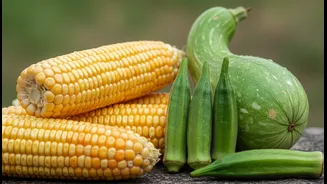
There is hardly a more iconic image of the Indian monsoon than someone enjoying a freshly roasted bhutta, or corn on the cob, from a street vendor. This seasonal experience is a ritual across the country, from bustling city streets to quiet hill stations.
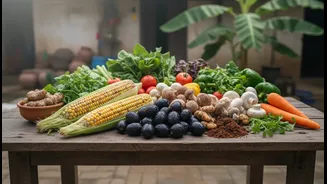
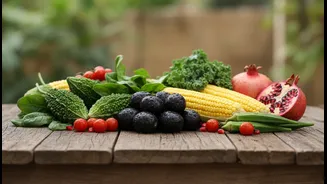
Harvested during the early summer and monsoon months, the corn available now is incredibly fresh, sweet, and packed with flavour. Beyond its comforting, smoky taste—achieved by roasting over hot coals and slathering with lemon, salt, and chilli powder—bhutta is also a sensible choice. It is rich in fibre, which supports gut health, and contains B vitamins and antioxidants. At home, it’s just as easy to enjoy. You can roast it directly on a gas flame, boil it, or turn the kernels into a vibrant corn chaat mixed with chopped onions, tomatoes, and spices.
The Prized Purple Gem: Jamun
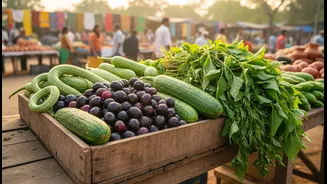
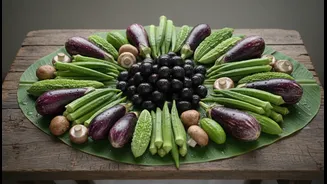
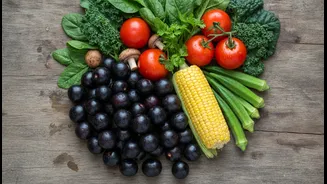
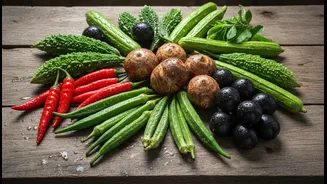
As the rains arrive, so does the jamun, also known as black or Java plum. This small, deep-purple fruit with its distinct sweet and tart flavour is a monsoon treasure. Not only is it delicious, but it's also packed with nutrients that are particularly beneficial during this season, when the risk of infections can be higher. Jamun is an excellent source of Vitamin C and antioxidants called anthocyanins, which help boost immunity and protect the body from damage. Traditionally, it’s also valued for its properties that help in managing blood sugar levels. While many enjoy eating jamun fresh, often sprinkled with a pinch of black salt, it's also wonderfully versatile. You can juice it, blend it into smoothies, or even make a tangy chutney.
The Unique Spiny Gourd: Kantola
Often mistaken for a small, spiky bitter gourd, kantola (or teasel gourd) is a celebrated monsoon vegetable with a much milder taste. Found across India during the rainy season, this green, spiky vegetable has a crunchy texture and absorbs spices beautifully, making it a favourite in many households. It is considered a superfood due to its high nutritional content, including dietary fibre, Vitamin C, iron, and antioxidants, all while being low in calories. This makes it great for digestion and for boosting overall immunity. One of the most popular ways to cook kantola is a simple stir-fry. Sliced and cooked with onions, garlic, and everyday spices, it makes for a delicious and quick sabzi that pairs perfectly with rotis.
The Versatile Green: Colocasia Leaves
Colocasia leaves, known as arbi ke patte in Hindi, are large, heart-shaped greens that are abundant during the monsoon. These leaves are the star of beloved regional snacks like Patra in Gujarat and Alu Vadi in Maharashtra. The preparation involves smearing the leaves with a spiced gram flour (besan) paste, rolling them, and then steaming them before they are sliced and shallow-fried. It’s important to cook these leaves thoroughly, as they can cause irritation if eaten raw. When prepared correctly, they offer a unique taste similar to spinach and are incredibly nutritious. They are a great source of fibre, protein, and essential vitamins and minerals like Vitamin A, Vitamin C, iron, and potassium, which support everything from eye health to immunity.
The Humble Gourd Family: Lauki and Turai
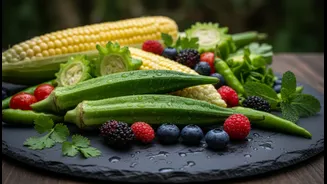
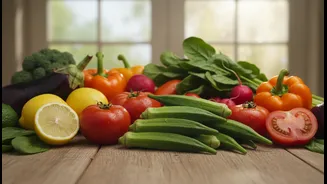
The monsoon brings a variety of gourds to the forefront, with lauki (bottle gourd) and turai (ridge gourd) being among the most common. While they are available for much of the year, they grow vigorously during the rainy season. These vegetables are known for being incredibly light on the stomach and easy to digest, which is a blessing during the humid monsoon months when digestion can sometimes be sluggish. Both lauki and turai have high water content, helping with hydration. They are also rich in dietary fibre. Their mild flavour makes them extremely versatile in the kitchen. They can be added to dals, made into simple sabzis with minimal spices, or even used to make comforting soups—perfect for a rainy evening.