


Embrace the Rhythm of the Seasons
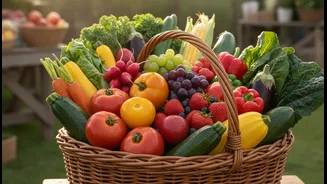
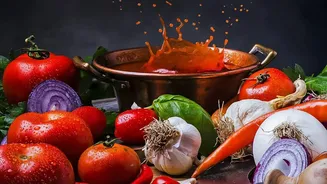
The foundation of any great vegetable dish is the vegetable itself. Eating seasonally ensures you get produce at its peak flavour, highest nutritional value, and lowest cost. India’s diverse climate offers a vibrant palette year-round. Summer (March-June)
brings an abundance of gourds like bottle gourd (lauki), ridge gourd (tori), and bitter gourd (karela), along with pumpkin and cucumber. The monsoon (July-October) is perfect for leafy greens like spinach and amaranth, while winter (November-February) offers hearty vegetables like carrots, cauliflower, peas, and mustard greens. Planning your meals around this natural calendar is the first step to fresher, more flavourful food.
The Transformative Power of the Cut
How you slice a vegetable dramatically affects its taste and texture. A different cut can make a familiar vegetable feel entirely new. The key is to match the cut to the cooking method for uniform cooking. For example, large, irregular chopping is fine for a slow-cooked stew where vegetables will soften completely. A 'julienne', or thin matchstick cut, is perfect for quick stir-fries and salads, providing a pleasant crunch. A fine 'brunoise' dice, about 1/8-inch cubes, is ideal for creating a flavour base in soups or sauces, as the small pieces cook evenly and release their aromas quickly. Meanwhile, cutting vegetables into large cubes or wedges is perfect for roasting, as it allows the surfaces to caramelise while the inside becomes tender.
Beyond the Basic Masala
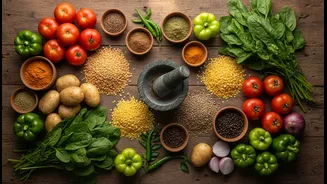
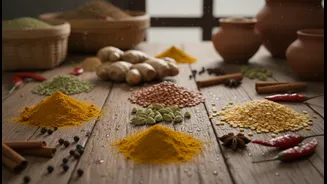
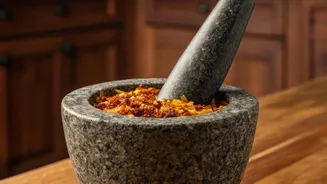
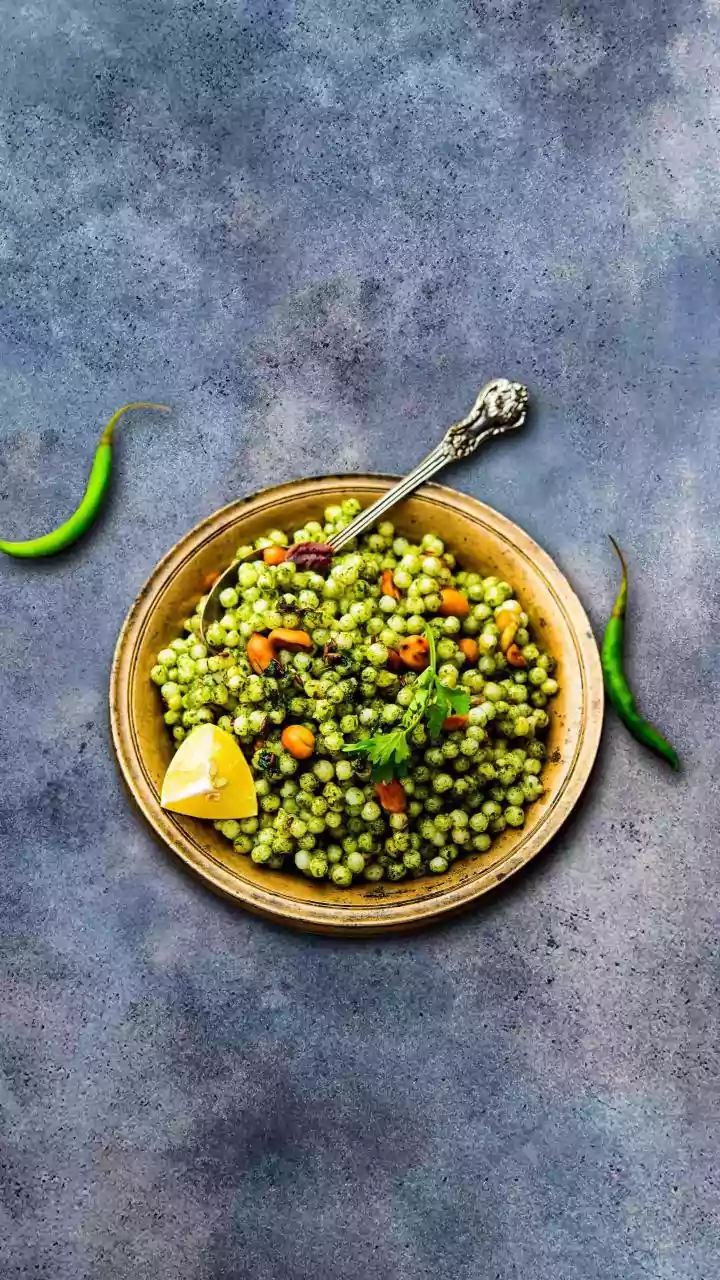
Indian cooking is renowned for its masterful use of spices, but it's easy to fall back on the same few blends. To add variety, think about layering flavours. Start with whole spices bloomed in hot oil—a technique known as tadka. Mustard seeds, cumin seeds, and fennel seeds add a foundational layer of aromatic flavour. Then, introduce ground spices like turmeric, coriander, and chilli powder. Don't forget pungent ingredients like finely minced ginger and garlic, which add a sharp, aromatic bite. Finally, finish with a touch of something sour or fresh. A squeeze of lemon juice, a sprinkle of amchur (dried mango powder), or a handful of fresh coriander can brighten the entire dish. Try pairing earthy cumin with sweet carrots or warming garam masala with lentils for a classic combination.
A Symphony of Textures
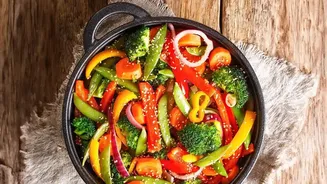
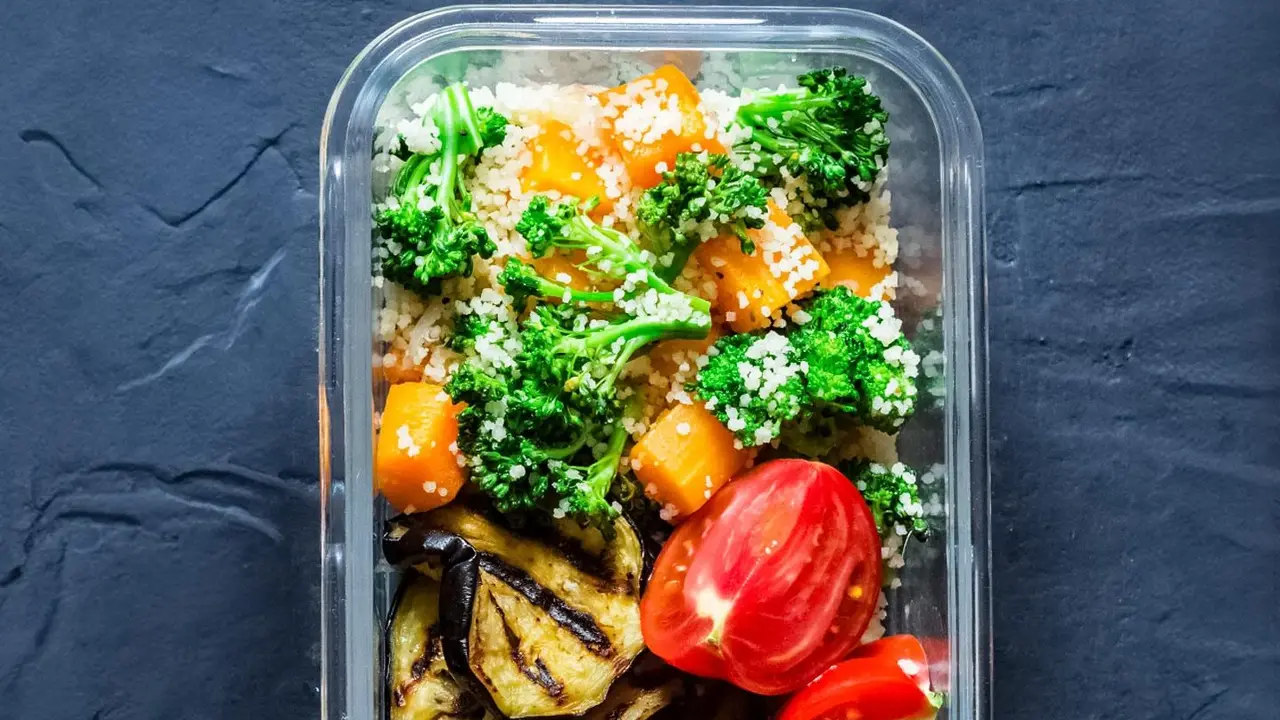
A great meal is a multi-sensory experience, and texture plays a leading role. Different cooking methods are your tools for creating textural contrast. Roasting vegetables like cauliflower, potatoes, and sweet potatoes at a high temperature creates a crispy, caramelised exterior and a soft, fluffy interior. Stir-frying, done quickly in a hot wok, keeps vegetables like bell peppers and beans crisp and vibrant. Steaming is excellent for achieving a tender, delicate texture, perfect for leafy greens or broccoli. Think about creating contrast within a single meal. Pair a smooth, creamy dal with a side of crispy roasted bhindi (okra). Or, add crunchy toasted nuts and seeds to a simple sabzi just before serving. By consciously combining soft, creamy, crisp, and crunchy elements, you make each bite more interesting.
Putting It All Together: The Bottle Gourd Three Ways
Let’s take one humble summer vegetable: bottle gourd (lauki). By changing the cut, seasoning, and texture, you can create three distinct dishes. For a comforting Lauki Chana Dal, dice the gourd into one-inch cubes and simmer it until tender with lentils, turmeric, and garam masala. For a savoury snack, grate the lauki, squeeze out the excess water, and mix it with besan (gram flour) and spices like ajwain and chilli to form koftas, which are then fried to a crispy golden brown. Or, for a quick and modern stir-fry, julienne the bottle gourd into thin strips and toss it in a hot pan with mustard seeds, curry leaves, and a sprinkle of grated coconut for a crunchy, fresh side dish. One vegetable, three completely different experiences.