






More Than Just a Number
The conversation around ageing is often dominated by appearances—wrinkles, grey hair, and skin elasticity. However, a growing body of scientific work is drawing a clear line between how we look and how our bodies are faring on the inside. A recent study
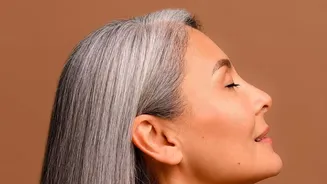
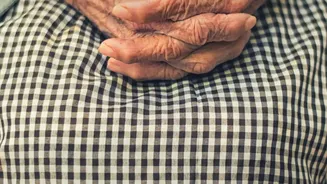
using artificial intelligence to analyse facial images found a significant link between a person's perceived facial age and their overall health. This highlights a crucial distinction between three types of age: chronological, perceived, and biological. Chronological age is simple: it's the number of years you've been alive. Perceived age is how old others think you are based on your appearance. Biological age, however, is the true measure of your health, reflecting how old your cells and organs are at a physiological level.
Understanding Your Biological Age
So, if it’s not about counting candles on a cake, how is biological age measured? Scientists use several methods, and there isn't one single standard yet. One of the most promising is the 'epigenetic clock', which analyses chemical marks on your DNA called methylation. These marks change in predictable ways as we get older and can be influenced by our lifestyle and environment. Other methods include measuring the length of telomeres—protective caps on our chromosomes that shorten with cell division—or analysing a combination of biomarkers in your blood, like cholesterol and inflammation levels. While many direct-to-consumer tests are now available, experts caution that they are still emerging tools for research and not yet a definitive diagnostic verdict on your health.
Why It Matters More Than the Mirror
The reason this distinction is so important is that your biological age is a far better predictor of your long-term health and longevity than your chronological age. Studies have shown that people who appear older than their years may have poorer physical and cognitive functioning. A higher biological age is linked to increased risks of chronic conditions such as cardiovascular disease, diabetes, and even dementia. Conversely, having a biological age that is younger than your chronological age suggests your body is in a healthier state, with more robust cellular function. This shifts the goal from simply 'looking younger' to being fundamentally healthier, which in turn helps you lead a more active and vibrant life for longer.
Can You Turn Back Your Biological Clock?
Here's the empowering part: while you can't stop your chronological age from increasing, your biological age is surprisingly malleable. Research consistently shows that lifestyle choices have a powerful impact. Regular exercise, which combines both strength training and cardiovascular activity, is a cornerstone for slowing cellular ageing. Diet also plays a massive role. A Mediterranean-style diet, rich in vegetables, fruits, whole grains, and healthy fats, has been shown to reduce inflammation and support a younger biological age. Other critical factors include getting enough quality sleep, managing stress effectively, and avoiding habits like smoking and excessive alcohol consumption. These aren't revolutionary ideas, but understanding their direct impact on our cellular health provides a powerful new motivation.