





The 'Sayonara Tax' Triples
Japan’s International Tourist Tax, often nicknamed the 'Sayonara Tax', has seen a significant increase. As of July 1, 2026, the fee levied on all travellers leaving the country was tripled from 1,000 yen to 3,000 yen. This departure tax applies to both
international visitors and Japanese nationals, whether they are leaving by air or sea. The good news for travellers is that there's no need to queue up at a special counter at the airport; the tax is automatically included in the price of your airline or cruise ticket. This change brings Japan’s departure fee more in line with similar taxes in other tourist-heavy nations. Anyone who booked their tickets before the July 1 deadline is exempt from the higher rate for their trip.
Why the Sudden Increase?
The decision to raise the exit tax is directly linked to Japan’s booming tourism industry and the challenges that come with it. With visitor numbers hitting record highs, the government aims to use the additional revenue to combat the negative effects of 'overtourism'. The funds, projected to increase from roughly 50 billion yen to over 120 billion yen annually, are earmarked for several key areas. These include enhancing tourism infrastructure, improving the capacity of airports and ports to handle more visitors, and promoting travel to lesser-known rural destinations to distribute tourist traffic more evenly across the country.
Budgeting Beyond the Exit Tax
The exit tax is just one of many costs that can catch travellers by surprise. A successful Japan budget accounts for the small, often-overlooked expenses that accumulate quickly. Accommodation taxes, for instance, are charged per person, per night in major cities like Tokyo and Kyoto and are not always included in the price you see on booking websites. Similarly, while a Japan Rail Pass is a great investment, it may not cover fees for reserved seats on certain Shinkansen (bullet train) services, which can add a significant amount to your journey's cost. Planning for these extras is essential for a stress-free trip.
The Daily Costs That Add Up
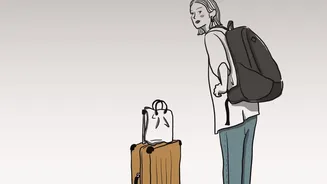
In Japan, convenience comes at a price that can slowly drain your wallet if you aren't mindful. Daily spending on drinks from the ubiquitous vending machines and snacks from world-class convenience stores like FamilyMart or 7-Eleven can easily add up. At some traditional pubs (izakaya), you'll find a compulsory appetizer and cover charge, known as 'otoshi', added to your bill. Furthermore, while Japan is highly modern, cash is still king in many smaller restaurants, shops, and temples. Factoring in ATM withdrawal fees and having enough yen on hand is crucial. Finally, consider coin lockers at train stations (300-800 yen) or luggage forwarding services (2,000-3,000 yen per bag) if your travel itinerary involves moving between cities before hotel check-in times.
A Smarter Plan for Your Trip
To avoid post-trip budget shock, adopt a more comprehensive approach to planning. Start by building a buffer of 15-20% into your daily budget for miscellaneous expenses. Use a travel-planning app to track these small purchases in real time. Research specific train routes to see if seat reservations are necessary and pre-calculate those fees. Look up the specific accommodation taxes for the cities you are visiting. By anticipating these 'hidden' costs, from the 3,000 yen Sayonara Tax to your daily can of coffee, you can spend less time worrying about money and more time immersing yourself in the incredible experience of being in Japan.