


Gourds: The Monsoon Essentials
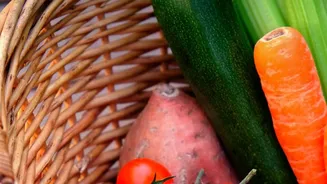
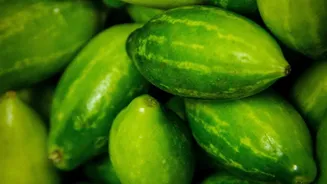
Vegetables like bottle gourd (lauki), ridge gourd (turai), and snake gourd are staples during the monsoon for good reason. They are light on the stomach, easy to digest, and have high water content, which helps in hydration. Traditionally, Ayurveda suggests
that digestion is weaker during the monsoon, making these vegetables an ideal choice. They are incredibly versatile, finding their way into simple curries, soups, and even desserts like lauki halwa, often prepared without onion or garlic to adhere to sattvic principles. Gourds are packed with essential nutrients and fibre, supporting overall wellness during a season when the body is more susceptible to infections.
Jamun (Java Plum): The Immunity Booster
This deep-purple fruit is a quintessential monsoon delight. Jamun, or the Indian blackberry, is celebrated for its numerous health benefits. It is low in calories and rich in iron, potassium, and vitamins, making it a powerful food for managing health. Its astringent properties are beneficial, and it's particularly noted for its role in managing blood sugar levels. During Shravan, when fasting can sometimes affect energy, including fruits like Jamun provides natural sugars and vital nutrients to keep you going.
Pears (Nashpati): The Fibre-Rich Fruit
Pears make their appearance during the rainy season and are an excellent addition to your fruit basket. They are packed with dietary fibre, which aids digestion and promotes a feeling of fullness, a helpful attribute when observing fasts. Pears are also a great source of Vitamin C, a crucial nutrient for strengthening the immune system, which is particularly important during the monsoon to ward off common colds and infections. Enjoy them fresh and crisp for a hydrating and nutritious snack.
Sweet Potato (Ratali): The Fasting Favourite
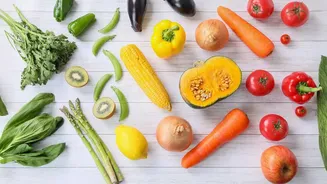
A root vegetable that is both filling and nutritious, sweet potato or Ratali is a fasting essential during Shravan. It is a complex carbohydrate that provides sustained energy, preventing the slumps that can come with simple, sugary foods. Rich in vitamins and fibre, it can be boiled, roasted, or made into a simple sabzi with rock salt (sendha namak) and a squeeze of lemon. Its natural sweetness also helps curb cravings for processed sweets, making it a wholesome and satisfying option for any meal of the day.
Corn (Bhutta): The Roadside Snack
No monsoon experience is complete without a roasted corn on the cob, seasoned with salt and lemon. Corn, a kharif crop harvested during this season, is not just a nostalgic snack but also a nutritious one. It offers a good amount of dietary fibre and essential minerals. While often enjoyed on its own, corn can also be added to salads or light dishes. It’s a comforting and healthy way to enjoy the flavours of the season.
Leafy Greens: A Note of Caution
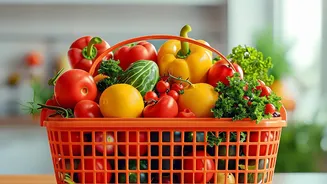
While leafy greens like spinach are highly nutritious, the monsoon season requires extra care. Due to the increased humidity and moisture, greens can be more susceptible to housing mud, germs, and insects. Traditional wisdom and Ayurvedic practices often suggest reducing the intake of leafy vegetables during this period. If you do choose to eat them, it is crucial to wash them thoroughly in clean water and cook them well to minimize any health risks.
Peaches and Plums: Juicy Delights
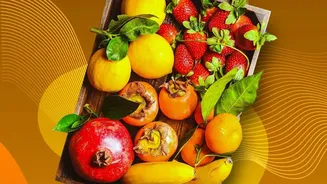
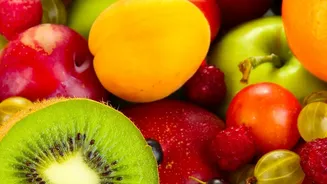
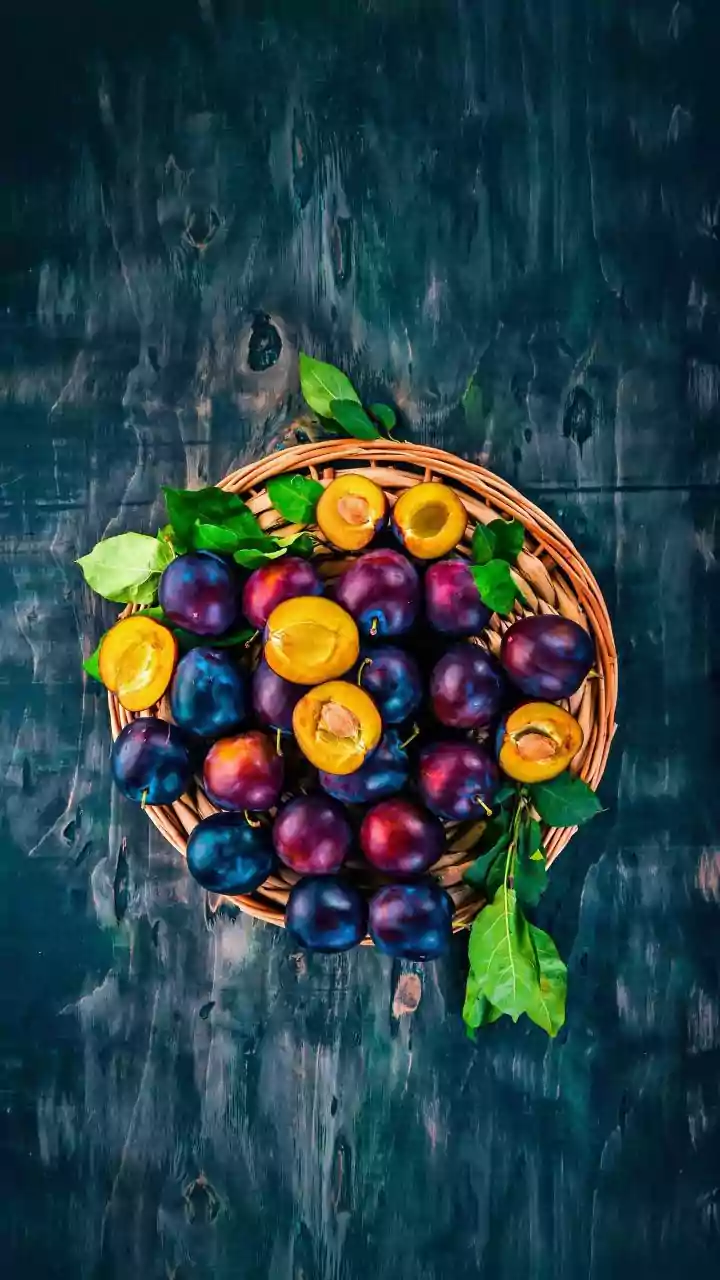
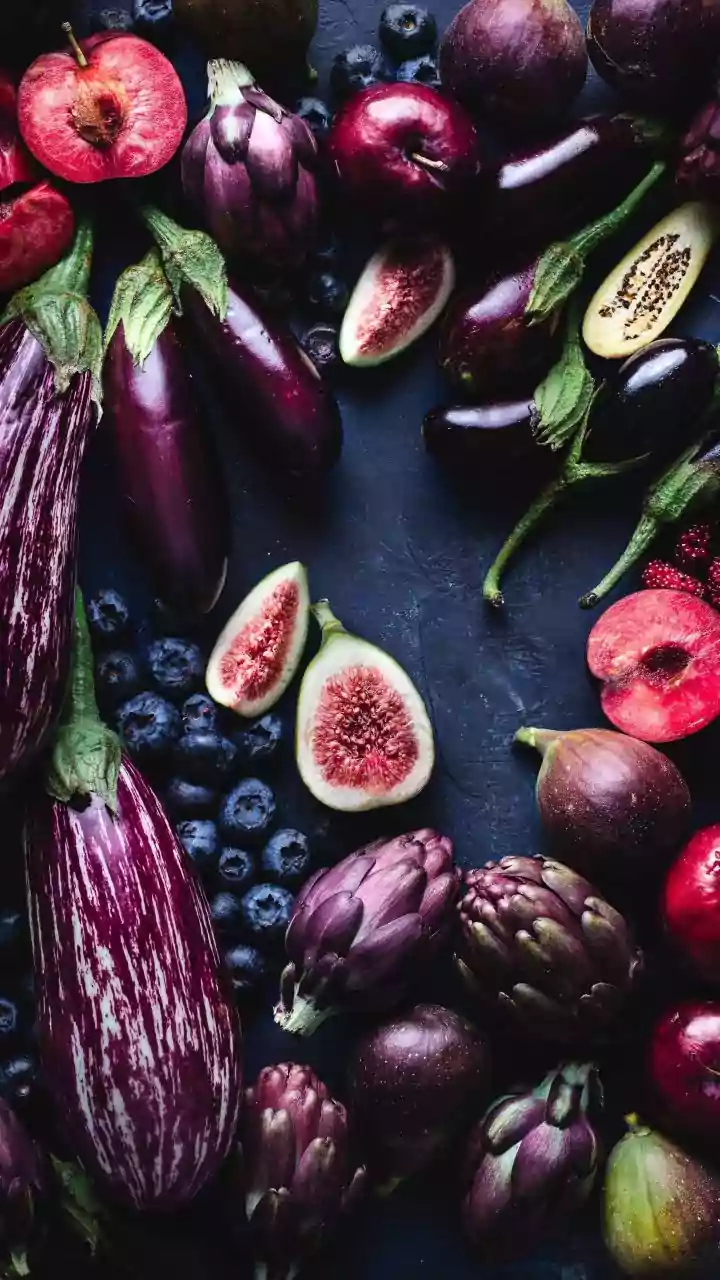
The tail end of summer and the beginning of the monsoon bring an abundance of stone fruits like peaches and plums. These juicy fruits are loaded with antioxidants, vitamins, and minerals. Peaches are great for skin health and provide a good dose of Vitamin C, while plums are known for their digestive benefits. They are a delicious way to add variety and a burst of flavour to your Shravan diet, eaten fresh or added to yogurt and desserts.