

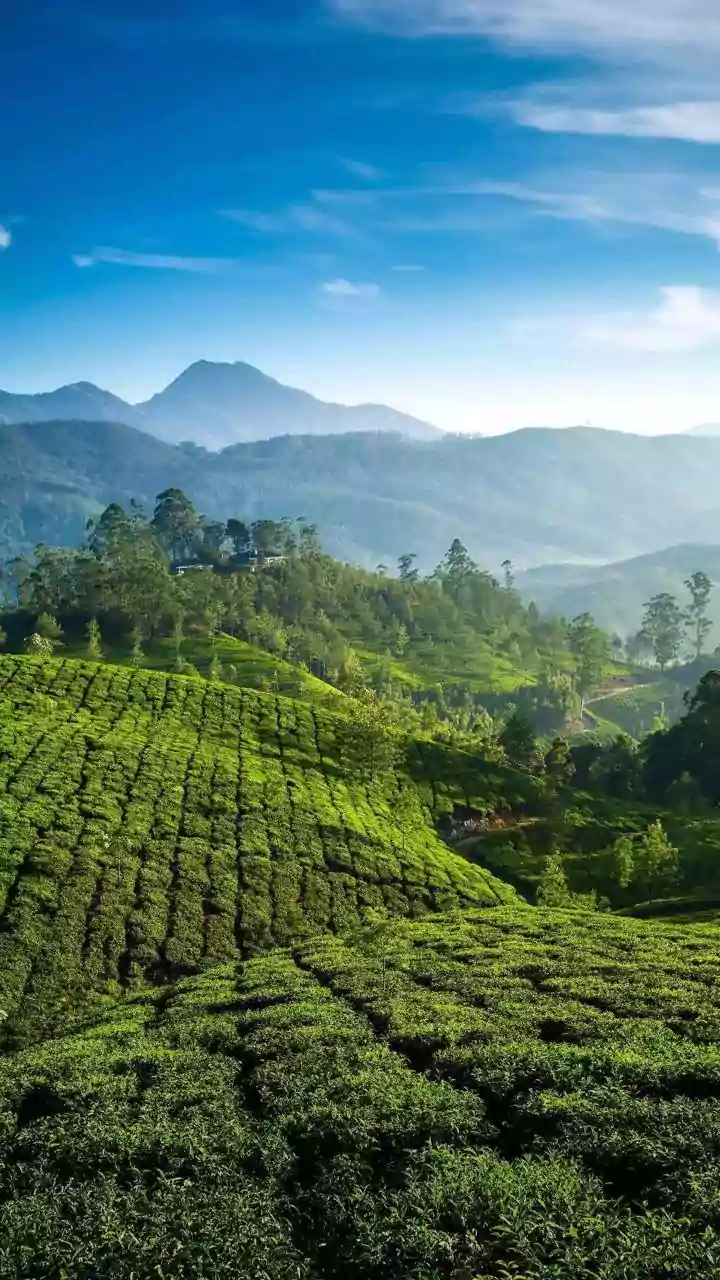




More Than Just Mountains
For centuries, the Western Ghats have been seen as a physical barrier that intercepts moisture-laden winds from the Arabian Sea, forcing them to rise and release their rain. While true, this is only part of the story. Recent studies, including significant
work from institutions like IIT Bombay, have shifted the focus to the forests themselves, treating them not as passive backdrops but as active participants in creating weather. These studies use advanced climate models to simulate what happens to rainfall patterns when the dense vegetation of the Ghats is altered or removed, providing a stark picture of their importance.
How Trees Make Rain
The connection between forests and rain is rooted in a process called evapotranspiration. Think of it as trees breathing. They draw enormous amounts of water from the ground through their roots and release it as water vapour into the atmosphere through their leaves. This process adds a significant amount of moisture to the air. In a region like the Western Ghats, this localised moisture source is vital. It essentially 'seeds' the air, making it more likely that clouds will form and precipitation will occur, not just in the immediate vicinity but also further inland. One study highlighted that evapotranspiration from the Western Ghats can account for a quarter of the rainfall over peninsular India. Without this constant recycling of moisture by forests, the air is drier and less capable of producing rain.
The Alarming Findings for Kerala
Research focusing on Kerala and its neighbouring states has produced some startling figures. A 2022 study highlighted a 12.65% loss of forest cover in the region over two decades, which coincided with rising temperatures. Another landmark study from IIT Bombay found that the dense vegetation in the Western Ghats could contribute 25-40% of the moisture for southwest monsoon rainfall in Tamil Nadu. During dry or deficit monsoon years, this contribution can soar to as high as 50%. When researchers modelled the removal of this forest cover, they found it could decrease rainfall over the state by a staggering 40-50% during those critical dry years. This suggests that as forests shrink, regions become more vulnerable to drought, as a key local source of atmospheric moisture is switched off.
A Tale of Two Rains
The impact of deforestation isn't just about receiving less rain; it's about how that rain arrives. Healthy forests tend to promote more regular, gentler rainfall. The loss of forest cover is increasingly linked to more erratic and extreme weather events. Instead of consistent showers that recharge groundwater, regions may experience long dry spells broken by sudden, intense downpours. These deluges overwhelm the landscape, leading to flash floods and, in hilly regions like Kerala's Wayanad district, devastating landslides. A 2024 analysis by World Weather Attribution noted that while climate change made the rainfall that triggered the Wayanad landslides more intense, a 62% reduction in local forest cover may have also increased the slopes' susceptibility.
Forests as Critical Infrastructure
The collective message from these studies is clear: forests are not merely a resource to be exploited but are a form of critical, living infrastructure. They are integral to India's water security, agricultural stability, and resilience against climate change. The research from Kerala and the wider Western Ghats region provides a powerful, data-driven argument that protecting and restoring these vital ecosystems is not a choice but a necessity. The health of the forest canopy is directly linked to the reliability of the monsoon, the flow of rivers, and the prevention of natural disasters.