

A New Wave of Conscious Travel
Meghalaya, the “abode of clouds,” is known for its breathtaking landscapes, living root bridges, and pristine rivers. But even this remote paradise is not immune to the global issue of plastic pollution. In response, a growing movement in the state is transforming
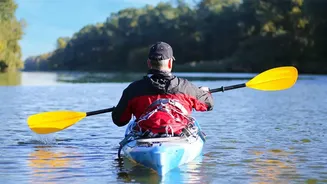
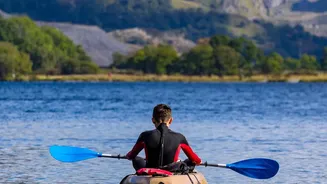
the travel experience. Local tour operators and community-led groups are now offering scenic river kayaking trips with a powerful twist: they encourage visitors to actively participate in cleaning the waterways. This blend of adventure and environmental stewardship, sometimes called 'plogging' (a portmanteau of paddling and jogging for litter), turns a simple holiday into a meaningful act of conservation, allowing travellers to leave a destination better than they found it.
The Crystal-Clear Classroom
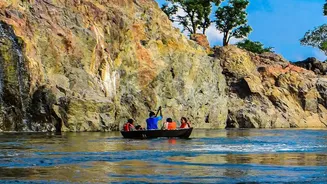
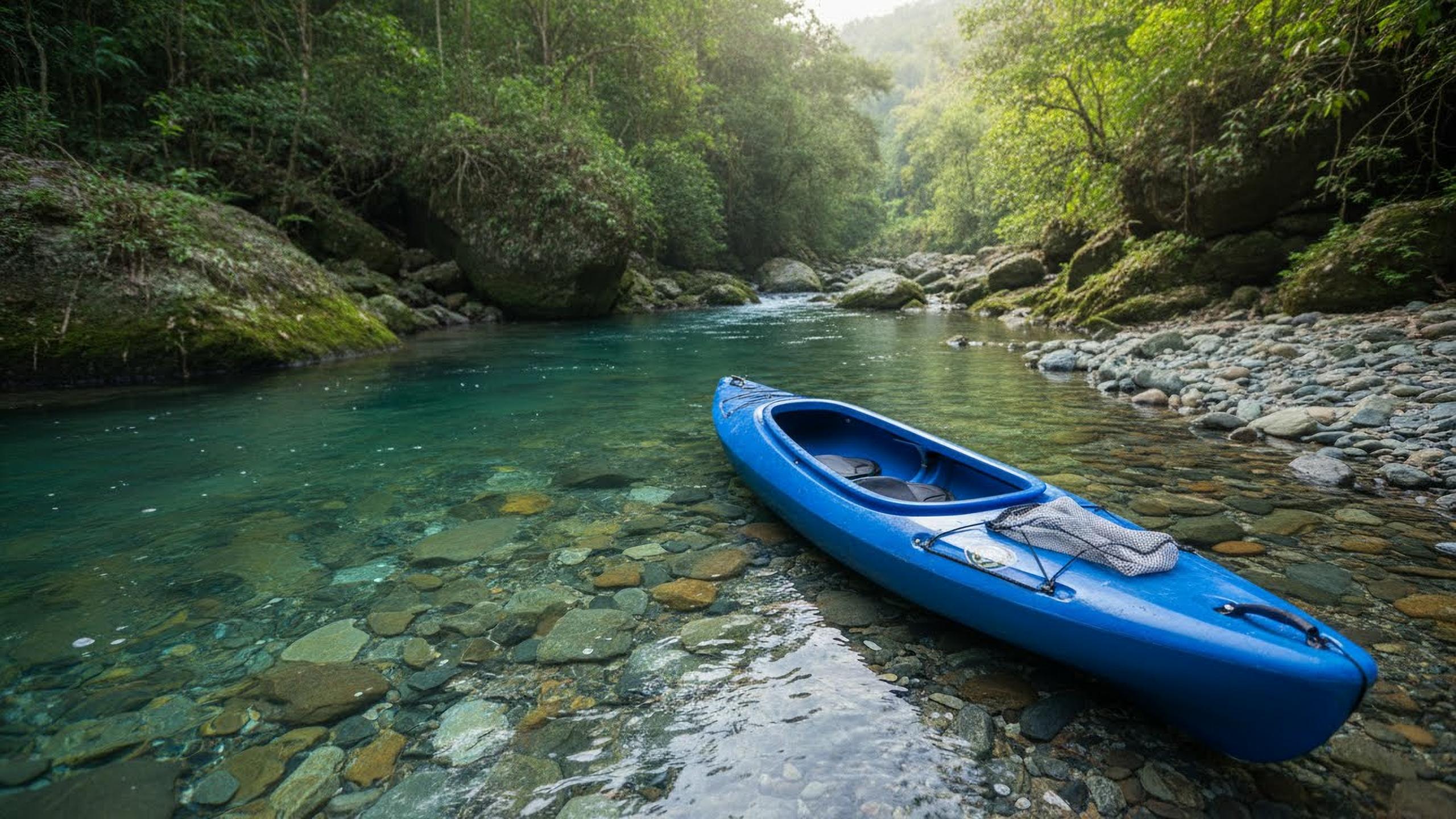
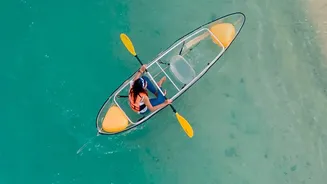
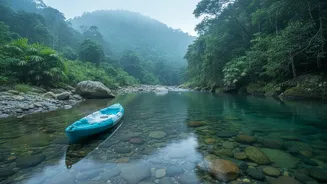
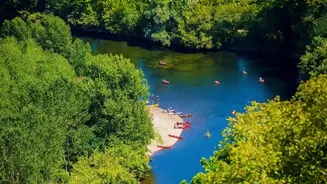
The epicentre of this movement is often the Umngot River in Dawki, a waterway famed for its astonishing transparency. During the peak season, the riverbed is clearly visible, creating the illusion that boats are suspended in the air. This extraordinary clarity makes any stray plastic bottle or wrapper painfully conspicuous, turning the river into a powerful visual lesson on the impact of pollution. While construction and monsoon runoff can temporarily cloud its waters, the local community's commitment to its preservation is unwavering. They have long taken pride in keeping their natural resources clean, and these kayaking initiatives are a modern extension of that deep-rooted respect for nature. Participating in a clean-up here is not just about removing waste; it's about understanding the fragility of even the most seemingly perfect ecosystems.
More Than Just a Paddle
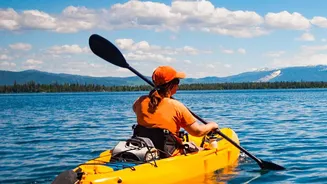
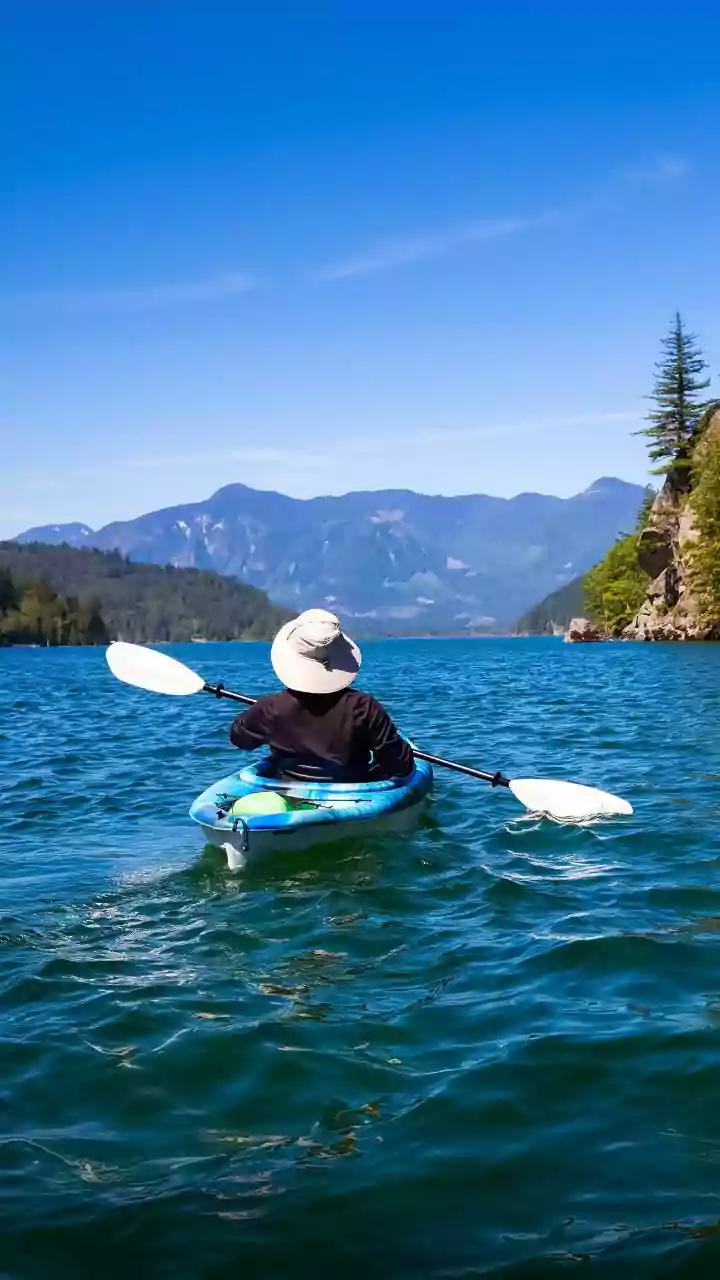
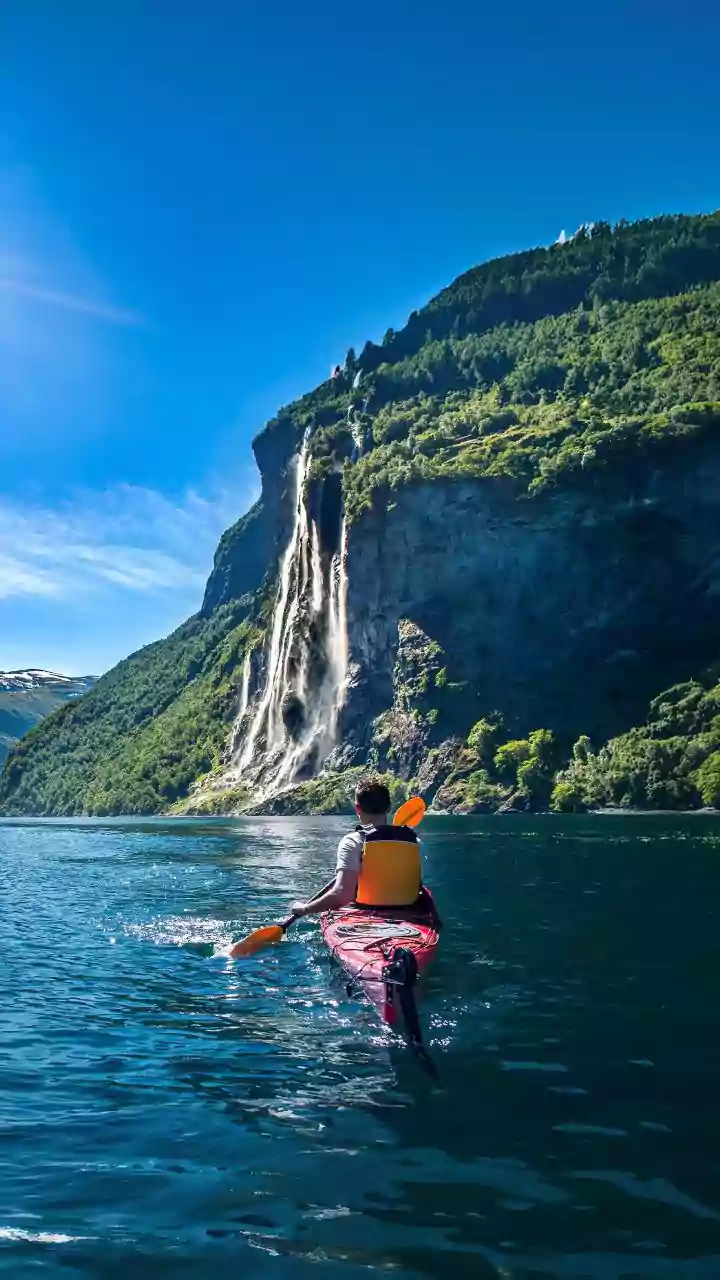
An eco-kayaking trip is far more than a chore. The experience is designed to be an adventure first and foremost. Organisers typically provide all necessary equipment, including kayaks, paddles, life vests, and collection bags for the litter. A day might start with a peaceful paddle through mist-covered hills and lush forests, soaking in the serene environment. As you navigate the calm waters, the guide will point out areas where litter tends to accumulate, often in eddies or along the riverbanks. The process is collaborative and surprisingly rewarding. Every piece of plastic removed from the water is a small, tangible victory. It connects travellers to the location on a deeper level, transforming them from passive observers into active guardians of the environment.
The Ripple Effect of Action
The impact of these initiatives extends far beyond the plastic collected on a single trip. By involving tourists, these outings raise critical awareness about waste management in remote and beautiful areas. They also provide a supplementary income for local guides and communities, reinforcing the economic benefits of a healthy environment. This model of sustainable tourism helps ensure that the financial gains from travel are channelled back into conservation and community empowerment. Furthermore, the state government has shown increasing commitment to tackling pollution through measures like the 'Green Deposit' scheme, where tourists pay a refundable deposit for plastic items they bring in, incentivising them to carry their waste out. These kayaking trips are a grassroots complement to these larger policies, fostering a culture of responsibility among all who visit.
How to Join the Movement
For travellers inspired to make a difference, joining one of these outings is straightforward. Several local adventure companies and eco-tourism groups in the Dawki and Shnongpdeng areas offer these experiences. It's best to research and book with operators who explicitly mention their commitment to community and environmental practices. The ideal time to visit for the clearest water is typically from November to February, after the monsoons have subsided. No special skills are required, as the waters are generally calm and guides provide basic instruction, making it suitable for beginners. Pack light, wear quick-drying clothes, and bring a reusable water bottle. Most importantly, bring an open mind and a willingness to engage, and you’ll be rewarded with one of the most memorable and impactful travel experiences India has to offer.