








Embrace Warm, Cooked Meals
According to Ayurvedic wisdom, the digestive fire, or 'agni', is weaker during the monsoon. The humid weather slows down our digestive system, making it harder to break down heavy meals. This is why it’s best to favour warm, freshly prepared foods over
raw ones. Raw vegetables and salads, while usually healthy, can be harder to digest and carry a higher risk of contamination from microbes that thrive in the damp weather. Opting for steamed or boiled vegetables and warm soups helps preserve nutrients while being gentle on the stomach. A comforting bowl of moong dal khichdi, for instance, is light, easy to digest, and provides essential protein.
The Power of Kitchen Spices
Your spice box is a treasure trove of gut-friendly remedies. Ginger (adrak) is hailed as a 'universal medicine' for its ability to increase digestive juices and reduce nausea and bloating. Turmeric (haldi) is another powerhouse, known for its potent anti-inflammatory properties that soothe the gut. Cumin (jeera) and fennel (saunf) are excellent for reducing gas and indigestion. A simple habit is to chew on a small piece of ginger with rock salt before a meal or sip on warm jeera water throughout the day to keep your digestive system running smoothly.
Incorporate Probiotic Friends
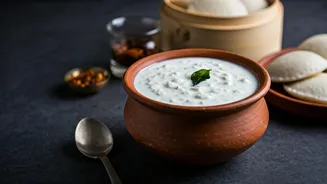
Probiotics are beneficial bacteria that are crucial for a healthy gut microbiome, which can be easily disrupted during the monsoon. Familiar Indian foods are excellent sources. Dahi (yogurt) is one of the best, helping to balance gut flora and boost immunity. Chaas (buttermilk), a lighter alternative, is wonderfully cooling and aids digestion, especially when spiced with a little roasted cumin. Fermented foods like idli and dosa are also rich in probiotics. However, it's important to ensure any dairy products are fresh and consumed during the day, as they can spoil faster in the humid weather.
Choose Light Grains and Gourds
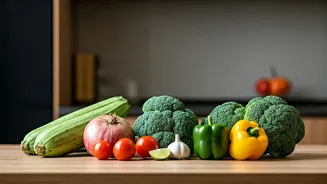
Heavy-to-digest grains and vegetables can overburden a sluggish monsoon digestive system. Instead, turn to lighter options. Old grains like barley and rice are recommended as they are easier on the stomach. When it comes to vegetables, gourds are a perfect choice. Bottle gourd (lauki), ridge gourd (tori), and bitter gourd (karela) are not only light and easy to digest but also have high water content, which aids hydration. They can be prepared as simple curries or added to soups to make a nourishing meal.
Hydrate Wisely with Herbal Teas
While staying hydrated is always important, the source of your fluids matters, especially during the monsoon when water-borne diseases are common. Always drink boiled or filtered water. A great way to boost both hydration and digestion is by sipping on warm herbal teas. Teas infused with ginger, tulsi, cinnamon, or mint can soothe the stomach, reduce inflammation, and help fight off common monsoon colds and coughs. These warm beverages help keep the digestive system active and comfortable.
What to Limit or Avoid
Knowing what not to eat is just as important. It’s wise to be cautious with street food, including chaat and pre-cut fruits, as the risk of contamination is high. Deep-fried and excessively oily snacks like pakoras and samosas can be heavy on the stomach and lead to acidity and bloating. While leafy greens are nutritious, they can harbour dirt and germs during this season, so they should be avoided or washed and cooked very thoroughly. It's also a good idea to limit seafood, as the monsoon is a breeding season, and the risk of contamination increases.