




The Allure of a Monsoon Drive
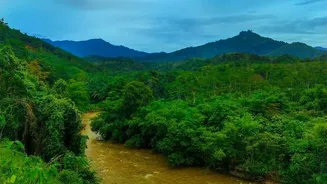
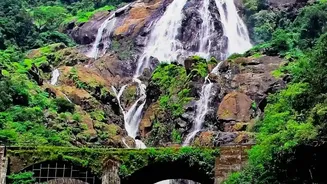
Agumbe transforms during the monsoon months from June to September. The region receives some of the heaviest rainfall in Karnataka, rejuvenating its dense rainforests and feeding spectacular waterfalls like Onake Abbi and Barkana Falls. This spectacle
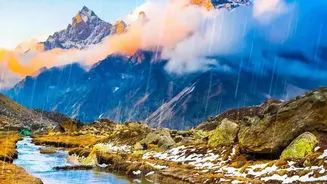
of nature, with clouds kissing the peaks and a constant, mystical drizzle, makes it an irresistible road trip destination for those seeking to witness the Western Ghats in their full, dramatic glory. The drive itself, through winding roads and lush landscapes, is an experience, but the thrill comes with a responsibility to be cautious.
Essential Pre-Drive Vehicle Check
Before you even think of hitting the highway, a thorough vehicle check is non-negotiable. Pay special attention to your tyres; ensure they have deep treads for better grip on slick, mossy roads. Worn-out tyres are a significant risk. Check that your brakes are in perfect condition. Your windshield wipers must be effective at clearing heavy rain, and all your lights—headlights, tail lights, and especially fog lamps—need to be fully functional for the poor visibility conditions you will likely encounter. Also, test your car’s horn, as it's crucial for alerting others on blind hairpin bends.
Navigating the Treacherous Ghats
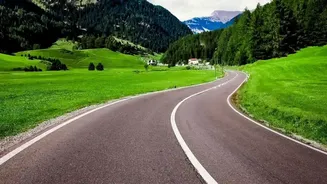
The Agumbe ghat section on NH-169A is known for its sharp hairpin bends, narrow stretches, and steep gradients. During the monsoon, these challenges are amplified. Drive slowly, maintain a safe distance from the vehicle ahead, and always stay in a lower gear (second or third) to maintain control, especially during descents. This technique, known as engine braking, is more effective than relying solely on your brakes, which can be less efficient on wet surfaces. Never overtake on a curve. Honk at every blind turn to announce your presence to oncoming traffic. Be extremely wary of potential landslides and fallen trees, which are common hazards. Local authorities often ban heavy vehicle traffic during peak monsoon to reduce road stress, but cars should still proceed with extreme caution.
Smart Driving and Situational Awareness
Your driving style needs to adapt to the conditions. Avoid sudden braking or acceleration, as this can cause your vehicle to skid. One of the biggest pieces of advice from officials is to avoid driving through the ghats at night. Dense fog and heavy rain can reduce visibility to almost zero, making it incredibly dangerous. Always check the local weather forecast and road advisories before and during your trip. Mobile connectivity can be poor in these remote areas, so downloading offline maps is a sensible precaution. Be prepared for unexpected delays due to waterlogging or roadblocks.
Your Monsoon Emergency Kit
Getting stranded is a real possibility, so pack an emergency kit. This should include a well-stocked first-aid kit, a powerful torch with extra batteries, a fully charged power bank, and extra food and drinking water. Waterproof gear, including jackets and proper footwear with good grip, is essential. It is also wise to carry a tyre inflator kit and a tow cable, as repair shops are scarce in these remote parts. Insect repellent is also recommended, as leeches are common in the damp forests.