




The Great Safari Misconception
Many travellers, especially those new to wildlife tourism in India, logically assume that booking a stay at a jungle resort or hotel near a national park automatically includes the safari. After all, why else would one be there? Some hotels even offer
'safari packages', reinforcing this belief. However, this assumption often leads to profound disappointment. The reality is that your hotel room key is not a ticket into the wild. The systems governing park entry and accommodation are almost always entirely separate, and understanding this difference is the first step to planning a successful trip.
Why Hotels and Safaris Are Separate
India's national parks and tiger reserves are government-protected areas managed by the state's Forest Department. The department strictly controls access to protect the ecosystem and manage tourist flow. It does this by issuing a limited number of safari permits for each entry zone and for specific time slots (usually morning and evening). Private hotels, even the most luxurious lodges bordering the park, have no direct control over this inventory. They are in the business of hospitality, not wildlife management. Therefore, securing a safari permit is a transaction with the government, not your hotel.
How to Book Your Safari the Right Way
The most direct and cost-effective way to secure your spot is by booking through the official government-run websites for each specific park. For instance, Ranthambore safaris are booked via the Rajasthan Forest Department portal, while parks in Madhya Pradesh like Kanha and Bandhavgarh use a different state system. These permits are released well in advance—often 90 to 120 days beforehand—and sell out within minutes for popular zones and dates. To book, you will need the full name, age, gender, and a specific government-issued ID number (like an Aadhaar or Passport) for every single person in your group. It is critical that you carry the same original ID with you on the day of the safari for verification at the park gate.
The Role of Hotels and Travel Agents
So, can your hotel help at all? Yes, many hotels and travel agents offer to book safari permits on your behalf. This can be a convenient service, saving you the hassle of navigating sometimes complex government websites. However, they are acting as a facilitator, not the source. They will charge a service fee for this, and the final booking is still subject to the same availability constraints as if you were booking yourself. Be aware that some may have limited expertise or only book for specific, less popular zones. The safest approach is to use them for convenience but to be clear about which zones you want and to ask for confirmation of the permit well in advance. Remember, once booked, these permits are almost always non-refundable and non-transferable.
Your Pre-Safari Planning Checklist
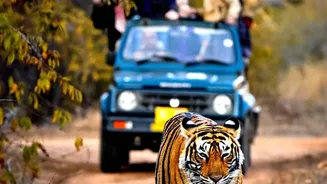
To ensure your wildlife adventure goes off without a hitch, follow this order of operations. First, research the best zones and times to visit for the wildlife you hope to see. Second, book your safari permits via the official portal or a trusted agent as soon as the booking window opens. Third, once your permits are confirmed, book your flights and trains. Fourth, and only then, book your hotel. This sequence ensures the core activity of your trip is secured before you commit to travel and accommodation costs. Also, decide whether you prefer a smaller, more intimate Jeep safari (typically for up to 6 people) or a larger, more budget-friendly Canter safari (a 20-seater open bus).