


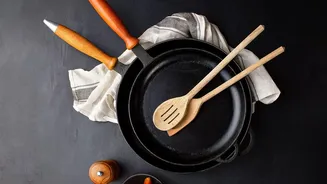
The Myth of the Multitasking Chef
We often romanticize the image of a chef effortlessly managing a symphony of pots and pans. This vision of culinary prowess suggests that more activity equals a better meal. But for the home cook, this approach often leads to more stress than success.
Juggling multiple cooking processes simultaneously can create kitchen chaos, turning a potentially joyful activity into a frantic race against time. Instead of producing a harmonious meal, you end up with a pile of dishes and frayed nerves. The truth is, you don't need a professional-grade kitchen with six burners to create something delicious. In fact, relying on fewer tools forces a more thoughtful and organized approach, encouraging better planning from the start.
Finding Creativity Through Constraint
Psychological studies have shown that constraints can be a powerful catalyst for creativity. When faced with limitless options, the brain can feel overwhelmed, often leading to predictable choices. However, when you're limited to a single pot or one sheet pan, you're forced to think differently. This limitation isn't a barrier; it's a creative challenge. It pushes you to explore new combinations of ingredients and techniques. You start asking smarter questions: How can I layer these ingredients so they all finish cooking at the same time? What one sauce can tie this entire dish together? This focused problem-solving can lead to innovative and surprisingly delightful meals that you might never have discovered with a full arsenal of cookware at your disposal.
Mastering the One-Pan Meal
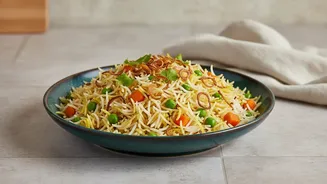
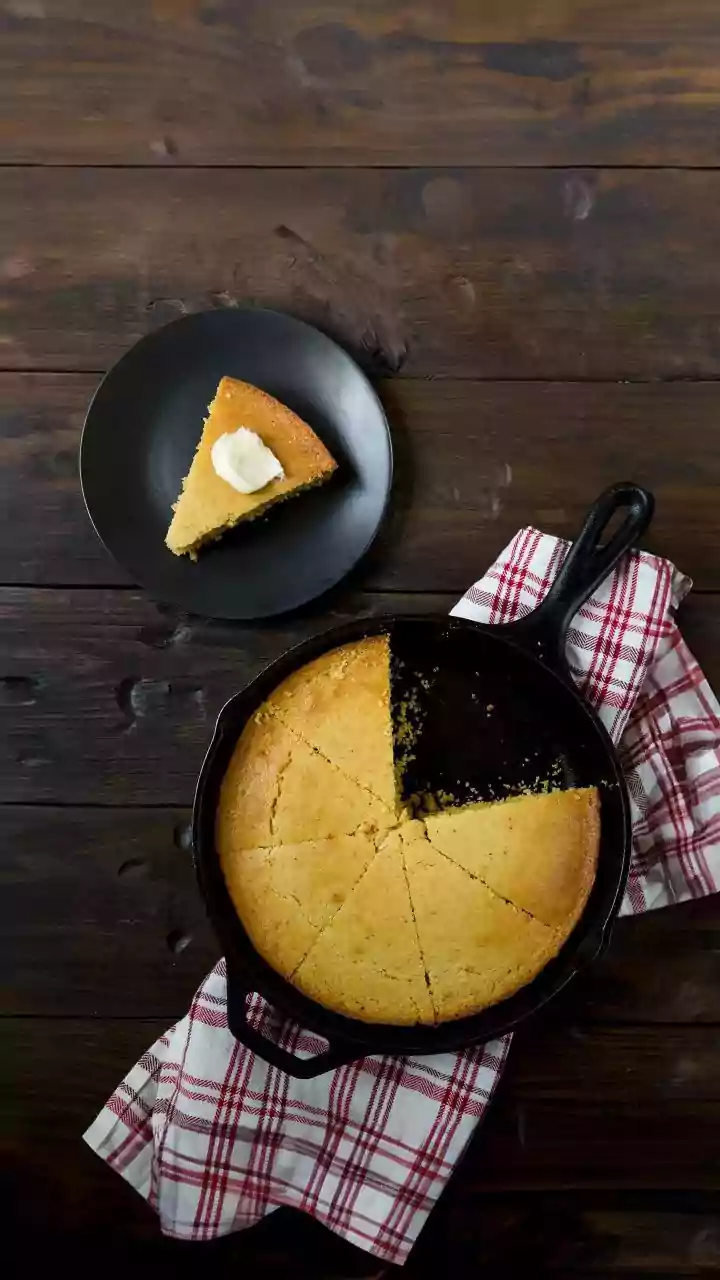
The one-pan meal is the ultimate expression of this philosophy. Whether it's a sheet-pan dinner, a skillet stir-fry, or a one-pot pasta, the beauty lies in its simplicity and efficiency. The key is understanding how to layer flavors and textures. For a sheet-pan meal, start with heartier ingredients like potatoes or root vegetables that need more time, then add quicker-cooking items like chicken, fish, or tender greens partway through. One-pot pastas, where the noodles cook directly in the sauce, are another game-changer, creating a starchy, flavourful base with minimal effort. These methods are not just about convenience; they allow flavors to meld together in a way that separate cooking processes can't replicate, all while drastically cutting down on active cooking and cleaning time.
Embracing a Slower, More Mindful Pace
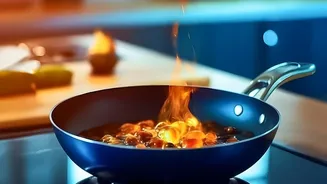
When you're not rushing to manage four different pans, you can slow down and truly engage with the cooking process. A single burner or pot demands your full attention, but in a relaxed way. You can focus on the sizzle of onions in a pan, the aroma of garlic hitting the oil, and the gradual transformation of ingredients. This mindful approach turns cooking from a chore into a sensory experience. It reduces the mental load and allows you to be present in the moment. This slower pace not only makes the process more enjoyable but can also lead to better results, as you're more attuned to the needs of the dish—tasting and adjusting as you go.
Less Cleanup, More Connection
Perhaps the most celebrated benefit of simplified cooking is the one that comes after the meal: less cleaning. A mountain of greasy pots and pans can quickly extinguish the warm glow of a shared dinner. By limiting yourself to one or two pieces of cookware, you reclaim valuable post-dinner time. This isn't just about avoiding a tedious chore. It's about creating more space for what truly matters—conversation, connection, and relaxation. The goal of cooking for others, or even just for yourself, is ultimately nourishment and enjoyment. When you spend less time scrubbing and more time savoring, you're fulfilling that goal far more effectively.