








The Case for Cotton: A Breathable Classic
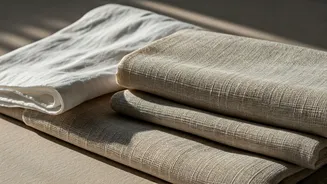
For generations, cotton has been the go-to fabric for Indian weather. Its biggest advantage is breathability. When the air is thick with humidity, lightweight cotton allows air to circulate, helping to keep you cool. It's soft, natural, and gentle on the skin,
making it a comfortable choice for everyday wear, especially for those with sensitive skin. In dry heat, it's an undisputed champion. But the monsoon isn't dry heat. Cotton is hydrophilic, meaning it loves water. It can absorb up to 27 times its own weight in moisture. Once it gets wet from a sudden downpour or from sweat, it holds that moisture, becoming heavy, clingy, and taking a very long time to dry in humid conditions.
The Rise of Quick-Dry: The Modern Contender
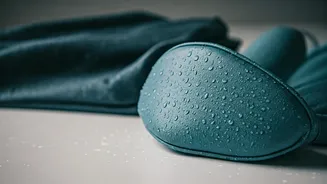
Quick-dry fabrics are typically made from synthetic fibres like polyester or nylon. Unlike cotton, these materials are hydrophobic—they repel water. Instead of absorbing moisture, they pull it away from the skin through a process called wicking and spread it across the fabric's surface, allowing it to evaporate quickly. This is their superpower. Even in high humidity, where evaporation is slow, their ability to move moisture away from the body prevents that sticky, soaked feeling. A polyester shirt might dry in an hour or two, while a cotton equivalent could stay damp for the better part of a day.
The Drying Time Duel: A Clear Winner
When it comes to drying time, there is no contest: quick-dry fabric is the hands-down winner. A lightweight polyester or nylon garment can dry in a fraction of the time it takes for a cotton one, even with high atmospheric humidity. This is a massive advantage during the monsoon, whether you're caught in an unexpected shower on your commute or trying to get laundry dry indoors. A damp cotton shirt not only feels uncomfortable but can also develop a musty smell from mildew if it doesn't dry properly. Quick-dry fabrics, by their nature, are less prone to this issue because they spend less time being wet.
Health and Hygiene: Avoiding Monsoon Maladies
The choice of fabric has real health implications during the rainy season. The warm, damp environment created by wet clothes pressed against the skin is an ideal breeding ground for fungi and bacteria. Wearing damp cotton for prolonged periods can lead to skin irritation, chafing, and fungal infections like ringworm. Because quick-dry fabrics move moisture away from the skin and dry rapidly, they significantly reduce this risk. Keeping skin as dry as possible is crucial for preventing common monsoon skin issues, giving a major point to the synthetic contenders in this round.
The Comfort and Style Verdict
Here's where the decision gets personal. While quick-dry fabrics are functionally superior in wet conditions, some people find synthetics like polyester less breathable and comfortable against the skin compared to natural cotton. Poorly designed synthetics can trap heat and feel stuffy. Cotton, for all its flaws in the rain, feels soft and airy when dry. The ultimate solution for many is a compromise. For commuting or when heavy rain is expected, polyester or nylon is the smart, practical choice. For relaxing at home or on a less humid, drizzly day, fine cotton is still a great option. Many brands now also offer cotton-polyester blends, which aim to provide the best of both worlds: some of cotton’s softness with the moisture-wicking and quick-drying properties of polyester.