




The Return of the Centrepiece
After years of minimalist dominance, the mood in interior design is shifting. Homes are becoming spaces for personal expression, and the sofa has reclaimed its role as the heart of the living room. The trend for 2026 leans into pieces that do more than
just offer a place to sit; they define the entire atmosphere. This revival isn't about chasing fleeting fads but about investing in a centrepiece that reflects your taste. Designers are championing organic shapes, rich textures, and bold silhouettes that provide visual comfort and serve as a focal point. A vibrant sofa can energize a room, but its success depends on a thoughtful approach that considers every element of its design.
Texture Is the New Colour
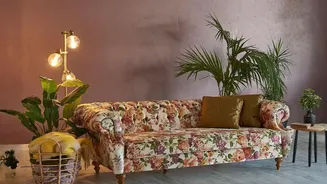
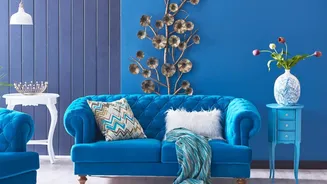
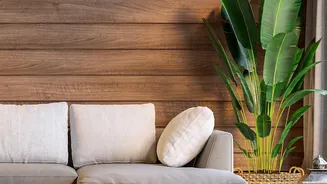
While a striking hue gets the initial attention, texture is what gives a sofa its soul and staying power. The way a fabric feels to the touch and reflects light can have a more profound impact on a room's comfort and character than its colour alone. In 2026, tactile materials are paramount. Bouclé, with its looped, nubby weave, offers a sense of cosy luxury and has become a hallmark of high-end contemporary design. Velvet remains a popular choice for its rich, dynamic sheen that shifts with the light, adding instant depth to jewel tones and pastels alike. For a more relaxed, natural feel, linen and linen-blends provide a breathable, sophisticated texture that gets softer with age, making them ideal for warmer climates. These materials invite you to experience the furniture, not just look at it.
Shape, Silhouette, and Scale
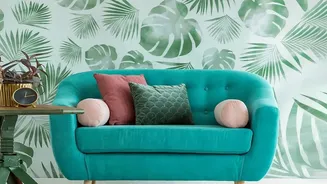
The form of your sofa dictates the flow and feel of your entire living space. The 2026 trends show a strong preference for organic and sculptural shapes over rigid, straight lines. Curved sofas, for instance, can soften a room's architecture and encourage conversation by changing the dynamic of the space. Low-profile silhouettes create a lighter, more open feel by not obstructing sightlines, while modular designs offer the ultimate flexibility, allowing you to reconfigure your layout as your needs change. Before falling for a colour, consider the scale. A sofa must fit your room without overwhelming it or looking comically small. Measure your space, including doorways and pathways, to ensure your chosen piece complements the room's proportions.
Context and Cohesion Are Key
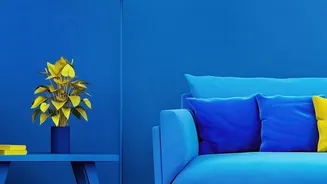
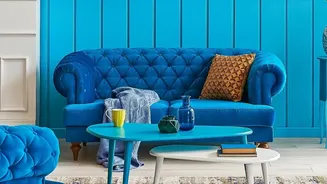
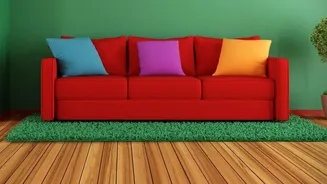
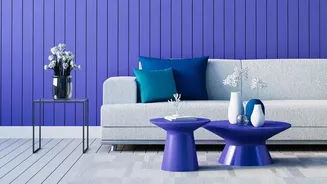
A bold sofa doesn't exist in a vacuum; it needs to harmonise with its surroundings. The most successful designs use the sofa as an anchor within a balanced colour palette. If you opt for a sofa in a saturated colour like emerald green or sapphire blue, consider pairing it with neutral walls and flooring to let it be the star. You can then pull secondary colours from the sofa into smaller accents like cushions, throws, or artwork to create a cohesive look. Contrast is also a powerful tool. A richly textured sofa, like one in chenille or tweed, pairs beautifully with smoother surfaces like a sleek wood coffee table or a metal floor lamp. The goal is to create a dialogue between the different elements in your room, not a shouting match.
Functionality First, Always
A beautiful sofa that doesn't fit your lifestyle is ultimately a failed design. Practicality should be a primary concern, not an afterthought. Think honestly about how you use your living room. If you have children or pets, a delicate silk velvet or pure linen might be a source of constant stress. Instead, look to modern performance fabrics. Many of today's synthetic options, like performance velvet or solution-dyed polyester, offer incredible stain resistance and durability without sacrificing style or a luxurious feel. They mimic the look of natural fibres while being easy to clean. Before you commit, always request a fabric swatch. Live with it in your room, see it in different lighting, and test its durability. A sofa is a long-term investment in your daily comfort.