






First, Pick Your Perfect Season
Forget stressing about the “perfect” week. The Himalayas have two main, glorious windows for visitors: spring (March to May) and autumn (September to November). Both seasons offer clear skies, pleasant weather, and spectacular views. Spring sees the landscape
come alive with blooming flowers, while autumn offers crisp air and vibrant post-monsoon greenery. Summer, from June to August, can be ideal for high-altitude desert regions like Ladakh and Spiti, which are shielded from the main monsoon rains. Winter is for snow lovers and serious trekkers. Simply choose the season that appeals to you most and lock it in.
Choose Your Vibe, Not Just a Place
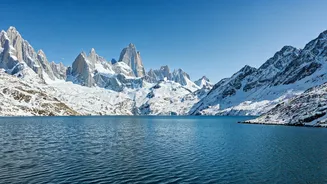
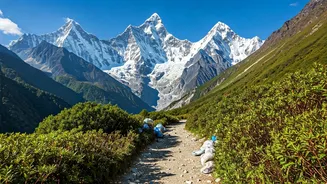
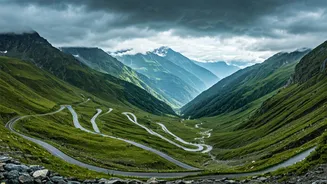
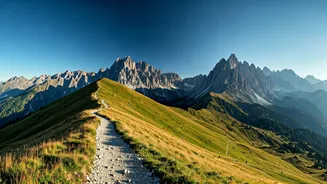
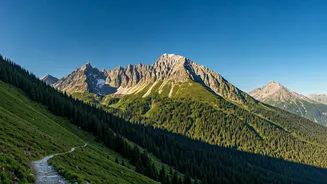
Instead of getting lost in a sea of destination names, think about the experience you want. Are you seeking spiritual solace, gentle walks with stunning views, or a family-friendly holiday? For a relaxing trip without strenuous trekking, consider drive-to destinations like Kalpa or Chitkul in Himachal Pradesh, which offer incredible views of snow-capped peaks from your window. For a mix of culture and scenery, places like Almora in Uttarakhand or McLeod Ganj near Dharamshala are excellent choices. If you're a beginner wanting to try a short trek, routes like Triund are perfect introductions. Focus on one region—like Himachal, Uttarakhand, or Sikkim—rather than trying to see everything. This will make your trip more relaxing and immersive.
Embrace the 'Less is More' Itinerary
The biggest mistake is over-scheduling. The mountains demand a slower pace. A typical trip of 7-10 days is perfect for exploring one region. Crucially, if you are heading to high-altitude areas like Ladakh, you must factor in acclimatisation days. This means spending at least a day or two at your arrival city, like Leh, doing very little to let your body adjust to the altitude before venturing higher. Listen to your body, stay hydrated, and don't rush. The goal isn't to tick off a list but to soak in the atmosphere. A good itinerary has buffer days for unexpected weather changes or simply for spontaneous moments of peace.
Pack Smart, Not Heavy
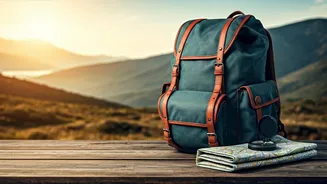
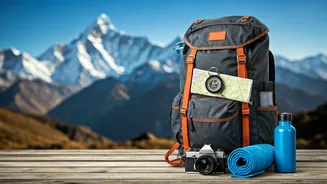
You don’t need an expedition's worth of gear. The key is layering. Your core packing list should include: thermal base layers, a fleece or insulated mid-layer, and a waterproof outer jacket. Add a few quick-dry t-shirts and a pair of comfortable trekking pants. Sturdy, waterproof trekking shoes with good ankle support are non-negotiable. Beyond that, essentials include UV-protective sunglasses, high-SPF sunscreen, a warm hat, gloves, and a few pairs of woolen socks. Don’t forget a reusable water bottle, a power bank, and a basic first-aid kit with any personal medications. That’s it. You're ready.
To DIY or Not to DIY?
For a first-timer, booking with a reputable local travel agency can remove a lot of stress. They handle permits, transport, and accommodation, allowing you to simply enjoy the journey. Many companies offer flexible itineraries that you can customize. However, if you're sticking to popular, well-connected towns, planning it yourself is entirely feasible. Flights and hotels can be booked online. For ground transport, you can hire cars with drivers locally. The choice depends on your comfort level. A hybrid approach also works: book your main flights and first few nights of accommodation, then arrange local excursions on the ground.