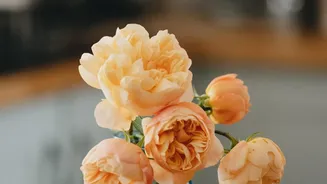




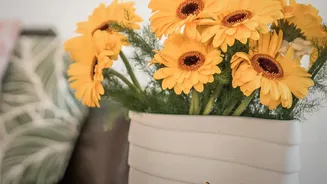
Choosing Your Canvas
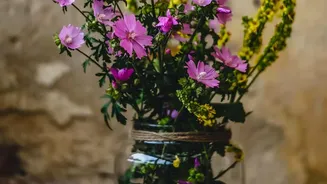
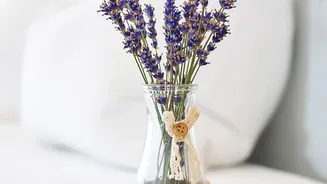
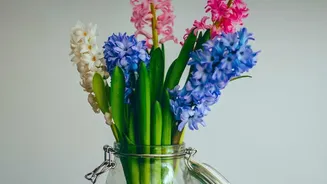
The first step is to look at your recyclables with a fresh perspective. Glass jars from sauces, pickles, or coffee are classic choices, offering a clear and sturdy base. Wine, beer, and other glass bottles provide elegant shapes, perfect for single stems
or small bouquets. Don't limit yourself to glass; tin cans can offer a rustic or industrial look, while old ceramic pitchers, teacups, and even plastic bottles can be transformed into charming vessels. The key is to see the shape and potential, not just the previous contents.
The Essential Prep Work
Proper preparation is non-negotiable for a lasting result. Begin by washing your container thoroughly with hot, soapy water. To remove stubborn labels, soak the container in warm water; if sticky residue remains, a paste of baking soda and oil can help lift it off. For any lingering odours, especially in jars that held pickles or garlic, a rinse with a mixture of baking soda and water or a soak in vinegar and water can work wonders. Finally, wipe the outside with alcohol to remove any grease, ensuring a clean surface for decoration. A pristine surface is crucial for paint or glue to adhere properly.
Painting Your Masterpiece
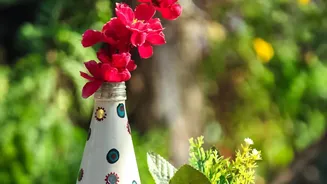
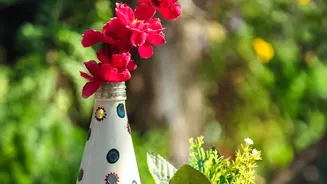
Paint is one of the easiest ways to completely transform a container. Since glass is a smooth, non-porous surface, not just any paint will do. Hybrid acrylic paints designed for multiple surfaces are an excellent choice as they adhere well to glass. Chalk paint is another popular option for achieving a trendy, matte finish that resembles ceramic or terracotta. For best results, apply the paint in two to three thin, even coats, allowing each coat to dry completely before applying the next. If you plan to put water inside, only paint the exterior. For extra durability, especially if the vase will be handled often, consider adding a coat of clear sealant or varnish once the paint has fully cured.
Creative Decorating Techniques
If painting isn't your style, there are countless other ways to decorate. Wrapping a jar or bottle with twine, yarn, or ribbon can create a rustic, cosy feel. Fabric scraps can be applied with decoupage glue for a colourful, patterned effect. For a textured look, you can mix baking soda into acrylic paint, which creates a thick, clay-like consistency that adds depth and visual interest. You can also use stencils to create intricate patterns or glue on materials like beads, lace, or even pistachio shells for a unique 3D design.
Beyond Traditional Containers
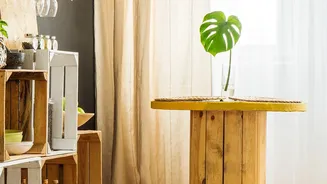
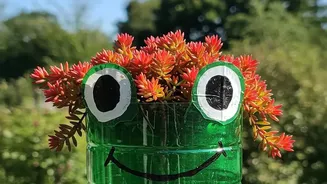
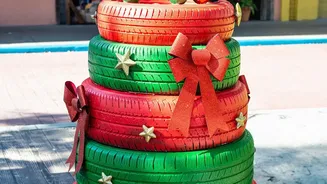
Thinking outside the box can lead to some truly unique creations. Old toolboxes, mailboxes, and even wheelbarrows can be repurposed into larger, statement planters for a rustic garden display. Plastic bottles can be cut and painted to resemble whimsical animals. Even a collection of smaller items, like probiotic yoghurt bottles, can be grouped and belted together to form a multi-stem bud vase. The goal is to find objects with interesting shapes and the capacity to hold water, or to place a smaller waterproof container inside a more decorative, non-waterproof one.