
Understanding the Real Enemy
Before diving into solutions, it is crucial to know what you are up against. Root rot is a disease that occurs when a plant's roots are deprived of oxygen because they are sitting in waterlogged soil. While overwatering is a major contributor, the direct
cause is often fungal pathogens that thrive in these wet, airless conditions. These fungi attack the roots, turning them from firm and white to brown, mushy, and smelly. Once the roots decay, they can no longer absorb water and nutrients, leading to a plant that looks wilted and starved even when the soil is wet. The key to prevention is not just watering less, but creating an environment where water never has a chance to stagnate.
Choose Your Pot Wisely
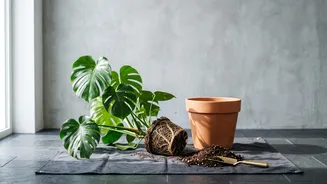
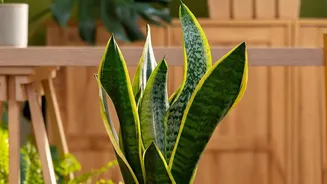
Your plant’s container is the first line of defence against root rot. The most important feature is a drainage hole—this is non-negotiable for most houseplants. Without an exit, excess water pools at the bottom, suffocating the roots. If you have a decorative pot without a hole, use it as a 'cachepot'. Simply keep your plant in its plastic nursery pot (which has holes) and place it inside the decorative one, making sure to tip out any excess water after watering. The pot's material also matters. Porous materials like terracotta wick moisture out of the soil, making them excellent for plants that prefer to dry out, such as succulents and snake plants. Glazed ceramic and plastic pots retain more moisture, which can be suitable for thirsty plants, but require more careful watering.
Create a Well-Draining Soil Mix
Standard potting soil straight from the bag is often too dense for many indoor plants, holding onto water for too long. You can dramatically improve drainage by creating your own lighter, airier mix. The goal is to increase aeration, which allows water to flow through and roots to breathe. Simply amend your regular potting soil with materials like perlite (the small white volcanic rocks), pumice, or coarse sand. A good starting ratio for most common houseplants like Pothos and Philodendrons is roughly two parts potting mix to one part perlite or pumice. For succulents and cacti, you will want an even grittier mix with more sand or pumice to ensure the soil dries out quickly. This small step prevents soil compaction and gives roots the oxygen they need to thrive.
Water Smarter, Not Harder
The most common mistake is watering on a rigid schedule instead of checking what the plant actually needs. The best way to know when to water is the 'finger test'. Stick your finger one to two inches into the soil. If it feels dry, it is time to water. If it is still damp, wait a few more days. When you do water, do it thoroughly. Pour water over the entire soil surface until it runs freely from the drainage hole. This ensures all the roots get a drink. The crucial final step is to let the pot drain completely and discard any water that collects in the saucer. Allowing a pot to sit in a saucer full of water completely defeats the purpose of having a drainage hole and is a leading cause of root rot.
Debunking the Gravel Myth
For years, a common piece of advice was to add a layer of gravel or rocks to the bottom of a pot to improve drainage. However, horticultural science has shown this is not only ineffective but can make things worse. Instead of helping water drain out, the gravel layer creates what is known as a 'perched water table'. This means the water sits in the soil just above the rocks, effectively raising the waterlogged zone and bringing it closer to the plant's delicate roots. This creates the exact swampy conditions you are trying to avoid. So, skip the gravel and instead focus on what truly works: a pot with drainage holes and a well-aerated soil mix from top to bottom.