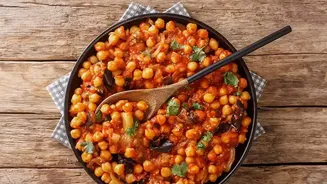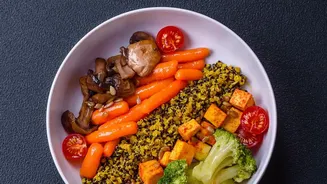

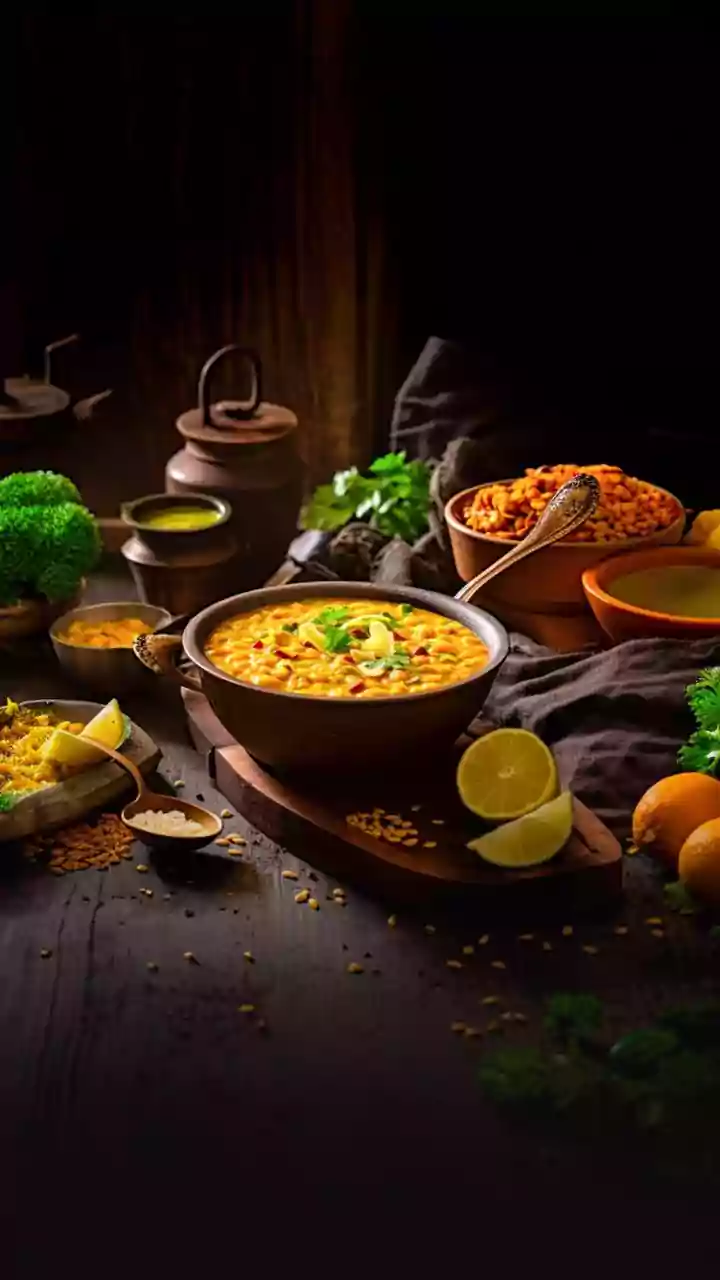

For decades, vegetarians have been told to combine pulses and grains at every meal to create a 'complete protein'. But is this nutritional rule still relevant, or is it an outdated myth? Let’s unravel the science behind protein combining.
The Great Protein Combining Myth
Let's clear this
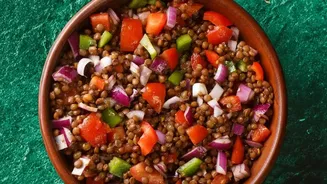
up straight away: the long-standing advice that you must eat pulses and grains together in the same meal is a myth. This idea was popularised in the 1970s and has shown remarkable staying power, but modern nutritional science has moved on. The theory was that since most plant foods are 'incomplete' proteins (meaning they are low in one or more essential amino acids), you needed to pair them up at every meal to get the full set. However, our bodies are much smarter than we give them credit for. They maintain a reserve pool of amino acids throughout the day. So, if you eat lentils (a pulse) for lunch and a slice of whole-wheat bread (a grain) as an evening snack, your body can pull from this pool to create the complete proteins it needs. The pressure to perfectly pair proteins at every single meal is officially off.
Amino Acids: The Building Blocks of Protein
To understand why this myth existed, it helps to know a little about protein itself. Proteins are made of building blocks called amino acids. There are 20 different types, nine of which are 'essential amino acids'—our bodies can't make them, so we must get them from food. Animal products like meat, eggs, and dairy are considered 'complete' proteins because they contain all nine essential amino acids in sufficient amounts. Most plant foods, on the other hand, are considered 'incomplete'. For example, pulses like beans and lentils are typically lower in the amino acid methionine, while grains like rice and wheat are lower in lysine. This doesn't mean they are devoid of these amino acids, just that the amounts are low. The key is variety. As long as you eat a varied diet, you will easily get all the essential amino acids your body requires over the course of a day.
Why Pairing Still Makes Perfect Sense
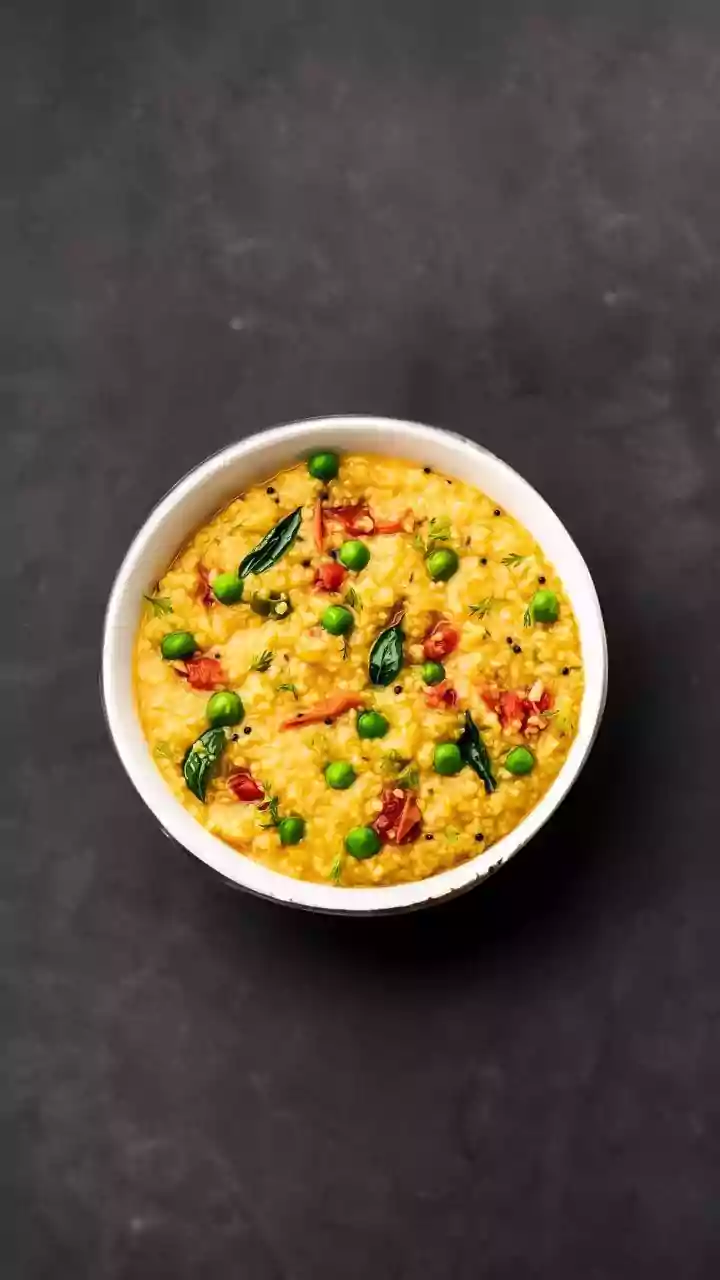
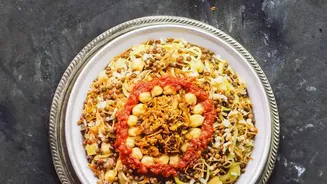
Just because you don't have to combine pulses and grains at every meal doesn't mean you shouldn't. In fact, it remains one of the most effective, time-tested strategies for building a nutritionally powerful vegetarian diet. The combination is nutritionally complementary. The lysine that grains lack, pulses provide in abundance. The methionine that pulses are low in, grains have plenty of. Together, they create a protein profile that is very high quality. This is why so many traditional meals from around the world are naturally based on this pairing. Think of Indian staples like rajma-chawal (kidney beans with rice) or khichdi (lentils and rice), a Mexican burrito with beans and a tortilla, or a simple bowl of lentil soup with a slice of whole-grain bread. These combinations are not just delicious and comforting; they are rooted in sound nutritional synergy.
Power-Packed Lunch Combinations
Putting this into practice for lunch is both easy and delicious. The goal is to create a meal that is satisfying and keeps you energised. Here are some simple, high-protein lunch ideas that master the pulse-and-grain partnership:
Classic Dal and Rice: A comforting bowl of lentil or split-pea dal served with brown or white rice is a perfectly balanced meal. It's easy to make in a batch and pack for a few days.
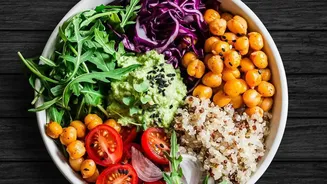
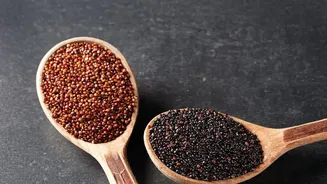
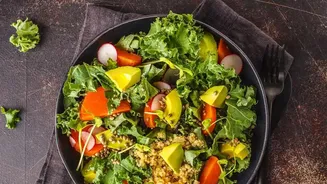
Chickpea and Quinoa Salad: Toss cooked chickpeas and quinoa with chopped cucumber, tomatoes, and a lemon-herb dressing. Quinoa is one of the few plant foods that is a complete protein on its own, making this a nutritional powerhouse.
Bean and Corn Chili: A hearty chili made with kidney beans, black beans, and corn, served with a side of multigrain bread or over a bed of brown rice, is a fantastic winter warmer.
Hummus and Pita Platter: Creamy hummus (made from chickpeas) served with whole-wheat pita bread and a side of vegetable sticks is a quick, no-cook lunch that delivers on protein and fibre.
* Smashed Chickpea Sandwich: Mash chickpeas with Greek yogurt or a vegan mayonnaise, some celery and dill, and serve between two slices of whole_grain bread for a vegetarian take on a classic salad sandwich.