






What is a Dark-Sky Reserve?
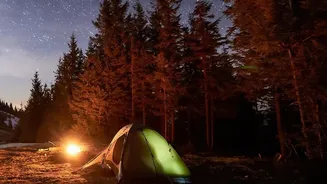
A Dark-Sky Reserve is an area of public or private land with exceptional starry nights that is specifically protected from light pollution. Certified by the global authority DarkSky International, these reserves consist of a dark 'core' area, often a park
or wilderness, and a populated 'periphery' where communities have adopted smart lighting policies. The goal isn't to eliminate all light but to use it wisely—shielding fixtures, using warmer hues, and directing light only where it's needed. This reduces skyglow and preserves the natural darkness that is vital for both scientific observation and ecological balance.
More Than Just a Pretty Sky
The fight against light pollution goes far beyond reclaiming our view of the Milky Way. Artificial light at night is a profound environmental disruptor, impacting wildlife in numerous ways. For nocturnal animals, darkness is essential for survival, providing cover from predators. Artificial light can disorient migratory birds, which navigate by the stars, and lead newly hatched sea turtles away from the ocean to their death. It disrupts the breeding cycles of amphibians and can cause insects to swarm around lamps, making them easy prey and contributing to population decline. By preserving natural darkness, these reserves protect entire ecosystems.
The Rise of Astrotourism
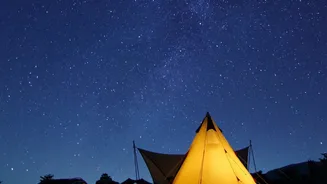
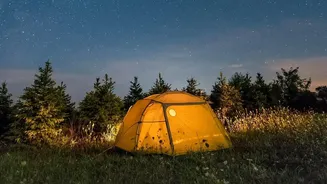
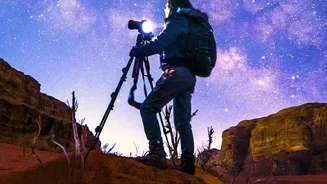
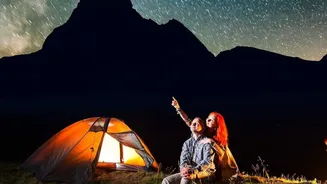
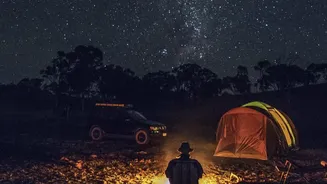
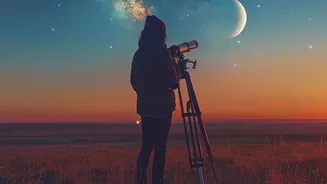
Protecting the night sky has an unexpected and powerful economic benefit: astrotourism. This growing niche of eco-tourism attracts travellers who journey to remote, dark locations for stargazing, photography, and to connect with the cosmos. Unlike many forms of tourism, astrotourism often requires minimal new infrastructure and thrives in what is typically the off-season, helping to create a year-round economy for local communities. Visitors who come for the stars are likely to stay overnight, spending money on lodging, food, and local guide services, providing a significant boost to the regional economy.
A Sustainable Economic Engine
The economic case for dark skies is compelling. A study of the Colorado Plateau in the US projected that astrotourists would spend $5.8 billion over ten years, supporting over 10,000 jobs annually in the region. This isn't just about tourism; adopting dark-sky friendly lighting is also more energy-efficient, leading to significant cost savings for municipalities. One report found that for every pound spent on dark-sky lighting in a Scottish park, the return on investment from increased tourism was nearly double. This model provides a direct financial incentive for communities to embrace conservation, aligning economic prosperity with environmental protection.
India's Starry Frontier in Hanle
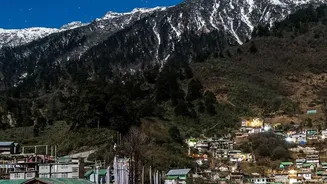
India has its own beacon of hope in the Hanle Dark Sky Reserve, located in the remote Changthang region of Ladakh. Situated at a high altitude with clear, dry skies, Hanle is home to the Indian Astronomical Observatory. The reserve was established to protect this prime location for scientific research while simultaneously developing a sustainable tourism model for the local community. Local villagers are being trained as 'astro-guides' and provided with telescopes, creating new employment opportunities. This initiative empowers the community to become stewards of their unique environment, transforming their pristine dark sky from a simple fact of remote life into a valuable asset for a sustainable future.