




The Cultural Epicentre of the Jaintia Hills
Jowai is more than just the administrative headquarters of the West Jaintia Hills district; it is the cultural and historical pivot of the region. This is the land of the Pnar people, a major sub-tribe of the Khasis, who are known for their unique matrilineal
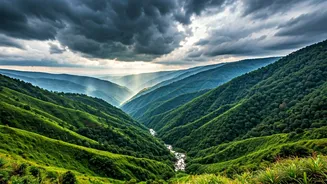
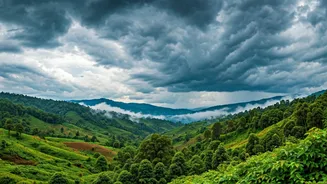
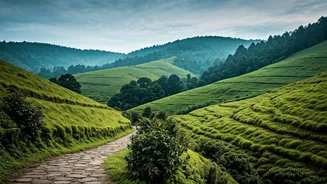
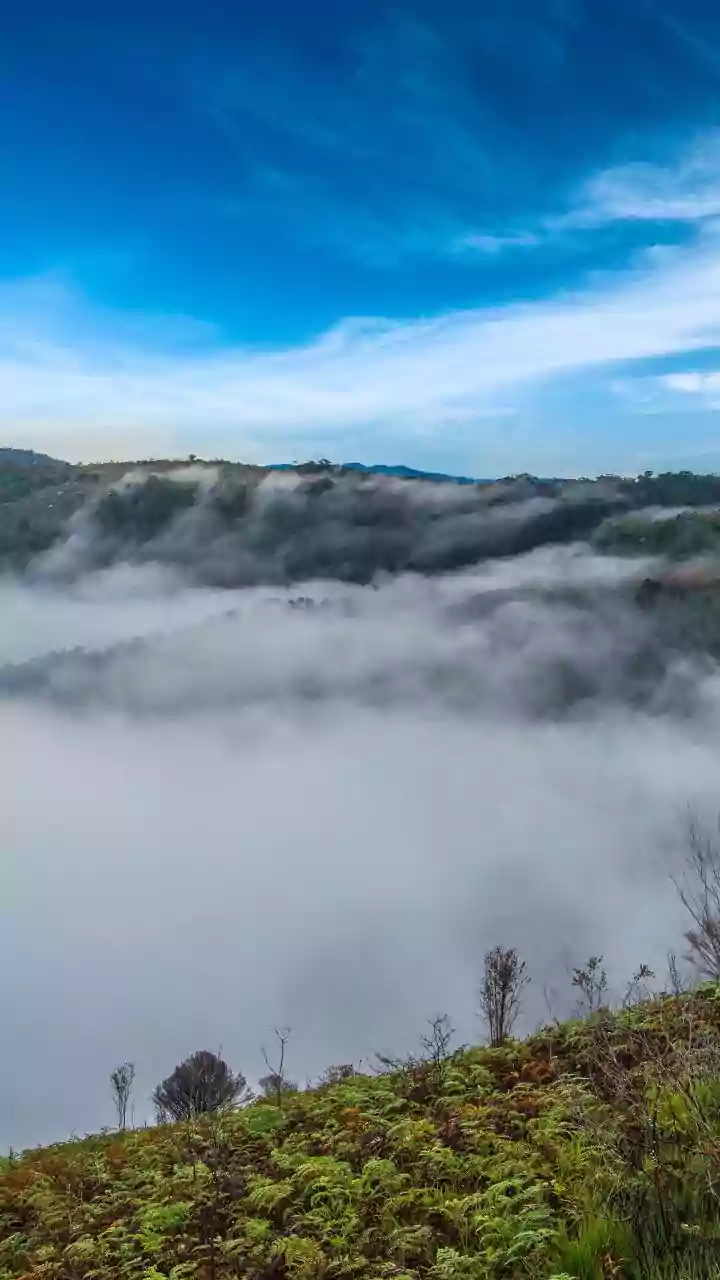
society and rich heritage. Unlike more crowded tourist hubs, Jowai offers a serene environment where ancient traditions remain a vibrant part of daily life. The town itself, perched on a plateau and encircled by the winding Myntdu River, serves as the perfect base for exploring a culture deeply connected to its natural surroundings. It’s a place where history isn’t just in museums but is etched into the very landscape.
Behdeinkhlam: A Festival to Chase Away Evil
Arguably the most powerful display of Pnar culture is the Behdeinkhlam festival, celebrated annually in July after the sowing season. The name literally means "to drive away plague with sticks," a ritual that is both a solemn invocation for a bountiful harvest and a spectacular cultural event. For four days, the town of Jowai transforms. Men beat the roofs of every house with bamboo poles in a symbolic cleansing. The festival culminates in a large gathering where towering, decorated structures called 'rots' are brought to a sacred pool. The celebration involves a ritualistic game, similar to football, played with a wooden ball, where the outcome is believed to predict the year's harvest. It's a raw, immersive experience far removed from ticketed commercial events.
The Communal Joy of the Laho Dance
Another cornerstone of Jaintia culture is the Laho dance, also known as the Chipiah Dance. It is a lively, inclusive folk dance that embodies community spirit and joy. Performed during festivals and celebrations, it features a unique formation where a woman typically dances arm-in-arm with two men, swaying to rhythmic chants. What makes the Laho dance particularly special is its accessible and celebratory nature; it is about social interaction and shared happiness. There are no accompanying musical instruments; instead, a lead dancer recites witty couplets to keep the rhythm and energy high, making it a truly communal performance.
A Landscape Whispering History
In the Jaintia Hills, culture and landscape are inseparable. A short drive from Jowai lies Nartiang, home to the largest collection of monoliths in Meghalaya. These massive upright and flat stones, known as menhirs and dolmens, were erected between the 16th and 19th centuries to commemorate Jaintia kings and significant events. The tallest menhir stands at an impressive eight metres, a silent testament to the ingenuity and history of the Pnar kingdom. This 'Garden of Monoliths' is not just an archaeological site but a sacred space that connects the present-day community to their ancestors. Nearby, the 600-year-old Nartiang Durga Temple further highlights the region's layered history, blending indigenous practices with later Hindu influences.
A Taste of Pnar Culture
No cultural exploration is complete without experiencing the local cuisine. The food of the Jaintia people is hearty, flavourful, and deeply tied to the land. While sharing some similarities with wider Khasi cuisine, Jaintia dishes have their own distinct character. Staples include rice, pork, and smoked fish, often prepared with minimal spices to let the natural flavours shine. Key dishes include Doh Khleh (a pork salad), Doh Sniang Nei-Iong (pork cooked with black sesame seeds), and Putharo (a soft, steamed rice cake). Exploring the local markets, like Iaw Musiang in Jowai, offers a chance to see the unique ingredients and taste the authentic flavours of the region.