
The Monsoon Transformation
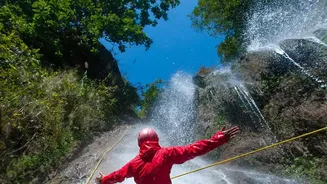
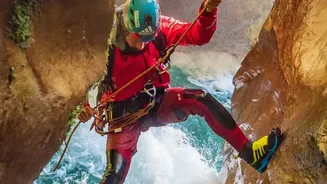
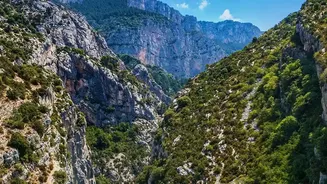
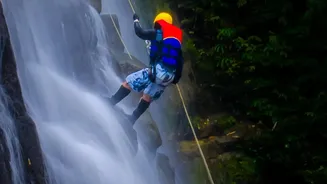
Canyoning, or canyoneering, is the sport of navigating down river canyons using a variety of techniques including walking, scrambling, climbing, jumping, abseiling, and swimming. In the dry season, it is a thrilling adventure. During the monsoon, it becomes
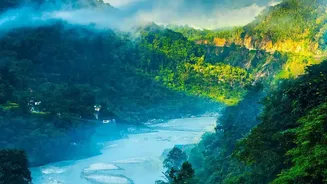
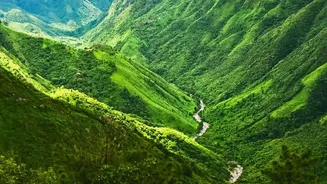
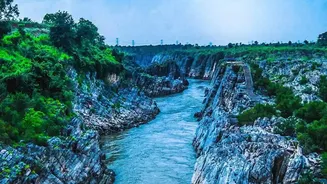
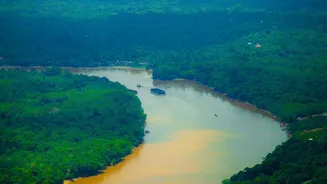
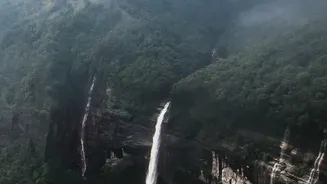
an entirely different beast. Meghalaya receives some of the highest rainfall on Earth, and this immense volume of water is funnelled into its narrow gorges. Rivers swell dramatically, with rainfall sometimes exceeding 300-500mm in a single day. This creates powerful, fast-flowing currents, changes the riverbed's structure, and dramatically increases the risk of flash floods. What was a manageable pool can become a treacherous vortex, and a gentle stream can turn into a raging torrent in minutes.
Essential Personal Gear
Your life depends on your equipment. Do not cut corners. A full wetsuit is non-negotiable to combat hypothermia from prolonged exposure to cold water. A certified climbing or canyoning-specific helmet is crucial to protect against rockfalls and impacts. You will need a proper canyoning harness, which is more durable and designed for wet conditions compared to a standard climbing harness. Your footwear must provide excellent grip on slippery, moss-covered rocks; specialist canyoning shoes or certain types of trainers are far superior to standard hiking boots. Finally, a personal flotation device (PFD) is essential for buoyancy in the powerful, aerated water of monsoon-fed waterfalls and rapids.
Critical Technical Equipment
This gear is for the group, managed by your guide. It includes static or semi-static canyoning ropes, which are designed not to stretch, providing better control during abseils (rappelling). Rope bags are needed to prevent tangles and allow for quick deployment. A collection of carabiners, slings, and webbing is necessary for setting up safe anchors for abseils. A descender device, such as a Figure 8 or a specialised canyoning descender, controls your speed on the rope. Every group must also carry a comprehensive first-aid kit in a waterproof dry bag, along with emergency communication devices if possible. A sharp knife is also considered essential for cutting ropes in an emergency.
Safety Protocol: Before You Enter the Canyon
The most important safety decision is made before you even get wet. Never go canyoning during or immediately after heavy rain, or if the forecast is unstable. Flash floods are the single greatest danger. Always check local weather advisories and listen to expert local advice. The Meghalaya government has made it mandatory for tourists to be accompanied by registered guides for trekking and other outdoor activities, a rule strictly enforced for safety. A professional guide understands river behaviour, knows the escape routes, and can make critical safety judgments. Always inform a reliable person of your exact route and expected return time.
Safety Protocol: Inside the Canyon
Once inside the canyon, constant vigilance is key. Always watch the water for changes in colour, level, or the presence of debris, which can signal an approaching flood surge. Move deliberately and maintain three points of contact on slippery surfaces. Before any jump, your guide must check the water depth and for submerged obstacles. During abseils, ensure clear communication and follow the rope management techniques demonstrated by your guide. Pay attention to your energy levels and stay hydrated and fuelled; cold and exhaustion can lead to poor decision-making. If conditions worsen, be prepared to move to high ground immediately and wait it out.