



The Next Step in Clean Air
Bharat Stage Emission Standards, or 'BS' norms, are regulations set by the government to control the output of air pollutants from vehicle engines. After the significant jump from BS-IV to BS-VI in 2020, the Ministry of Road Transport and Highways has
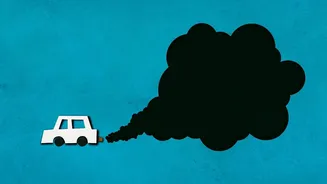
now released a draft notification for the next level: BS-VII. This move aims to further tighten emission limits and bring India's vehicle standards closer to the latest global benchmarks, such as the Euro 7 norms in Europe. The core purpose remains the same: to make the air we breathe cleaner by systematically reducing harmful emissions from the millions of vehicles on our roads.
BS-VII vs. BS-VI: What's Changing?
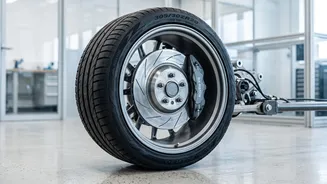
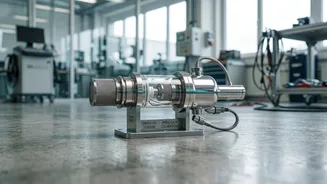
While BS-VI was a massive leap, BS-VII focuses on strengthening the monitoring and expanding the scope of regulations. For passenger cars, many of the core tailpipe emission limits for pollutants like Nitrogen Oxides (NOx) and Carbon Monoxide (CO) may remain similar to BS-VI. The big changes lie elsewhere. First, the new rules will target even smaller, ultrafine particles by lowering the measurement threshold from 23 nanometres to 10 nanometres. Second, and perhaps most importantly, BS-VII introduces regulations for non-exhaust emissions for the first time, including pollution from brake dust and tyre wear. This acknowledges that even electric vehicles, which have no tailpipe, contribute to particle pollution. Finally, the proposal mandates stricter and more comprehensive Real Driving Emissions (RDE) testing, ensuring vehicles are clean on actual roads, not just in labs.
A Staggered, Phased Rollout
The government has proposed a phased implementation to give manufacturers time to adapt. The first phase is set to begin on April 1, 2029, for newly manufactured passenger cars and SUVs (M1 category). This will be followed by light commercial vehicles (N1 category) from April 1, 2030, and then heavy-duty vehicles like buses and trucks from April 1, 2031. A timeline for two-wheelers, which are a major contributor to urban pollution, will be announced separately. This staggered approach is designed to manage the complexity of upgrading technology across different vehicle segments. It's important to note that these rules will apply only to new vehicles manufactured after these dates; existing BS-VI vehicles will not be affected or become illegal.
New Rules for a New Era
The BS-VII proposal introduces several new concepts for the Indian market. Every new vehicle will come with an 'Environmental Vehicle Passport', giving buyers clear, accessible information on emissions, fuel consumption, and battery health. On-board monitoring systems will become more advanced, capable of detecting and registering when a vehicle's emissions exceed the limits during its operational life. For electric and hybrid vehicles, the draft includes minimum battery durability standards, requiring them to retain a certain percentage of their original capacity over several years and kilometres. For instance, a battery must retain at least 75% of its capacity after five years or 100,000 km.
The Impact on Automakers and Buyers
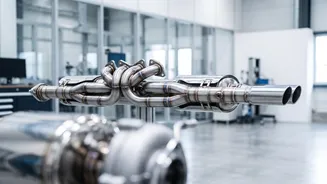
For vehicle manufacturers, meeting BS-VII norms will require significant investment in research, development, and upgraded technology. This includes more advanced exhaust after-treatment systems, durable sensors, and sophisticated on-board diagnostics. Automakers have already expressed concerns about the tight timeline, warning it could disrupt product development cycles. For consumers, this technological upgrade will likely translate into higher vehicle prices. While the exact increase will vary, the cost of compliance will inevitably be passed on to the buyer. However, the long-term benefits are cleaner, more technologically advanced vehicles with greater accountability for their environmental performance throughout their lifespan.