







From Monuments to Mantras
For generations, vacations in India meant visiting relatives, exploring historical landmarks, or heading to crowded hill stations. Today, a growing number of Indians are swapping these traditional itineraries for something quieter and more introspective.
The demand is no longer just for a change of scenery, but for a chance to reset and rejuvenate from the pressures of modern urban life. This shift is driven by a desire to disconnect from digital devices, manage stress, and invest in personal health. Instead of returning from a holiday more tired than they left, travellers are now asking if they can come back healthier. This has given rise to trips specifically designed around improving sleep, fitness, and mental clarity, turning the vacation into a purposeful investment in well-being.
More Than Just a Spa Day
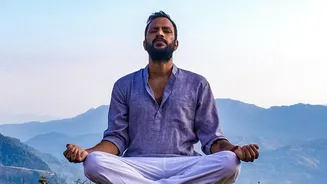
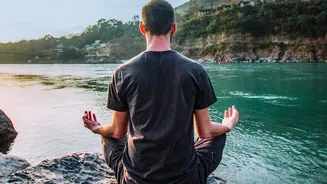
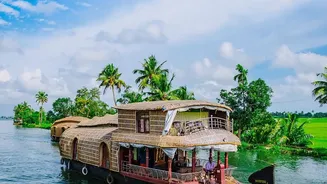
A wellness retreat is far more than a simple holiday with a few spa treatments. It is an immersive experience centred on holistic health. These retreats offer structured programmes that can include daily yoga and meditation, personalised Ayurvedic consultations, specific dietary plans, and digital detoxes where guests surrender their phones. The focus is on deep, holistic healing that addresses the body, mind, and spirit. Unlike a conventional vacation, the entire trip is designed around achieving specific wellness goals, whether it's detoxification, stress reduction, or learning sustainable healthy habits. Destinations like Ananda in the Himalayas, Six Senses Vana in Dehradun, and various centres in Kerala have become pioneers, offering everything from authentic Panchakarma detoxes to Tibetan healing practices.
A New Pillar for the Economy
This growing interest in wellness is not just a lifestyle trend; it's a significant economic driver. India's wellness tourism market is booming, with some reports projecting it to grow from over USD 30 billion in 2026 to more than USD 116 billion by 2035. This expansion creates jobs not only in the wellness and healthcare industries but also in hospitality, transport, and food services. The Indian government has recognised this potential, launching initiatives like 'Heal in India' to brand the country as a premier destination for both medical and wellness tourism. Policies such as the introduction of a special AYUSH visa make it easier for international tourists to travel to India for traditional treatments like Ayurveda, Yoga, and Naturopathy.
Capitalising on Ancient Wisdom
India holds a unique and powerful advantage in the global wellness market: authenticity. As the birthplace of yoga, Ayurveda, and numerous meditative practices, the country offers experiences rooted in centuries of tradition. This isn't an imported concept but a modern monetisation of its own rich cultural and spiritual heritage. Destinations like Kerala, renowned for its Ayurvedic traditions, and Rishikesh, the 'Yoga Capital of the World', have become global hotspots. South India currently holds the largest share of the market, but North India is catching up quickly with new retreats in Uttarakhand and Rajasthan. This allows India to offer a depth and credibility that few other countries can match, attracting travellers seeking genuine, transformative experiences rather than superficial wellness trends.
The New Indian Wellness Traveller
While international tourists have long sought out India for spiritual and wellness journeys, the recent boom is overwhelmingly powered by domestic demand. The modern Indian consumer, particularly young professionals and millennials in high-stress urban jobs, is driving this trend. They are increasingly aware of the costs of burnout and are actively seeking preventative health solutions. This has broadened the market from a niche luxury service to a more mainstream choice for solo travellers, couples, and even families looking for a meaningful break. The rise of digital detox retreats, which are projected to grow rapidly, is a direct response to this need for a structured escape from an-always-on lifestyle.