





The Craving Arrives With The Clouds
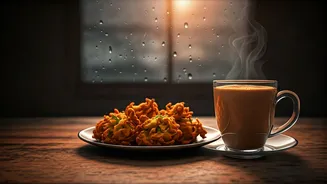
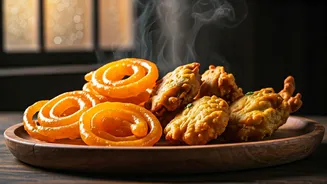
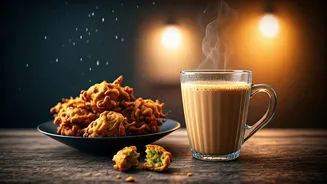
As grey clouds gather and the first drops fall, an almost universal instinct kicks in across India. It’s a sudden, undeniable urge for something hot, crispy, and comforting. The mind immediately conjures images of golden-brown pakoras, steaming samosas,
and roasted bhutta (corn on the cob), almost always accompanied by a cup of adrak wali chai. This craving is a shared cultural experience, a collective sigh of culinary satisfaction that marks the arrival of the rains. It’s a sensory signal that goes beyond mere hunger; it is a response to the atmosphere itself—the cool, damp air making us seek warmth and contrast. The crispiness of a freshly fried snack offers a delightful opposition to the dampness of the season.
An Appetite for Comfort
There's a scientific basis for these intense cravings. The lack of sunlight during overcast monsoon days can lead to a dip in our body's serotonin levels, the hormone that helps regulate mood. To compensate, our body craves carbohydrates, which can provide a brief boost to these serotonin levels. This is why carb-heavy snacks like samosas and pakoras feel so deeply satisfying; they are quite literally a pick-me-up. Furthermore, consuming these warm, energy-dense foods is a biological instinct. As the temperature drops, our body works harder to stay warm, and it signals a need for more fuel. Eating these foods helps regulate our body temperature, making us feel physically warmer and more comfortable in the cooler weather. This combination of psychological and physiological factors turns a simple snack into a powerful mood enhancer.
Listening to Ancient Wisdom
Long before modern science explained our cravings, Ayurveda offered its own guidance for the monsoon season, or 'Varsha Ritu'. According to Ayurvedic principles, the humidity during the rains can weaken our digestive fire, known as 'agni'. This makes our digestive system more sluggish and susceptible to issues. To counter this, Ayurveda recommends eating foods that are warm, light, and easy to digest. It advises against raw salads and cold foods, instead favouring cooked meals, warm soups, and herbal teas. Spices like ginger, cumin, black pepper, and turmeric are highly recommended as they help kindle the digestive fire and boost immunity. Interestingly, many traditional monsoon snacks align with these principles. The gram flour in pakoras is lighter than wheat flour, and the spices mixed into the batter are known digestive aids. Even the practice of drinking hot chai with ginger is a classic Ayurvedic remedy for staying warm and healthy during this season.
More Than a Snack, A Social Ritual
Monsoon food is rarely a solitary affair. It is deeply intertwined with a sense of community and togetherness. The act of making and sharing these snacks becomes a cherished social ritual. The kitchen often becomes the heart of the home, with family members gathering as the rain pours outside, waiting for a fresh batch of bhajiyas. These foods are linked to powerful nostalgic memories: of a mother frying pakoras, sharing a bhutta with friends by the roadside, or huddling in an office canteen with colleagues over tea and samosas. It's this social fabric that weaves the deepest flavour into monsoon food. The food itself is delicious, but the experience of sharing it during a downpour is what transforms it into a treasured memory, a feeling of comfort and connection.