






Safeguard Your Valuables
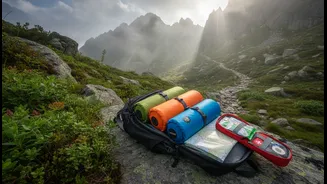
The number one rule of monsoon travel is to protect your critical items from water. Your passport, Aadhar card, tickets, and cash must stay dry. While you can try homemade solutions, dedicated waterproof document pouches are a small but crucial investment.
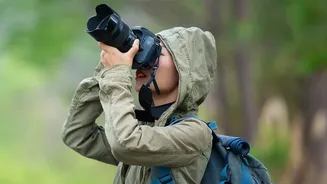
For an extra layer of security, use zip-lock bags for individual documents before placing them in the main pouch. Also, keep digital copies of all important documents saved to your phone and a cloud storage service as a backup. When it comes to electronics like your phone and camera, a high-quality waterproof case or dry bag is non-negotiable. Even a sudden downpour can cause irreversible damage.
Choose the Right Rainwear and Bag
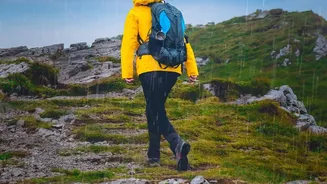
An umbrella might seem sufficient, but it's often no match for the wind and sideways rain common in many parts of India during the monsoon. A lightweight, hooded rain jacket or a full-length poncho offers far superior protection and keeps your hands free. Equally important is your backpack. A waterproof backpack is ideal, but a good alternative is a high-quality rain cover that can be quickly pulled over your existing bag. This simple accessory prevents your belongings from getting soaked during an unexpected cloudburst.
Rethink Your Wardrobe
Cotton and denim are poor choices for monsoon travel. Once wet, they take hours, sometimes days, to dry in the high humidity and can become heavy and uncomfortable. Instead, pack clothes made from quick-drying synthetic fabrics like polyester or nylon. These materials are lightweight and will dry much faster, even indoors. Also, pack an extra pair of everything; you will likely change more often than you expect. A thin fleece or a light woollen layer is also a good idea for chilly evenings, especially in hill stations.
Select Smart Footwear
Your choice of footwear can make or break a monsoon trip. Leather shoes are a definite no, as they get ruined by water. Heavy boots that trap water are also a bad idea. The best options are waterproof sandals with a good grip, rubber floaters, or EVA-based slip-ons. These materials don't absorb water, dry quickly, and provide the necessary traction for slippery surfaces. It’s also wise to carry an extra pair of socks, preferably moisture-wicking ones, to always have a dry pair ready.
Prepare a Monsoon Health Kit
The monsoon season brings a higher risk of infections and insect-borne diseases. Your travel first-aid kit should be adapted accordingly. Include a strong insect repellent, as mosquito populations surge during this time. Also pack essentials like antiseptic cream, bandages, pain relievers, and any personal medications. Due to the increased risk of water contamination, it's wise to carry rehydration salts (ORS) and perhaps water purification tablets. Antifungal powder can also be useful to prevent skin infections caused by dampness.
Don't Forget the Tech Extras
Power cuts can be more frequent during the monsoon. A fully charged power bank is an absolute essential to keep your devices running, especially if you rely on your phone for navigation and communication. A small flashlight or a headlamp can also be invaluable, particularly in areas with unreliable electricity or during evening walks on poorly lit paths. Finally, ensure you download offline maps of your destination, as network connectivity can be patchy in remote or rain-affected areas.