



An Appetite for Atmosphere
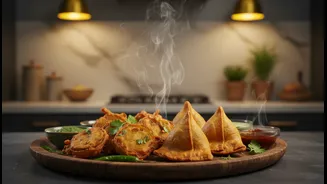
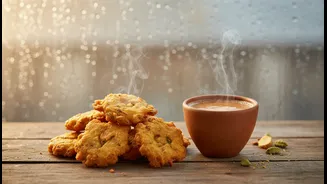
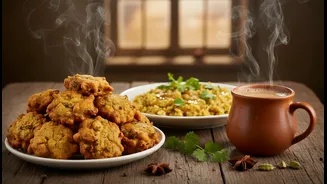
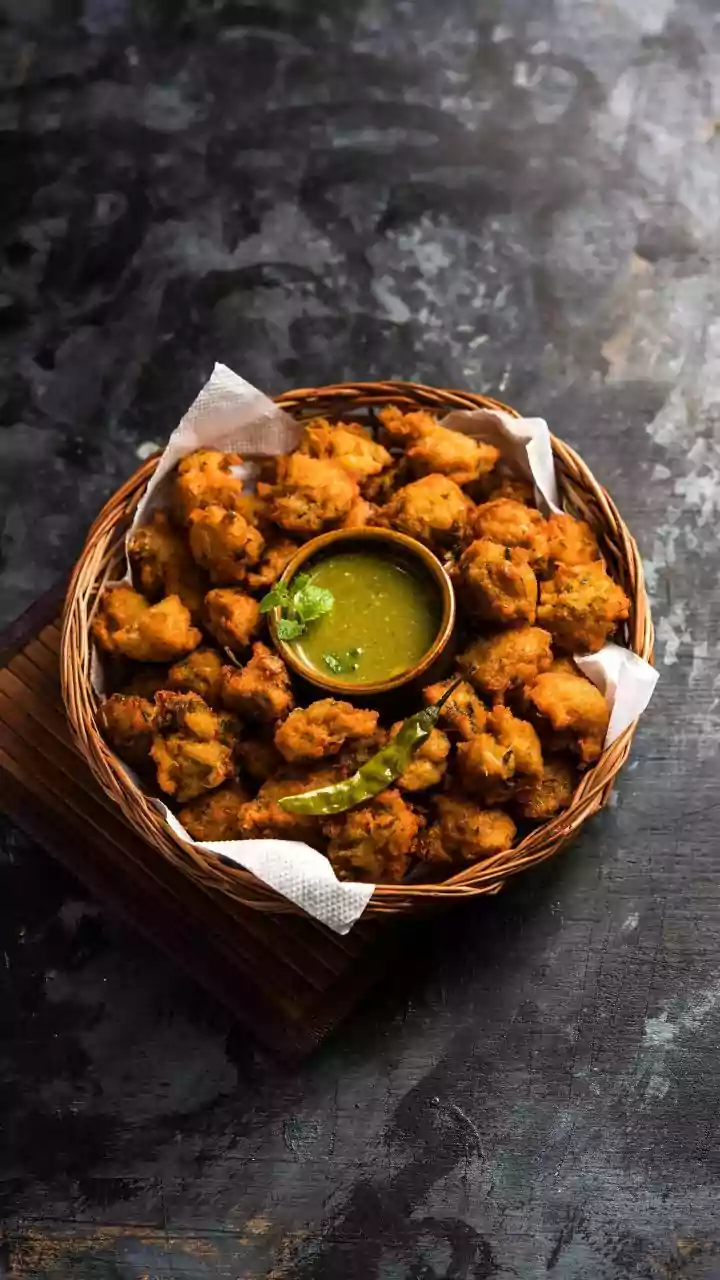
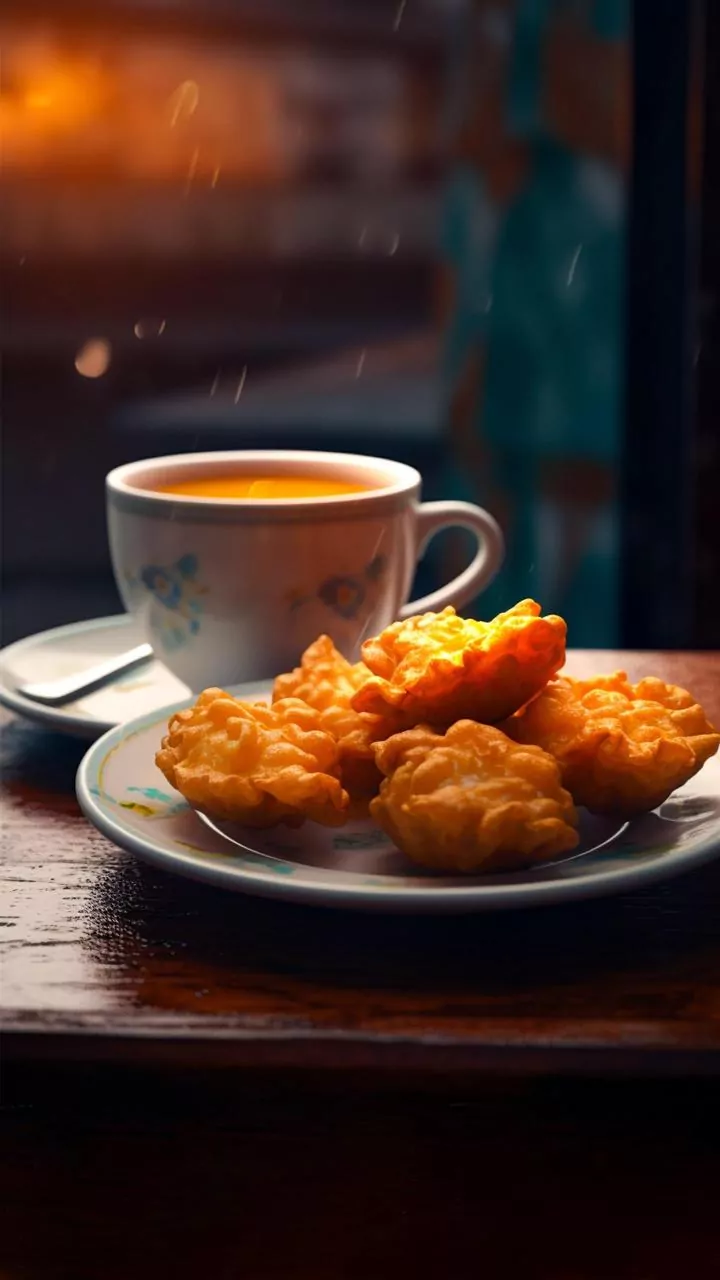
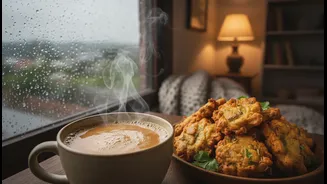
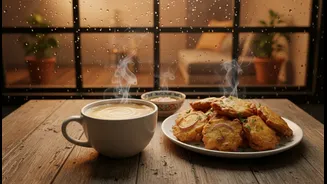
There's a reason the combination of rain, a cup of adrak chai, and a plate of hot pakoras feels so right. The drop in temperature and damp, grey surroundings make us instinctively crave foods that provide warmth and comfort. The crispy, crunchy texture
of fried snacks like samosas and bhajiyas offers a satisfying contrast to the humid, sluggish weather. This craving is also deeply emotional and nostalgic, tied to memories of family, slowing down, and finding cosiness indoors. Scientifically, the lack of sunlight can dip our serotonin levels, making our bodies seek out carbohydrates—like those in our favourite fried treats—for a brief but happy boost.
The Wisdom of Tradition
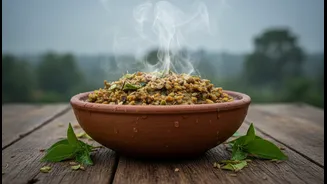
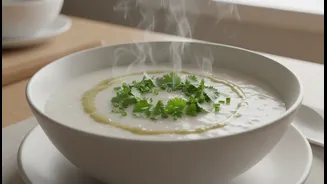
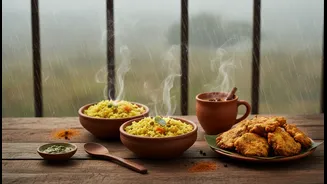
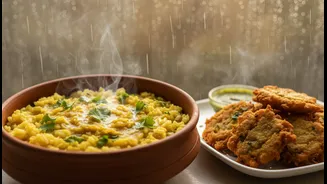
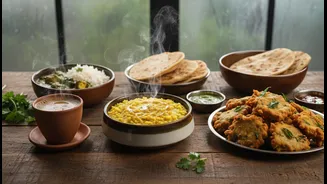
Beyond pure comfort, many classic monsoon dishes are rooted in the ancient wisdom of Ayurveda. The rainy season, or 'Varsha Ritu', is considered a time when digestion (Agni) is at its weakest and the 'Vata' dosha is aggravated. This is why traditional diets favour warm, light, and easily digestible foods. Dishes like Khichdi, a simple preparation of rice and moong dal, are considered ideal monsoon meals for their nourishing and gut-friendly properties. The generous use of warming spices like ginger, turmeric, black pepper, and cumin in monsoon cooking is also intentional. These ingredients are believed to aid digestion, boost immunity, and provide warmth from within, helping the body cope with the dampness.
More Than Just Fried Snacks
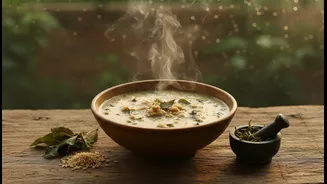
While pakoras and samosas often steal the spotlight, the monsoon plate is far more diverse. In South India, a bowl of hot, peppery Rasam is a go-to for clearing sinuses and providing warmth. In Bengal, Khichuri, a richer version of khichdi often served with fried eggplant, is a beloved staple. Steamed dishes also gain prominence, prized for being light and easy on the stomach. Items like soft idlis, fluffy dhoklas, and savoury momos are popular across the country. Roasted corn on the cob, or bhutta, seasoned with lime and spices, is another quintessential rainy-day snack enjoyed on the streets and at home.
A Modern Monsoon Makeover
The spirit of these classic recipes is alive and well in today's kitchens, even if the methods are evolving. Health-conscious home cooks are adapting traditional recipes to fit modern lifestyles. Pakoras and samosas are now frequently made in air fryers or baked instead of deep-fried, reducing oil without sacrificing the beloved crunch. There’s also a trend of giving classics a nutritious twist, such as making vada pav with pan-seared sweet potato patties or using multigrain flour for samosa wrappers. Some chefs are even creating fusion dishes like vada pav sliders or serving roasted corn with contemporary flavours like peri-peri. These adaptations prove that nostalgia and health can coexist, allowing a new generation to participate in these delicious traditions.