




More Than Just a Bulb
For years, home lighting was often an afterthought, dominated by functional tube lights or a single, central ceiling fixture. Today, that approach has been completely upended. Interior designers and style-conscious homeowners alike are embracing layered
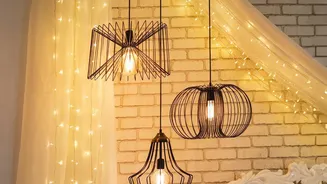
lighting, and pendant lights have emerged as a favourite tool. Unlike recessed lights that disappear into the ceiling, a pendant is a deliberate style statement. It hangs down into a space, acting as a piece of sculptural art that draws the eye upward and adds a sense of depth and character that flat lighting simply cannot achieve. Whether it’s a single dramatic piece or a cluster of smaller lights, a pendant announces itself and helps define the personality of a room.
The Dining Room's New Centrepiece
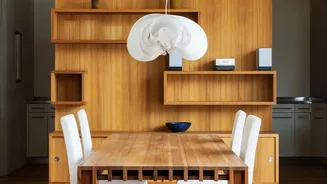
Nowhere is the impact of a pendant more apparent than over a dining table. It has become the most popular lighting choice for modern Indian dining areas, and for good reason. A pendant light creates a visual anchor, defining the dining zone within an open-plan layout. It creates an intimate pool of light, making meals feel warmer and more inviting. The options are endless: a single large, low-hanging pendant over a round table offers a bold statement, while a linear trio of smaller lights elegantly illuminates a long, rectangular table, creating a pleasing visual rhythm. Designers recommend hanging the fixture so the bottom is about 70-85 cm above the tabletop—low enough to create intimacy, but high enough not to block sightlines across the table.
The Heart of the Home: The Kitchen
The kitchen, once a purely utilitarian space, is now often the social hub of the home. The rise of the kitchen island or breakfast counter has created the perfect stage for pendant lighting. A row of two or three pendants over an island is a classic look that provides excellent task lighting for meal prep while adding a huge dose of style. In this high-traffic, functional area, material choice is key. Pendants made of glass, metal, or sealed ceramic are popular as they are easier to clean than fabric or intricate woven fixtures. These lights help to demarcate the kitchen area in open-concept homes, adding a layer of sophistication that elevates the entire space.
Layering Light in the Living Room
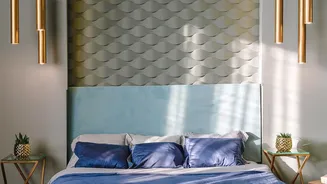
In the living room, pendants play a crucial role in a layered lighting scheme, which combines ambient (overall), task (focused), and accent lighting. While a chandelier might provide the main ambient light, pendants can be used more strategically. A stylish pendant can be hung in a reading nook to provide focused light, in a corner to highlight a piece of art, or beside a sofa as a creative alternative to a floor lamp. In bedrooms, a pair of small pendants hanging low over bedside tables is a chic, space-saving alternative to traditional lamps. This approach adds visual interest at different heights, making the room feel more considered and dynamic.
A Style for Every Indian Home
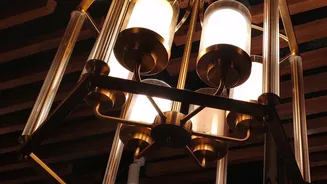
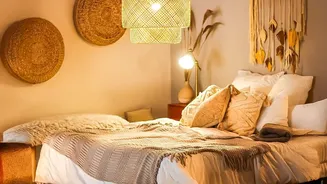
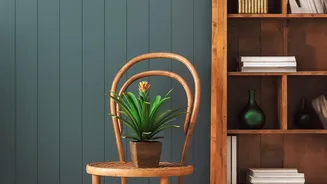
The beauty of the pendant trend is its sheer versatility, catering to every aesthetic. For those who favour a traditional or ethnic look, pendants in brass, antique finishes, and even wood are widely available. For a more rustic, bohemian, or eco-conscious vibe, there is a huge demand for handcrafted pendants made from natural, sustainable materials like rattan, bamboo, cane, and jute. These woven fixtures cast a warm, dappled glow that adds immense texture and softness to a room. Simultaneously, the market is filled with options for modern and minimalist interiors, including sleek metal designs, geometric shapes, and pendants made from smoked glass or even concrete for an industrial edge.