
More Than Just a Condiment
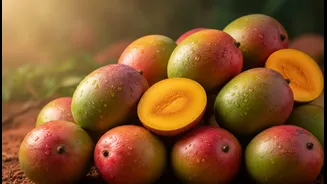
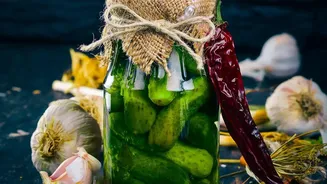
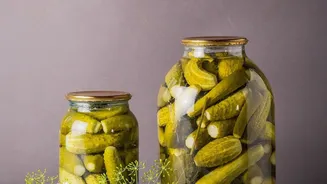
In India, pickles, or achaar, have never been just a condiment; they are edible history. For millennia, pickling was a practical way to preserve seasonal abundance, ensuring that summer mangoes or monsoon lemons could be enjoyed year-round. This tradition,
passed down through generations, often by grandmothers, has created an astonishing diversity of flavours across the country, shaped by local climate, produce, and culinary culture. A meal in many Indian homes is considered incomplete without the sharp, tangy, or fiery kick of a pickle. Beyond taste, many traditionally fermented pickles are also a source of probiotics, vitamins, and antioxidants, aiding digestion and boosting immunity.
A Journey Across India's Pickle Map
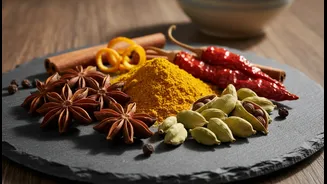
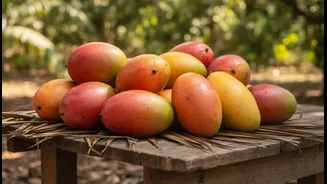
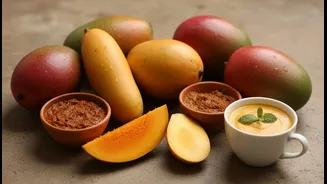
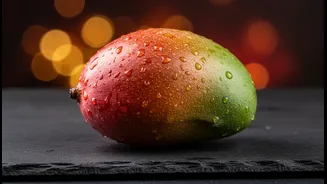
The sheer variety of Indian pickles is a culinary map of the subcontinent. In the North, mustard oil is a common base, creating bold and pungent flavours. Punjabi mango pickle and the mixed vegetable pickles of Uttar Pradesh are staples in many households. Travel to Rajasthan, and you'll find the unique Ker Sangri pickle, made from desert berries and beans, or the fiery Lal Mirch ka Achaar (stuffed red chilli pickle). The West offers a delightful balance of sweet and spicy. Gujarat's Chhundo, a grated raw mango pickle, is famously sweet and tangy, often eaten with theplas. Meanwhile, the South is known for its liberal use of sesame oil and bold spices. Andhra Pradesh's Avakaya, a fiery mango pickle made with a generous amount of mustard powder, is legendary among spice lovers. Further south, Kerala and Tamil Nadu are famous for their tangy lemon and vadu mangai (baby mango) pickles. The Northeast brings its own unique profile, with fermented bamboo shoot and fish pickles being local delicacies.
The Rise of the Artisanal Achaar
Recently, there has been a significant shift. Discerning consumers are moving away from mass-produced pickles and seeking out authentic, regional, and artisanal varieties. This trend is driven by a desire for traditional flavours, healthier options (like low-salt or oil-free pickles), and a connection to culinary heritage. Small-batch producers and women-led self-help groups are gaining prominence, bringing forgotten family recipes and local specialities to a wider audience. Brands like Farmdidi and The Gourmet by Renukka are championing everything from Jackfruit Pickle to the rare Lesua (Gumberry) Achar, celebrating ingredients that are not typically found on supermarket shelves. This movement has turned pickle-making into a powerful, women-led economic force in many rural areas.
Putting Pickles to Work in Your Kitchen
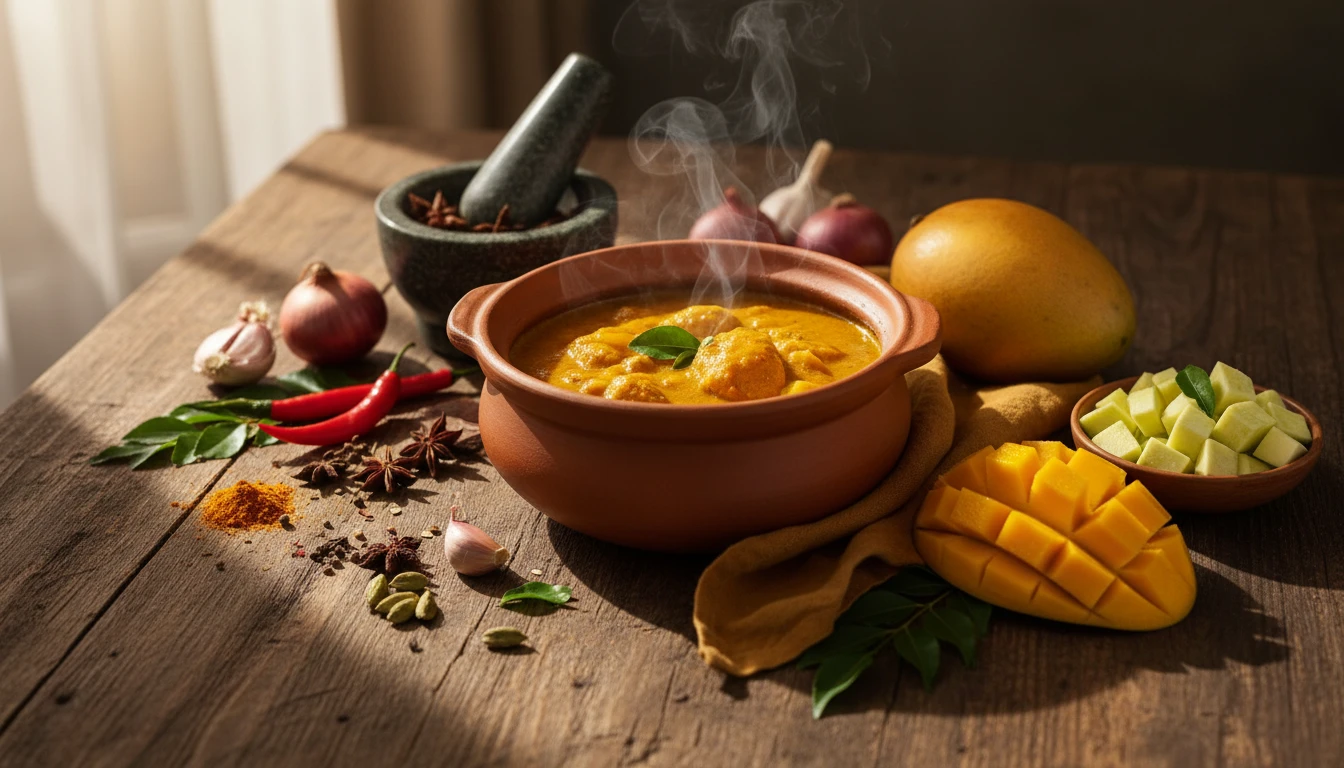
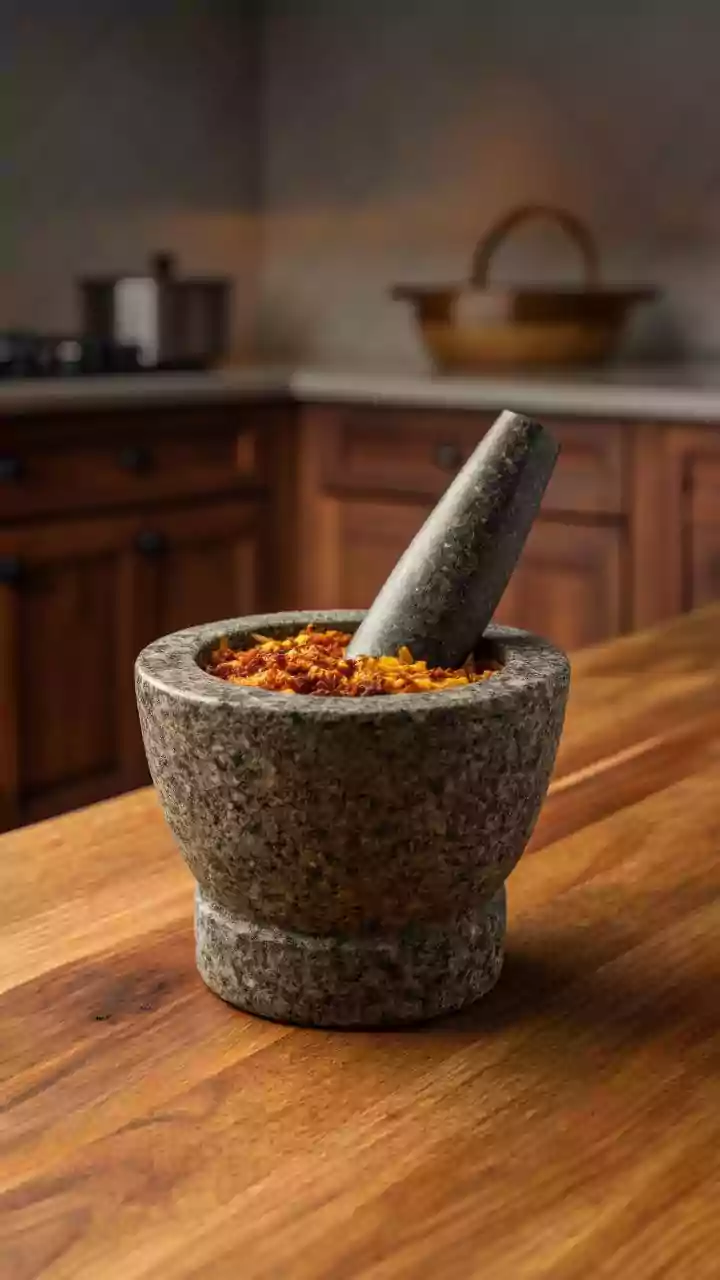
The modern Indian kitchen is finding new and creative ways to use these flavour bombs, moving them from the side of the plate to the centre of the dish. A spoonful of spicy mango or lemon pickle can be whisked into yogurt to create a zesty marinade for chicken or paneer. The spiced oil from a jar of garlic or chilli pickle is perfect for drizzling over dals, roasted vegetables, or even a simple avocado toast. Some cooks are stirring a dollop of tangy Gongura pickle from Andhra Pradesh into rice for an instant flavour upgrade or mixing it into doughs to make Achari Parathas. This creative usage shows that a good pickle doesn't just accompany a meal; it can be the ingredient that defines it.