




In a world that prizes convenience, a curious trend is emerging. The busiest among us—working professionals—are bypassing store-bought sweets for homemade festive snacks. This isn't just about food; it's a deliberate choice for quality.
A Stand Against Store-Bought Worries
The primary driver
behind this movement is a growing concern over the quality of mass-produced festive treats. During peak seasons like Diwali, the demand for sweets skyrockets, and to maximise profits, some vendors may resort to using substandard or adulterated ingredients. Reports often highlight the use of harmful chemical-based colours, impure ghee, and unsanitary preparation conditions. For many professionals who prioritize their health, the risk of consuming sweets made with cheap, unhealthy substitutes is a major deterrent. By taking the time to cook at home, they gain complete control over the ingredients, ensuring that every laddoo or piece of barfi is made with high-quality ghee, pure milk, and natural flavourings.
Reconnecting with Tradition and Taste
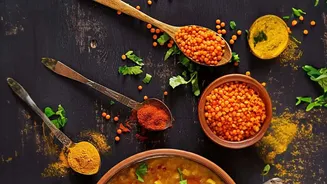
Beyond health concerns, making festive snacks at home is a powerful way to reconnect with cultural roots and family traditions. For many, the aroma of spices and the process of shaping a familiar snack evokes cherished childhood memories. In today's globalised world, where many work in high-pressure, modern environments, these culinary rituals provide a tangible link to heritage. It's about recreating a grandmother’s signature gujiya or a father’s favourite chakli. This act of creation is not just about the final product; it's about keeping family stories and traditions alive, one recipe at a time. The taste of a homemade snack, tailored to personal preference, is a flavour that mass production can never replicate.
Cooking as a Form of Mindful Escape
Paradoxically, for those with the most demanding schedules, cooking has become a form of therapy. The act of measuring flour, kneading dough, and carefully shaping snacks offers a mindful, screen-free escape from the constant pings of emails and meetings. It's a sensory experience—engaging touch, smell, and taste—that helps ground individuals in the present moment. Rather than being another chore on a long to-do list, this time in the kitchen is being reframed as a restorative activity. It’s a chance to de-stress, focus on a tangible task, and create something beautiful and delicious with one's own hands, offering a sense of accomplishment that is different from professional achievements.
How They Make It Work
So, how do these busy professionals find the time? The answer lies in smart planning and modern approaches to traditional cooking. Many dedicate a weekend afternoon to 'batch cook' snacks, preparing large quantities that will last through the festive season. Others simplify recipes, choosing less elaborate versions of classic treats that require fewer steps. The rise of easy-to-follow online recipes and video tutorials has also been a game-changer, making complex techniques accessible to even novice cooks. Furthermore, it often becomes a family activity, with partners and even children getting involved, turning a solitary task into quality bonding time.
The Most Popular Homemade Delights
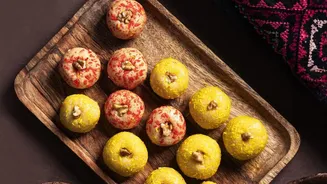
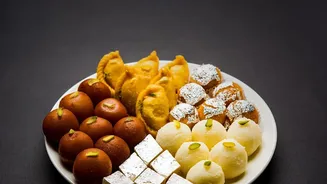
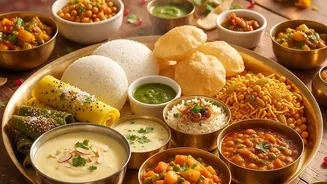
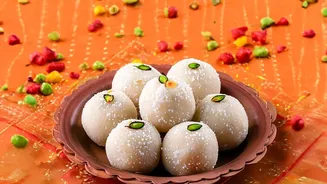
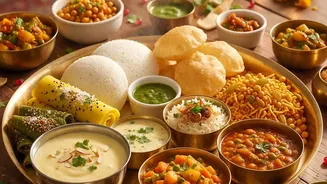
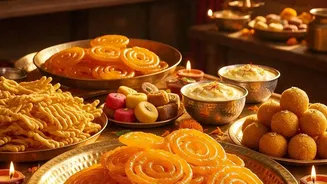
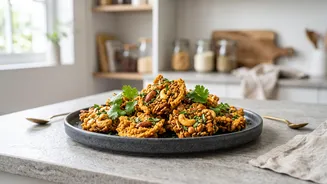
While the reasons are many, the results are delicious. The snacks being made are a mix of timeless classics. Crispy, spiral-shaped Murukku (or Chakli), diamond-cut Shankarpali (both sweet and savoury), and various types of Laddoos are perennial favourites. For those with a sweet tooth, Gujiya, with its rich filling of khoya and nuts, is a popular choice, especially during Holi. These homemade snacks, often packed in beautiful boxes and shared with friends and family, are becoming the new currency of festive gifting—a personal, heartfelt gesture that a store-bought box simply cannot match.