







The Pre-Dawn Grind
Long before the world tunes in, a cricketer's day is already in motion. For many, it begins around 5:30 AM. This quiet time is often used for mental preparation, with meditation helping to build the focus and resilience needed for high-pressure situations.
Following this, the physical work begins. A training day is a meticulously planned affair, distinct from the adrenaline-fueled schedule of a match day. The morning session is typically dedicated to building peak physical condition. This isn't just a casual jog; it involves a combination of strength and conditioning, high-intensity interval training (HIIT), and agility drills. Strength training focuses on compound movements like squats and deadlifts to build power for explosive sprints and hitting, while sessions are often split between upper and lower body throughout the week.
Fueling the Engine
A cricketer’s body is a finely tuned machine, and it requires premium fuel. Nutrition is a science, planned with as much precision as a bowling strategy. Diets are tailored to an individual’s role, the climate, and the schedule. A diet chart is designed to provide sustained energy, aid muscle repair, and maintain focus. A typical day's menu is heavy on carbohydrates for energy (about 40-50% of intake) and high in protein (around 30%) for muscle recovery. Breakfast might include oats, eggs, or parathas for lasting energy. Meals are strategic. A pre-training snack might be a banana, while a post-training meal within the hour focuses on a mix of protein and carbs, like grilled chicken with rice or chocolate milk, to replenish glycogen stores and repair muscle fibers. Hydration is a constant priority, especially in hot conditions, starting the night before a game.
Practice and Analysis
The afternoon is usually dedicated to honing cricket-specific skills. This means hours in the nets. Batters face countless deliveries, working on technique against different types of bowling, while bowlers perfect their line, length, and variations. Fielding drills are relentless, designed to sharpen reflexes and agility under fatigue. But modern cricket is also a mental game. A significant chunk of a cricketer's time is spent in team meetings, analysing opposition footage, and strategising. Players review their own performances to identify areas for improvement and work with coaches on tactical plans. This analytical work is crucial for building the mental confidence needed to execute skills under pressure.
Match Day Mindset
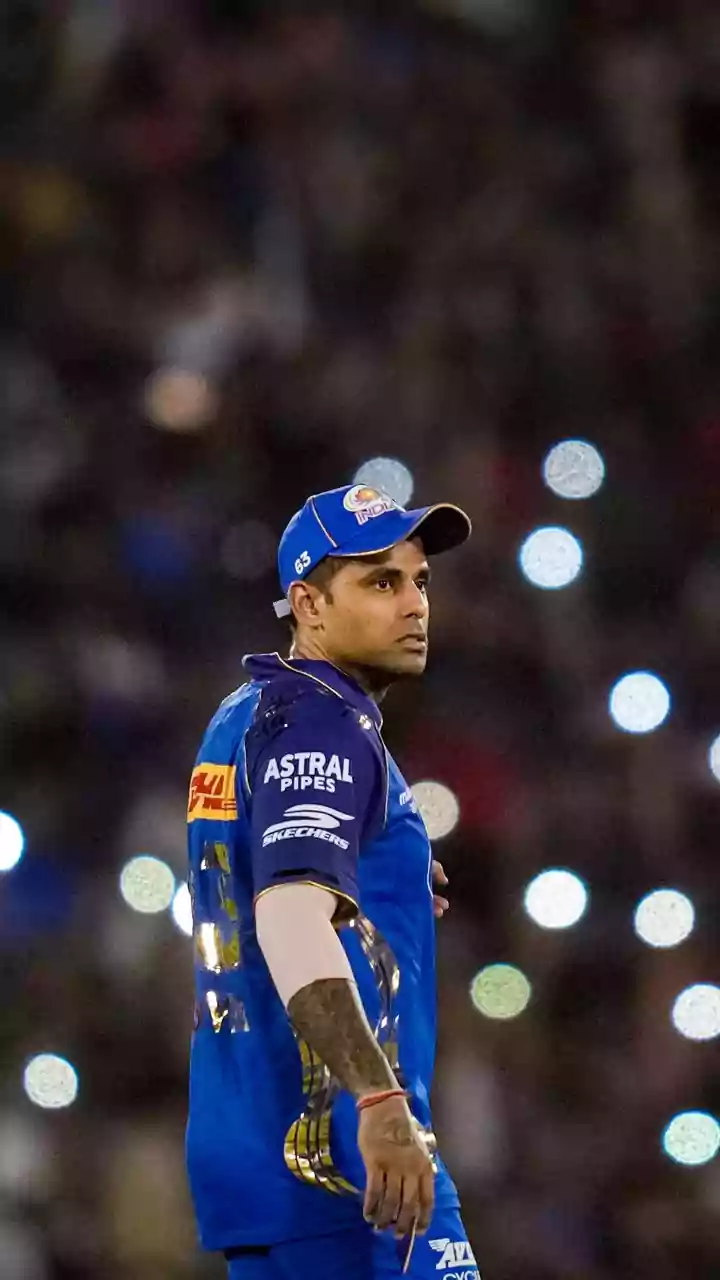
A match day has a different rhythm, a blend of controlled energy and intense focus. The morning is about light, easily digestible meals and team briefings. The warm-up at the ground is a crucial ritual to activate muscles and switch into game mode. During the game, nutrition is about quick, accessible fuel like sports drinks, fruits, and energy bars to maintain stamina. For players, concentration must be maintained for hours, whether waiting to bat or standing in the field for an entire day. It’s a test of mental endurance as much as physical skill. Post-match, the process of recovery begins almost immediately with stretching, ice baths, and a protein-rich meal to start repairing the body.
The Unseen Demands: Travel and Recovery
The life of an international cricketer is nomadic. Constant travel across time zones is a significant challenge, bringing with it jet lag and fatigue that can impact performance. Managing sleep becomes a critical skill, with players often working to adjust their body clocks days before a flight. Recovery is not just for after a match; it is an everyday priority. Rest days are actively planned and may involve light activities like swimming or yoga to aid blood flow without straining the body. Top cricketers aim for 7-9 hours of quality sleep a night, understanding that this is when the body truly repairs itself and solidifies the day's training. It's in these quiet moments of recovery that the foundation for the next explosive performance is built.