





The Physics of a Slippery Slope
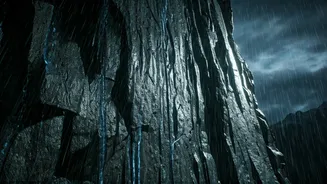
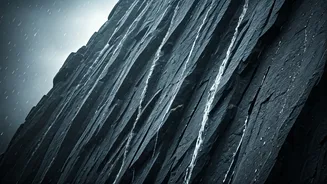
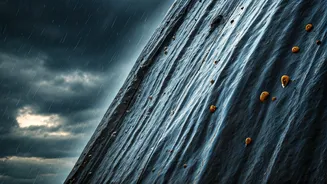
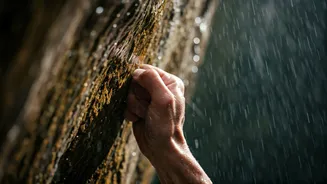
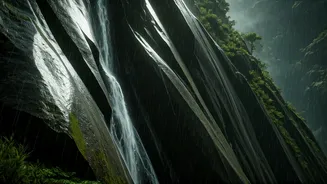
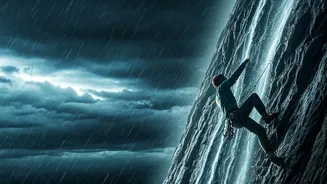
The most obvious challenge of climbing in the rain is the loss of friction. But the problem is more complex than a simple slippery surface. Different types of rock react to water in dramatically different ways. On granite, a non-porous rock, water sits
on the surface, creating a slick film that can make even the most reliable handholds and footholds feel like polished glass. A climber's weight, normally a tool for creating pressure and grip, can suddenly become a liability, increasing the likelihood of a slip. Sandstone, on the other hand, presents a different and arguably more dangerous problem. Being porous, it soaks up water like a sponge. This not only makes it slippery but also structurally compromises the rock itself. Holds that were solid minutes before can become soft and friable, liable to crumble or break off entirely under a climber’s weight. For experienced climbers, this isn’t just an inconvenience; it’s a fundamental change in the integrity of their environment, turning a familiar route into a dangerously unpredictable puzzle.
When Your Gear Turns Against You
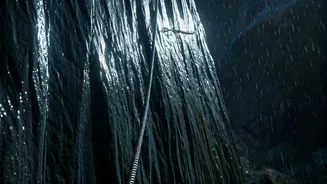
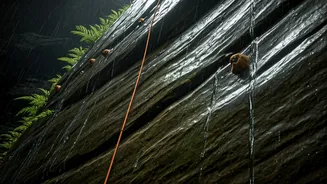
In dry conditions, a climber’s gear is their lifeline. In the rain, it can become a source of frustration and risk. The most critical piece of equipment, the rope, becomes a major problem. Modern dynamic ropes are designed to stretch to absorb the force of a fall, but when they get saturated with water, their properties change. They become significantly heavier, adding exhausting weight that a climber must haul up the wall. A wet rope can also absorb less energy, potentially making a fall more severe. Furthermore, climbing chalk, the white powder climbers use to keep their hands dry and enhance grip, becomes a useless, slimy paste in the rain. Protection devices, such as cams and nuts that are wedged into cracks to secure the rope, can also be compromised. Water can lubricate the rock inside a crack, increasing the chance that a piece of protection could slip or shift under load. Even the simple act of handling carabiners and belay devices becomes more difficult with cold, wet hands, slowing down movement and increasing the chance of a mistake.
The Cold and the Mind
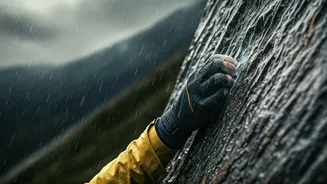
Beyond the physical and technical difficulties lies the psychological battle. Rain brings the cold, which seeps into a climber’s body, draining energy and dulling reflexes. Hypothermia is a real and present danger, even in moderate temperatures. Shivering makes precise movements nearly impossible, and numb fingers lose the sensitivity needed to feel for subtle holds. This constant physical discomfort wears down a climber’s mental resilience. Every move feels more consequential, and the perceived risk skyrockets. The sound of rain can drown out communication between climbing partners, creating a sense of isolation on the wall. The decision to continue upward or to attempt a difficult and potentially dangerous retreat (a rappel) becomes a heavy mental burden. An experienced climber knows that pushing through a storm is rarely a sign of strength; more often, it is a sign of poor judgment. The mental game shifts from one of ascent to one of survival and safe descent.
The Art of the Wet Ascent
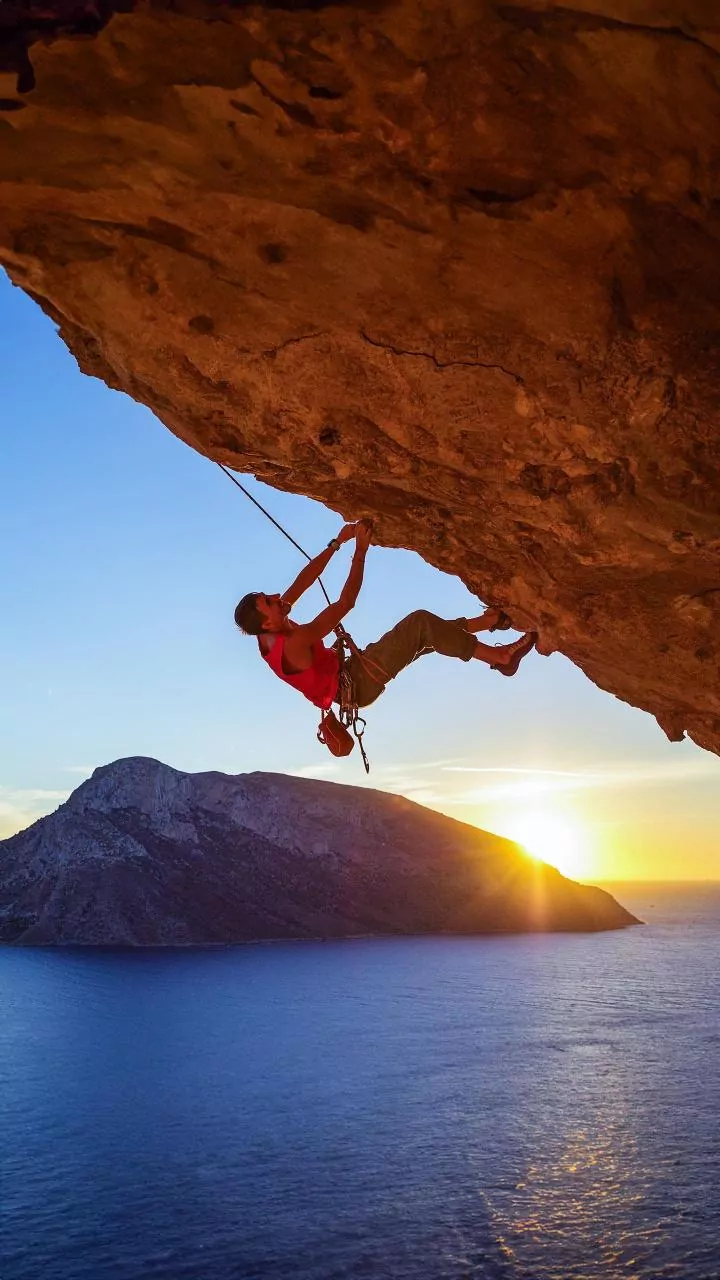
Despite the immense challenges, some elite climbers do train for and climb in wet conditions. However, their approach is radically different. They choose routes carefully, often favouring steeply overhanging walls that are sheltered from the direct downpour. They might also switch to climbing styles that rely less on pure friction and more on using the structure of the rock, such as jamming hands and feet into cracks. These climbers understand that the most crucial skill isn't muscling through a wet section but exercising superior judgment. They are masters of risk assessment. They know their gear's limitations, their body's response to cold, and, most importantly, the exact moment when the risks outweigh the rewards of reaching the summit. The ability to make a calm, rational decision to retreat is often what separates a seasoned veteran from a reckless amateur. They understand that the mountain will always be there, and living to climb another day is the only victory that truly matters.