

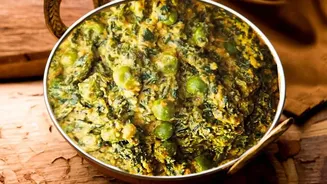
More than just a dish, saag is a comforting, nutritious tradition in many Indian homes. This beloved preparation of slow-cooked greens is a delicious gateway to understanding the vital role leafy vegetables play in a balanced, flavourful diet.
What Exactly Is Saag?
While many
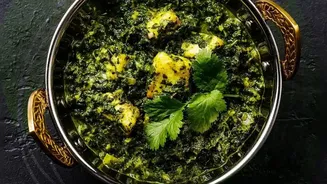
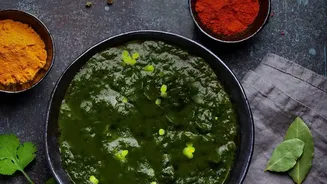
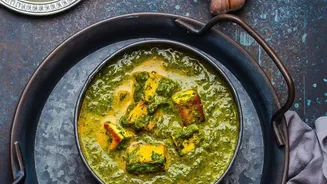
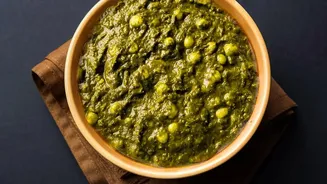
associate the word 'saag' with palak paneer, the term itself simply means 'leafy greens' in many Indian languages. It refers to a whole category of dishes made by slow-cooking greens into a rustic, flavourful mash. The most famous iteration is Sarson da Saag, a winter delicacy from Punjab. Traditionally, it is a blend of mustard greens (sarson), which provide a pungent, slightly bitter base, balanced with the mildness of spinach (palak) and the earthy notes of chenopodium (bathua). However, the combination can vary based on region and what's available, sometimes including fenugreek (methi) or radish greens. This mix of greens is simmered for hours with ginger, garlic, and spices until it becomes a creamy, homogenous curry, often thickened with a little maize flour (makki ka atta) and finished with a dollop of ghee.
A Cultural and Seasonal Staple
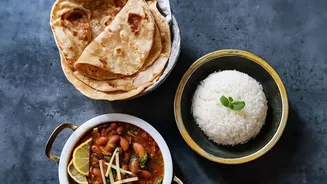
Sarson da Saag is deeply woven into the fabric of Punjabi culture, intrinsically linked to the winter harvest season when fresh mustard fields are abundant. It's a dish that embodies patience and warmth, often cooked in large batches to be shared among family and friends, especially during the Lohri festival. Its classic pairing with Makki ki Roti (a flatbread made from maize flour) and a spoonful of white butter is more than just a meal; it's a cherished culinary experience. The combination isn't just for taste—the corn bread complements the earthy greens, creating a nutritionally complete and satisfying meal that has sustained generations through the colder months.
The Nutritional Powerhouse Within
Leafy greens are nutritional superstars, and saag is an excellent way to consume a large quantity of them in one delicious serving. Mustard greens, the star of Sarson da Saag, are packed with vitamins A, C, and K, which are crucial for immune support, skin health, and bone strength. They are also a good source of minerals like calcium and iron. Spinach adds folate and more iron, while bathua contributes fibre and helps in digestion. Together, these greens create a dish rich in antioxidants and anti-inflammatory compounds. Furthermore, the traditional addition of ghee or butter is not just for flavour; these healthy fats are essential for helping the body absorb fat-soluble vitamins like A and K, making the dish even more nutritious.
Beyond Saag: India’s Diverse World of Greens
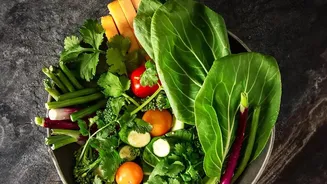
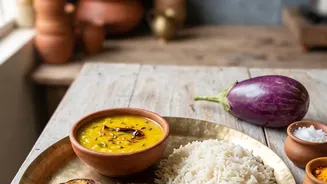
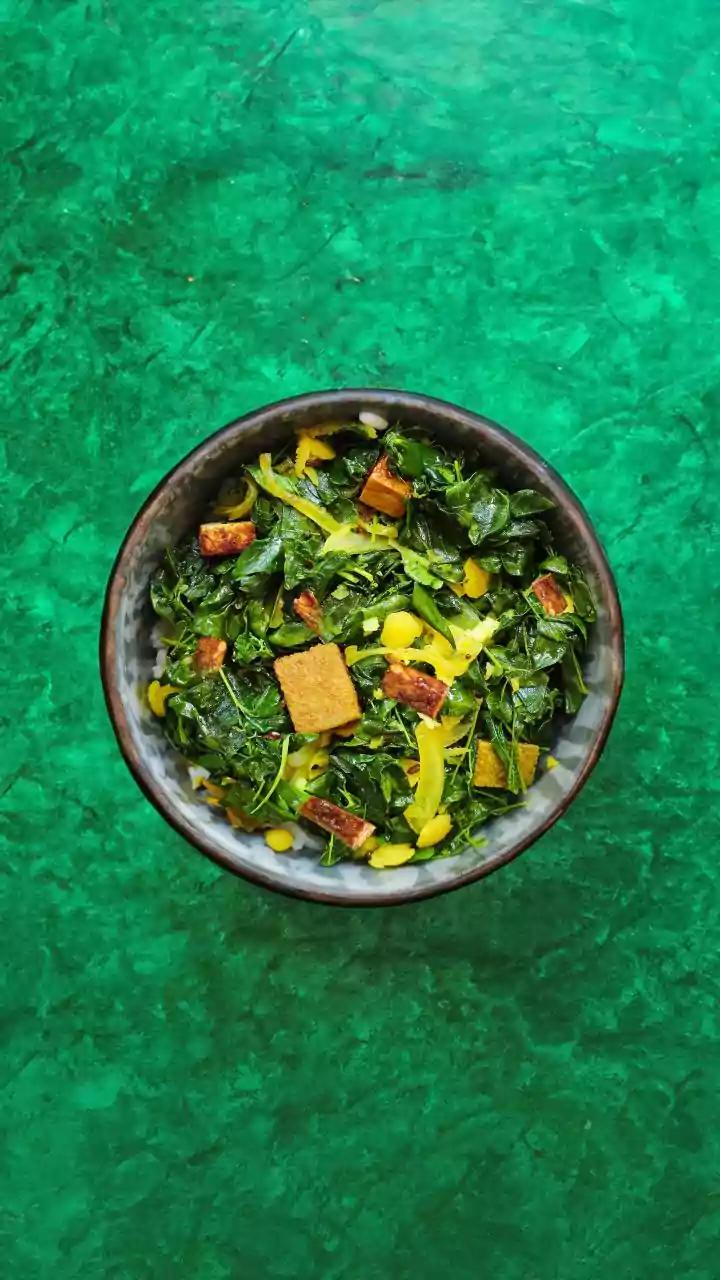
Indian cuisine celebrates a vast array of leafy vegetables far beyond the components of a typical saag. Fenugreek leaves (methi) are used to make flavourful flatbreads (thepla) and curries like Aloo Methi. Amaranth leaves (chaulai or laal saag) are used in stir-fries and lentil dishes. In the south, drumstick leaves (moringa), which are exceptionally nutrient-dense, are often added to dals and sambar. Other greens like Malabar spinach (poi saag), purslane (kulfa), and colocasia leaves (arbi ke patte) are staples in regional cuisines, each bringing unique flavours, textures, and health benefits. This diversity is a cornerstone of a traditional balanced diet, ensuring a wide spectrum of nutrients.
Integrating More Greens Into Your Daily Meals
Increasing your intake of greens doesn't have to be complicated. One of the easiest methods is to 'hide' them in dishes you already cook. Finely chopped spinach or methi can be kneaded into the dough for rotis or parathas, adding nutrients without drastically changing the taste. You can also stir a handful of chopped greens into dal or khichdi during the last few minutes of cooking. For breakfast, add spinach to omelettes, scrambled eggs, or upma. Making vegetable-forward chutneys with mint and coriander is another excellent way to consume raw greens. The key is to start with small additions to your favourite meals, making it a sustainable habit.