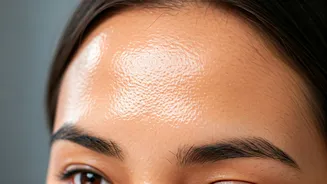









Why Humidity Wreaks Havoc on Oily Skin
The sticky, greasy feeling that accompanies the monsoon isn't just in your imagination. High humidity in the air prevents sweat from evaporating easily. This mixture of trapped sweat and the skin's natural oils (sebum) creates a shiny layer that can feel heavy
and congested. The warm, damp conditions also stimulate the sebaceous glands to produce even more oil, creating a perfect storm for clogged pores, blackheads, and acne breakouts. Your skin's pH balance can also be disrupted, making it more vulnerable to infections.
Cleanse Gently, But Thoroughly
The first rule of monsoon skincare is to cleanse your face twice a day to remove the build-up of excess oil, dirt, and sweat. However, it's crucial to avoid over-washing or using harsh, stripping cleansers. This can strip the skin of its essential moisture, ironically triggering it to produce even more oil to compensate. Opt for a gentle, sulfate-free foaming or gel-based cleanser. Look for ingredients like salicylic acid or tea tree oil, which are excellent for controlling oil and preventing breakouts without being overly aggressive.
Don’t Skip the Moisturiser
It’s a common myth that oily skin doesn't need moisturiser, especially in humid weather. The opposite is true; skipping this step can dehydrate your skin, prompting it to produce more oil. The secret is to choose the right kind of moisturiser. Ditch the heavy creams and opt for a lightweight, oil-free, and non-comedogenic (meaning it won't clog pores) formula. Gel-based moisturisers containing ingredients like hyaluronic acid or aloe vera are perfect as they provide hydration without adding any greasiness.
Incorporate Smart Ingredients
The monsoon is a good time to introduce some hardworking active ingredients into your routine. Niacinamide is a standout ingredient for humid weather as it helps regulate sebum production, reduce the appearance of pores, and calm inflammation. Salicylic acid is another hero for oily skin, as it penetrates into the pores to dissolve oil and dead skin cells, helping to prevent congestion. An alcohol-free toner can also help balance the skin’s pH and control shine. Look for formulas with soothing ingredients like green tea or witch hazel.
Exfoliate, But With Care
Regular exfoliation is key to preventing the build-up of dead skin cells that, when combined with excess oil, lead to clogged pores. Aim to exfoliate once or twice a week with a gentle product. You can use a mild physical scrub or a chemical exfoliant containing acids like glycolic acid (an AHA) or salicylic acid (a BHA). Be careful not to scrub too hard, as this can irritate the skin and worsen inflammation. Consistent, gentle exfoliation will help keep your skin smooth and clear.
Weekly Clay Masks for a Deep Cleanse
Treat your skin to a weekly deep-cleansing mask. Clay masks are particularly effective for oily and acne-prone skin because they absorb excess oil and draw out impurities from the pores. Multani mitti (Fuller's Earth) is a traditional and highly effective choice. You can create a simple pack by mixing it with rose water to form a smooth paste. Apply the mask, let it dry for about 15 minutes, and then rinse it off. This ritual can help keep shine at bay and reduce the frequency of breakouts.
Mind Your Diet and Hydration
What you eat can also affect your skin. Try to limit excessively oily, sugary, and processed foods, which can sometimes trigger breakouts. Instead, focus on a balanced diet rich in fruits, vegetables, and whole grains. Staying hydrated is also essential. Drinking plenty of water throughout the day helps to flush out toxins and maintain your skin's natural balance, which can help regulate oil production. Incorporating water-rich foods like cucumber and watermelon can also contribute to your overall hydration.