





What Are Compression Cubes?
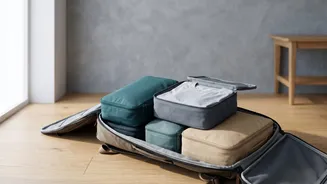
At first glance, compression cubes look like standard packing cubes—fabric pouches used to organise clothes within a suitcase. The key difference lies in a second, outer zipper. After you fill the cube, this compression zip squeezes the pouch, forcing
out excess air and reducing the overall volume of the contents. This simple mechanism turns a puffy stack of clothes into a dense, compact block, creating significantly more space in your luggage. Unlike vacuum bags, they don't require a pump and are made of durable fabrics like nylon, designed to withstand the stress of repeated use.
The Magic of Maximising Carry-On Space
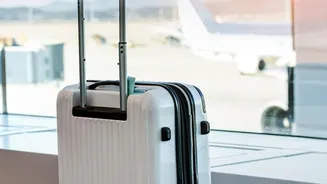
For budget flyers in India, the battle is often won or lost at the baggage sizer. Airlines like IndiGo and SpiceJet are known for their strict 7 kg carry-on weight limits and precise dimension rules (typically 55 x 35 x 25 cm). While compression cubes don’t reduce weight, they are masters of managing volume. By compacting bulky items like jackets, sweaters, and jeans, they allow you to fit the same amount of clothing into a much smaller, compliant bag. This can be the difference between strolling onto the plane with a single carry-on and being forced to pay steep fees to check your bag at the gate. Experienced travellers use this to their advantage, often avoiding checked luggage altogether.
Beyond Space: The Gift of Organisation
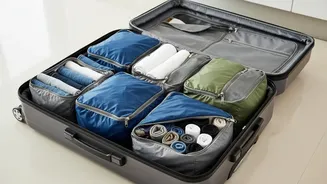
While the space-saving benefit is the main draw, light travellers praise compression cubes equally for the organisation they provide. Instead of a chaotic jumble of clothes, your suitcase becomes a neat collection of categorised blocks. You can designate cubes for different items: one for tops, one for bottoms, another for underwear and socks. This system makes finding a specific item effortless, eliminating the need to dig through your entire bag. When you arrive at your destination, you can simply move the cubes directly into hotel drawers, making unpacking and repacking a remarkably swift process. Many travellers also use a spare cube to separate dirty laundry from clean clothes during their trip.
Reducing Wrinkles and Protecting Clothes
A common misconception is that compressing clothes leads to more wrinkles. However, when packed correctly, the opposite is often true. By rolling clothes tightly before placing them in a cube and then compressing them, items are held snugly in place. This prevents the shifting and tumbling that causes creases during transit. The durable, often water-resistant fabric of the cubes also offers an extra layer of protection against potential spills or moisture, keeping your belongings safe and dry. While delicate items like business shirts might fare better in a standard packing cube, compression is ideal for most travel apparel.
Tips for Using Compression Cubes Effectively
To get the most out of your compression cubes, a few simple techniques go a long way. First, always roll your clothes. This method not only saves space but also minimises wrinkles. Don’t overstuff the cube before compressing it; a cube that is about 80% full will compress more effectively and put less strain on the zippers. Pack by category and consider using different coloured cubes for easy identification. Finally, and most importantly for budget flights, always be mindful of weight. A compressed bag is denser and can become heavy quickly. Keep a travel scale handy to ensure you remain within the 7 kg limit enforced by most Indian domestic carriers.