




A Craft Rooted in the Earth
Terracotta, literally 'baked earth', has been a cornerstone of Indian households for millennia, with its history tracing back to the Indus Valley Civilization. In Rajasthan, this craft evolved under Mughal and Rajput patronage, becoming an integral part
of life. Villages like Molela in the Rajsamand district have been hubs for this craft for over 800 years, with artisans creating everything from religious plaques to functional water pots and cooking vessels. This craft is more than a livelihood; it's a generational skill passed down through families, using specific local clays from riverbeds and traditional hand-moulding techniques that give each piece a unique soul.
The Challenge of the Modern Kitchen
Despite its rich heritage, traditional terracotta has faced challenges in the contemporary urban home. The modern kitchen—often compact and equipped with gas or induction stoves—can be unforgiving to traditional earthenware. The round bottoms of classic handis are unstable on flat cooktops, and the porous, unglazed nature of some pots makes them difficult to clean and prone to breakage. As lifestyles grew faster and mass-produced metal and non-stick cookware offered convenience, the humble clay pot was often relegated to the status of a decorative or ceremonial object. Artisans who once had steady demand found their livelihoods becoming seasonal and uncertain.
A Partnership for Progress
This is where a new chapter begins. Recognizing the gap between heritage and modern needs, a wave of collaborations has emerged between Rajasthani artisans and contemporary designers, entrepreneurs, and social initiatives. These partnerships are not about charity; they are a symbiotic exchange of skills. Designers bring an understanding of urban market trends, modern aesthetics, and the functional requirements of a city kitchen. They might suggest flatter bases, ergonomic handles, or new forms like casseroles and pans. The artisans bring their irreplaceable, deep-seated knowledge of the material—how the clay behaves, how it must be fired, and how to work it with their hands. This fusion of contemporary design thinking and ancestral craftsmanship is proving to be a powerful formula for revival.
Reimagined for Today's Home
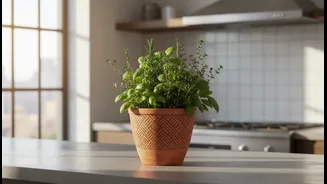
The results of these collaborations are both beautiful and practical. The updated terracotta cookware often features a flat base, making it stable on modern stovetops. Some pieces may be partially glazed for easier cleaning, while leaving the interior porous to retain the health benefits of clay cooking. New shapes and sizes are emerging—sleek serving bowls, minimalist kadhais, and even clay water bottles and coffee mugs that cater to a contemporary aesthetic. The design language honours the material's earthy appeal while ensuring it integrates seamlessly into a modern home, celebrating rather than hiding its handcrafted origins.
More Than Just a Cooking Pot
For the urban consumer, the appeal is multifaceted. Cooking in clay is known to be healthier; the porous nature of terracotta allows for slow, even heat and moisture circulation, which helps retain the nutrients in food. Clay's alkaline properties can also balance the pH of acidic foods. Beyond the health benefits, there's a growing desire for sustainable, non-toxic, and ethically made products. Owning a piece of handcrafted cookware connects the user to a story and a tradition. For the artisans, these collaborations provide a sustainable, year-round livelihood, renewed pride in their heritage, and access to a global marketplace, ensuring their ancient skills not only survive but thrive in the 21st century.