





A New Ally in a Tough Job Market
For India's fresh graduates, 2026 presents a difficult paradox. While the economy is growing, the path from a degree to a stable first job is longer and more uncertain than ever. Reports indicate that a significant percentage of graduates under 25 remain
unemployed, and many companies report that graduates aren't workforce-ready. Employers increasingly demand practical experience for entry-level roles, leaving many freshers in a classic catch-22: they can't get a job without experience, and they can't get experience without a job. This challenging environment is pushing them towards a new generation of tools for support: AI-powered career coaches. These platforms promise personalised, data-driven guidance to help graduates stand out in a sea of applications where over 60% of applicants never even hear back.
What Exactly is an AI Career Coach?
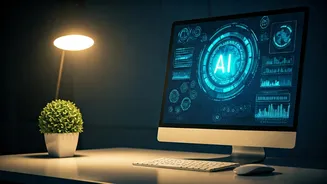
Think of an AI career coach as a personal career advisor in your pocket, available 24/7. These digital platforms use artificial intelligence to offer services that were once the exclusive domain of human counselors. They analyze a user's resume, skills, and interests to suggest suitable career paths, identify skill gaps, and even recommend specific courses to become more employable. Unlike a static aptitude test, these AI tools can simulate interviews, offering real-time feedback on answers and delivery. Some platforms are designed specifically for the Indian campus placement ecosystem, helping students practice for typical interview patterns. They provide a structured, data-backed approach to career planning, moving beyond generic advice to offer actionable steps.
The Appeal: Personalised, Affordable, and Always On
One of the biggest drivers of this trend is accessibility. Traditional career counseling in India can be expensive, with sessions costing anywhere from ₹5,000 to ₹50,000. For many students and their families, this is a significant expense on top of tuition fees. AI career coaching platforms have drastically lowered this barrier, with some comprehensive services available for under ₹500. This affordability democratises access to guidance, allowing students from smaller towns and less-connected institutions to receive the same quality of data-driven advice as their peers in major cities. Furthermore, the always-on nature of AI is a major draw. A student can prep for an interview at 2 a.m., redraft their resume on a Sunday, or explore career options whenever anxiety strikes, without needing to schedule an appointment.
Beyond the Resume: Building Confidence and Skills
The support offered by AI coaches extends far beyond just writing a good CV. A key function is interview preparation. Tools can generate custom questions based on a specific job description, allowing a fresher to practice their answers and receive instant feedback. This helps build confidence and reduces the anxiety associated with high-stakes interviews. Moreover, in a market where employers lament the gap between academic knowledge and practical skills, these platforms help students identify and bridge those gaps. By analyzing job market trends in real-time, AI can highlight the emerging skills companies are hiring for—like data analytics or AI literacy—and suggest certifications or projects that freshers can complete to build a stronger profile.
The Human Touch: What AI Can't Replace
Despite their growing sophistication, AI career coaches have their limits. The primary drawback is the lack of genuine empathy and emotional intelligence. An algorithm can analyse data, but it cannot understand the fear, self-doubt, or complex personal situations that often accompany a job search. It can't provide the mentorship or nuanced, context-driven feedback that an experienced human coach offers. There are also ethical concerns, such as the potential for algorithmic bias in recommendations. Experts agree that AI tools are most effective when used as a supplement to, not a replacement for, human guidance. The ideal approach is often a hybrid one, where AI handles the data analysis and initial preparation, while a human mentor provides the crucial emotional support and accountability.