





The New Digital Frontier
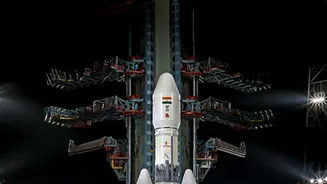
India's space ambitions are no longer just about launching rockets; they are about interpreting the vast amounts of data sent back to Earth. The country's space economy, projected to grow more than five-fold to USD 44 billion by 2033, is creating a massive
demand for tech professionals. This growth, fueled by both the Indian Space Research Organisation (ISRO) and over 400 private startups, means the most critical roles are increasingly in software, data analytics, and artificial intelligence. From designing mission-critical flight software to analyzing satellite imagery for climate change patterns, code and data are the new cornerstones of space exploration. This digital transformation is creating thousands of specialised jobs and turning the space sector into a hotbed for IT talent.
Software and Systems Engineers
Software engineers in the space sector build the digital backbone for every mission. Their work includes developing flight software for launch vehicles and satellites, creating complex simulation environments for testing, and building the ground control systems that manage missions. A deep understanding of programming languages like C, C++, and Python is essential. Experience with real-time operating systems (RTOS) and embedded systems is highly valued, as the software must function flawlessly in harsh environments. Both ISRO and private players like Skyroot Aerospace and Agnikul Cosmos actively hire for these roles, seeking engineers who can write robust, efficient, and reliable code that can withstand the ultimate test of space.
Data Scientists and Analysts
Space missions generate terabytes of data daily, from Earth observation images to telemetry from distant spacecraft. Data scientists and analysts are the ones who turn this raw data into meaningful insights. They use machine learning models to analyze satellite data for applications like agricultural yield prediction, disaster management, and urban planning. Key skills for this domain include proficiency in Python and its data science libraries (like Pandas and Scikit-learn), expertise in machine learning, and experience with geographic information systems (GIS). Companies such as Pixxel, which focuses on hyperspectral imaging, and SatSure, which provides climate analytics, are major private-sector employers for data specialists.
AI and Advanced Computing Specialists
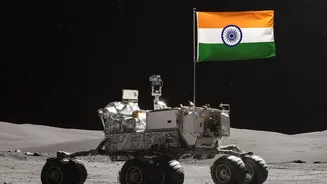
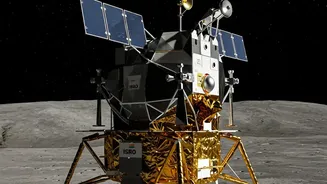
Artificial intelligence (AI) and machine learning (ML) are revolutionizing space technology, and specialists in these fields are in high demand. These experts develop algorithms for autonomous navigation for rovers, predictive maintenance of spacecraft, and automated data processing. For instance, AI was used to help plan the rover's path during the Chandrayaan-3 mission. Roles often require a Master's or PhD in a related field and experience with deep learning frameworks like TensorFlow or PyTorch. These jobs involve working on some of the most advanced challenges, such as enabling autonomous robotic missions and managing space traffic to prevent collisions. ISRO has been increasingly leveraging AI, often in collaboration with IITs, while startups like Digantara focus on space surveillance and intelligence.
Where to Find These Jobs: ISRO vs. Startups
Career paths in India's space sector are split between the government and a fast-growing private ecosystem. A job at ISRO offers immense prestige, job security, and the chance to work on national missions. Entry is typically through the highly competitive ICRB exam or direct recruitment from the Indian Institute of Space Science and Technology (IIST). On the other hand, private startups like Skyroot, Pixxel, Agnikul, and Dhruva Space offer faster career growth, competitive salaries, and significant equity options. These startups are hiring aggressively and often look for engineers with hands-on experience and a willingness to take ownership in a fast-paced environment. While a degree from an elite institution is valued, these companies also hire from NITs and other strong engineering colleges.
Building Your Skillset
To enter this field, a B.Tech in Computer Science, Electronics, or a related engineering discipline is the standard entry point. For data science and AI roles, a Master's or even a PhD is often preferred. Beyond degrees, practical skills are crucial. Aspiring candidates should build a portfolio of projects, contribute to open-source software, and gain hands-on experience with relevant tools. For software roles, mastering C++, Python, and Linux is key. For data-focused careers, proficiency in machine learning frameworks, GIS software, and big data technologies is vital. Internships and participating in competitions like CubeSat projects can significantly boost your resume for both ISRO and private sector roles.