




Choose Hardy, Low-Maintenance Plants
The single most important decision for an easy-care garden is plant selection. Instead of delicate varieties, opt for resilient plants that are well-suited to India's climate. For sunny, hot terraces, bougainvillea, hibiscus, portulaca (moss rose), and
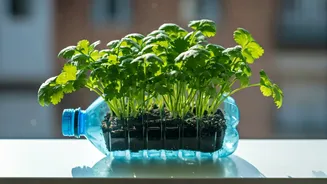
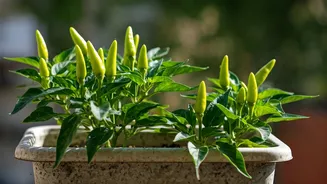
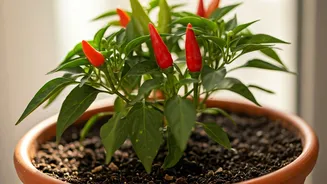
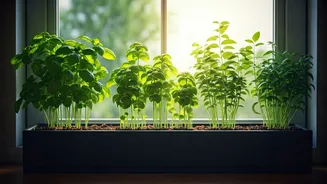
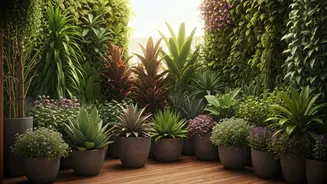
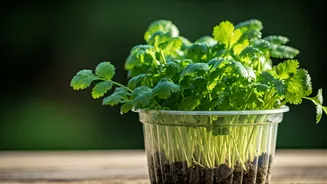
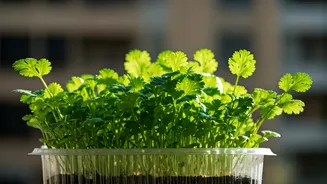
adenium (desert rose) are excellent choices that thrive on heat and sunlight. [3, 28] If you want greenery with minimal fuss, snake plants, aloe vera, jade plants, and money plants (pothos) are famously low-maintenance and tolerate a range of conditions. [4, 15] For edible options, chilli plants are virtually indestructible, while herbs like mint, tulsi, and lemongrass grow quickly with little care. [6, 13] Starting with plants that are naturally tough and adapted to your environment eliminates half the battle.
Work Smarter, Not Harder, with Watering
Watering is often the most time-consuming garden chore, but modern solutions can automate it. Self-watering planters are a game-changer for terrace gardens. [19] These pots have a built-in reservoir that supplies moisture to the plant's roots as needed, reducing the frequency of watering to perhaps once a week. [12, 31] For a larger garden, a drip irrigation kit is a worthy one-time investment. [32, 35] These systems deliver water directly to the base of each plant, saving up to 70% of water and ensuring consistent moisture without daily effort. [32] Even a simple, ancient technique using buried unglazed clay pots, known as 'ollas', can provide a slow, steady supply of water to the root zone, drastically cutting down watering time. [24]
Use a Lightweight, High-Quality Potting Mix
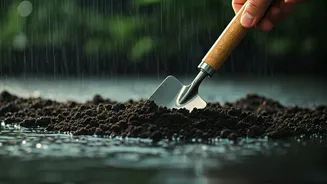
Lugging heavy bags of garden soil to the terrace is strenuous and ineffective. Standard garden soil is too dense for containers, compacts easily, and drains poorly, leading to root rot. [13, 16] A far better, and lighter, option is a soilless potting mix. [25] A typical recipe combines equal parts cocopeat (for moisture retention), compost or vermicompost (for nutrients), and perlite or sand (for drainage). [14, 17, 21] This blend is airy, holds the right amount of water, and is significantly lighter, making pots easier to handle. [16, 29] Investing in a good potting mix from the start promotes healthier roots and reduces problems down the line, saving you effort in the long run. [14]
Embrace the Magic of Mulching
Mulching is the simple practice of covering the top layer of soil in your pots with organic material like wood chips, dried leaves, or sugarcane bagasse. This is one of the easiest and most effective low-effort gardening hacks. A layer of mulch dramatically slows down water evaporation from the soil, which is crucial during hot Indian summers. [2, 5] This means you'll need to water less frequently. Mulch also suppresses weed growth, saving you the tedious task of weeding. [7] Furthermore, it helps regulate soil temperature, keeping roots cooler in summer and warmer in winter, and prevents soil from eroding or crusting over from the impact of watering. [2, 10]
Bigger Pots are Better (and Easier)
While small pots may seem convenient, they dry out extremely quickly, demanding constant attention. Larger pots and containers hold more soil volume, which means they can retain moisture for much longer. [27] This allows you to go longer between waterings. Bigger pots also give plant roots more room to grow, leading to healthier, more resilient plants that are better able to withstand stress from heat or drought. Choosing lightweight grow bags or plastic pots over heavy cement ones also reduces the structural load on your terrace and makes them easier to move if needed. [15]