








The Challenge You Choose to Accept
The 'no-spend weekend' is a simple but powerful concept. From Friday evening to Sunday night, you commit to not spending any money on non-essential items. No Zomato orders, no impulse shopping on Myntra, no movie tickets. For years, this was a personal
challenge shared within frugal living communities online. Now, fintech companies have spotted the trend and are baking it directly into their apps. By formalising the challenge, they provide structure, accountability, and a sense of community. Instead of just trying to remember your goal, the app does it for you, often with visual cues and reminders that keep you on track.
How Gamification Unlocks Your Savings
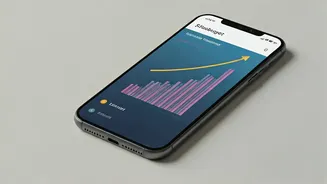
The secret ingredient is 'gamification'—using game-like elements in non-game contexts. Think about your favourite mobile game. You have points, levels, badges for achievements, and maybe a leaderboard to see how you stack up against friends. Finance apps are now applying these same mechanics to your money. A no-spend weekend might earn you a special badge, 'reward points' within the app (like CRED coins), or help you maintain a 'streak'. Some apps use visual progress bars that fill up as you save, giving you that satisfying sense of completion. It’s a clever psychological trick that reframes saving from an act of deprivation to an act of achievement.
The Psychology Behind the Game
Why does this work so well? It taps into basic human psychology. Our brains are wired to respond to rewards and positive reinforcement. When you successfully complete a challenge and see a digital badge pop up, your brain releases a small amount of dopamine, the 'feel-good' chemical. This creates a positive feedback loop: you feel good for saving, which makes you want to save more. These challenges break down a large, intimidating goal like 'save more money' into small, manageable, and rewarding steps. Completing a two-day challenge feels much more achievable than trying to stick to a strict monthly budget, even though the former helps you achieve the latter.
Where to Find These Features in India
While not every app has a button labelled 'No-Spend Weekend', the principles are widely used across India's top fintech platforms. Apps like Fi and Jupiter encourage users to set up 'Jars' or 'Pots' for specific savings goals, with features that nudge you to add money and celebrate milestones. CRED's reward system, which offers coins and jackpots for paying bills, is a prime example of gamifying a routine financial task. Other platforms are experimenting with group savings challenges, where you and your friends can work towards a common goal, adding a layer of social accountability. The core idea is the same: use engagement and rewards to build better financial habits.
Is It a Gimmick or a Game-Changer?
Critics might argue that turning finance into a game could trivialize the serious nature of money management. There's a risk that users might focus more on collecting badges than understanding their underlying financial health. However, the proponents have a strong case. For a generation that grew up online and is accustomed to interactive digital experiences, these gamified features make personal finance more accessible and less intimidating. They act as a gateway, drawing users in with fun challenges and then, ideally, educating them about more complex topics like investing and budgeting. The key is balance—using the game to build the habit, not to replace genuine financial literacy.