

The Majestic Western Cliffs
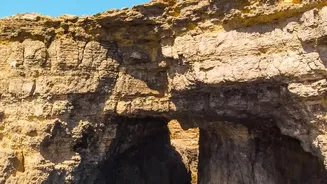
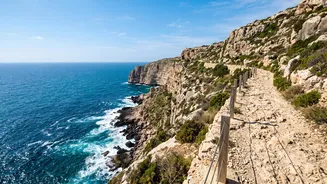
The west coast of Malta is defined by the formidable Dingli Cliffs, the highest point on the island. For cyclists, this translates to one thing: challenging climbs with spectacular rewards. Routes here are not for the faint of heart, involving steep inclines
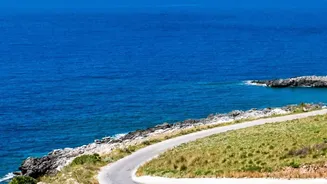
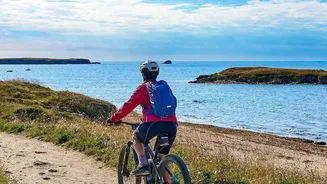
that test your endurance. But the effort is repaid with unparalleled panoramic views of the Mediterranean and the small, uninhabited island of Filfla. A popular route runs from the medieval city of Mdina to Dingli, a relatively short but hilly ride that combines history with breathtaking natural scenery. The roads are rural and can be quiet, but require confidence. The landscape is rugged and windswept, offering a sense of raw, untamed nature that feels a world away from the bustling tourist hubs. This is where you come to push your limits and be rewarded with some of the most dramatic coastal vistas in the archipelago.
The Sheltered Northern Bays
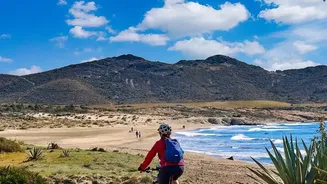
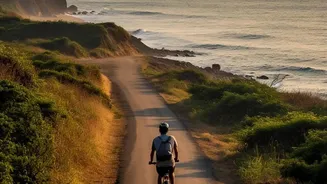
In contrast to the wild west, Malta's northern coast offers a gentler, more leisurely cycling experience. This region is home to some of the island's most popular sandy beaches, including Golden Bay and Mellieħa Bay. The itineraries here are characterized by rolling hills that descend towards sparkling blue waters, creating perfect opportunities for a mid-ride swim. A route from Rabat to Golden Bay takes you through the island's agricultural heartland before opening up to the coast. While still hilly, the terrain is generally more forgiving than the western cliffs. These routes are ideal for riders looking to combine a good workout with beach relaxation, offering a classic sun-and-sea cycling adventure.
The Historic Eastern Harbours
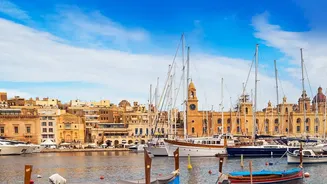
Cycling along the eastern coast is a journey through time. The routes here are defined by the Grand Harbour, encircling the capital city of Valletta and the historic Three Cities of Vittoriosa, Senglea, and Cospicua. This is coastal cycling of a different kind: urban, historic, and steeped in maritime heritage. The itineraries often involve weaving through narrow limestone streets, past grand fortifications, and along waterfront promenades bustling with activity. A ferry can take you and your bike across the harbour, connecting Valletta with the Three Cities and allowing you to explore their ancient, cobbled lanes. While the terrain is generally gentle, the urban environment presents its own challenges. This is where history, not just geography, shapes your ride.
Gozo's Ancient Salt Pans
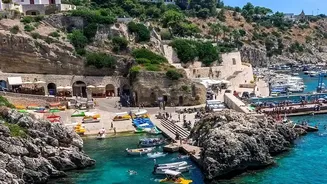
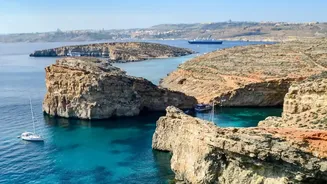
A short ferry ride away, Malta's sister island, Gozo, offers a more tranquil cycling environment with quieter roads. Its northern coast is particularly unique, featuring a flat, scenic route along the Xwejni salt pans. These centuries-old, rock-cut pools create a stunning chequerboard landscape right by the sea. Cycling here is a serene and almost otherworldly experience, especially in the late afternoon light. The route, which can run from the resort town of Marsalforn past Xwejni Bay, is one of the flattest coastal rides in the archipelago, making it accessible for most fitness levels. It offers a fascinating glimpse into a traditional way of life, where the land and sea have been working in harmony for generations.
Navigating the Maltese Coast
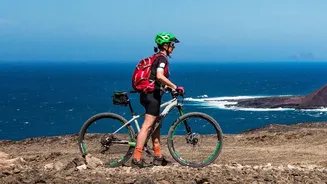
While the coastline provides a stunning backdrop, it also presents practical challenges. Malta is hilly, and even short routes can involve steep inclines. Traffic can be heavy, particularly on the main island and during peak tourist season, and road surfaces are not always in the best condition. For these reasons, many experienced riders find Gozo to be a more relaxing cycling destination due to its lighter traffic. Regardless of where you ride, planning is key. The best times to cycle are in the milder spring and autumn months to avoid the intense summer heat. Using an e-bike can make the hills more manageable, and sticking to quieter, rural roads or newly established cycle lanes can significantly improve the experience.