


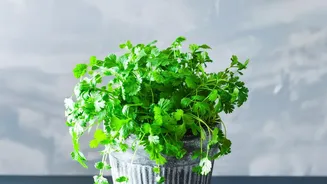
Monsoon Gardening 101: Drainage is Everything
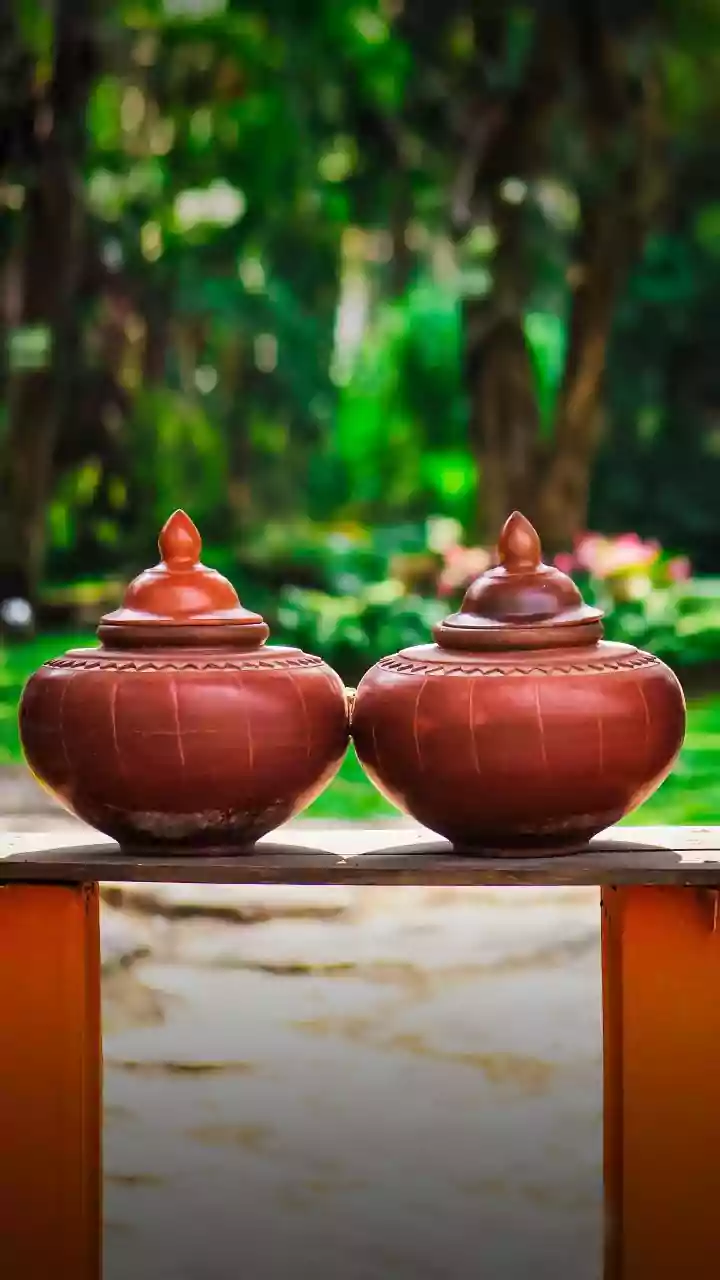
The single most important rule for monsoon container gardening is ensuring excellent drainage. Constant rain can quickly lead to waterlogged soil, which suffocates plant roots and invites fungal diseases like root rot. Before you plant, choose pots with
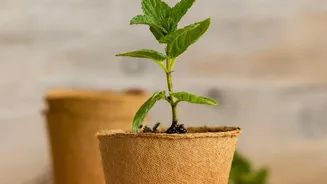
multiple drainage holes. Terracotta pots are an excellent choice as their porous nature helps soil breathe. Elevate your pots using bricks or plant stands to ensure water can escape freely and doesn't pool in the saucer underneath. For your potting mix, avoid using heavy garden soil alone. A light, well-aerated mix is crucial. Combine garden soil with equal parts cocopeat and compost, and add a handful of coarse sand to improve its structure and prevent compaction from heavy rains.
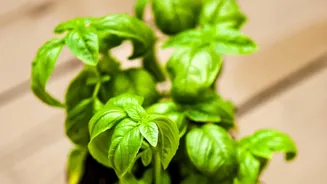
Growing Basil: The Sun Worshipper
Basil loves the sun but despises wet feet, making it a tricky plant during the monsoon. It's highly susceptible to fungal diseases like gray mold and downy mildew in humid, damp conditions. Place your basil pot where it will receive at least 4-5 hours of sunlight but is shielded from the heaviest downpours, perhaps under an overhang. Good air circulation is key, so don't crowd it with other plants. Water only when the top inch of soil feels dry to the touch; the rain will likely handle most of the watering for you. Be vigilant about pests like aphids and slugs, which thrive in moist weather. Regularly check the undersides of leaves and prune any yellowing or spotted foliage immediately to prevent disease from spreading.
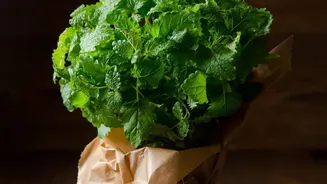
Growing Mint: The Moisture Lover
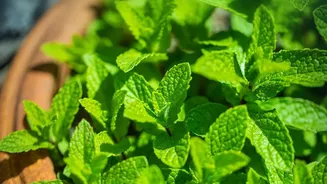
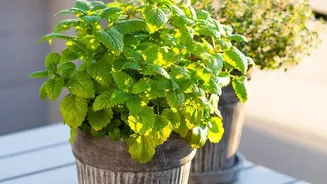
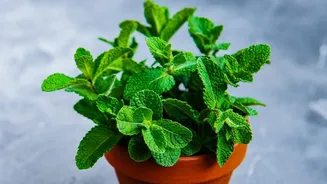
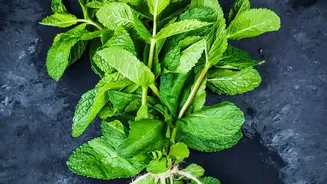
Mint, or pudina, is one of the easiest herbs to grow and it genuinely enjoys the moist conditions of the monsoon. It thrives in the increased humidity and will grow vigorously during this time. However, even this water-loving herb can suffer from root rot if left in stagnant water. Ensure its container has excellent drainage and the soil is kept consistently moist but never waterlogged. Mint has a tendency to spread rapidly through runners. Growing it in a dedicated, wide container is the best way to keep it from taking over your entire balcony garden. Harvest your mint regularly by pinching off the top stems; this encourages bushier growth and provides you with a constant supply for your monsoon chai and chutneys.
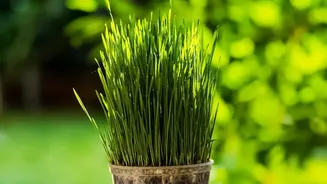
Growing Lemongrass: The Rain-Fed Giant
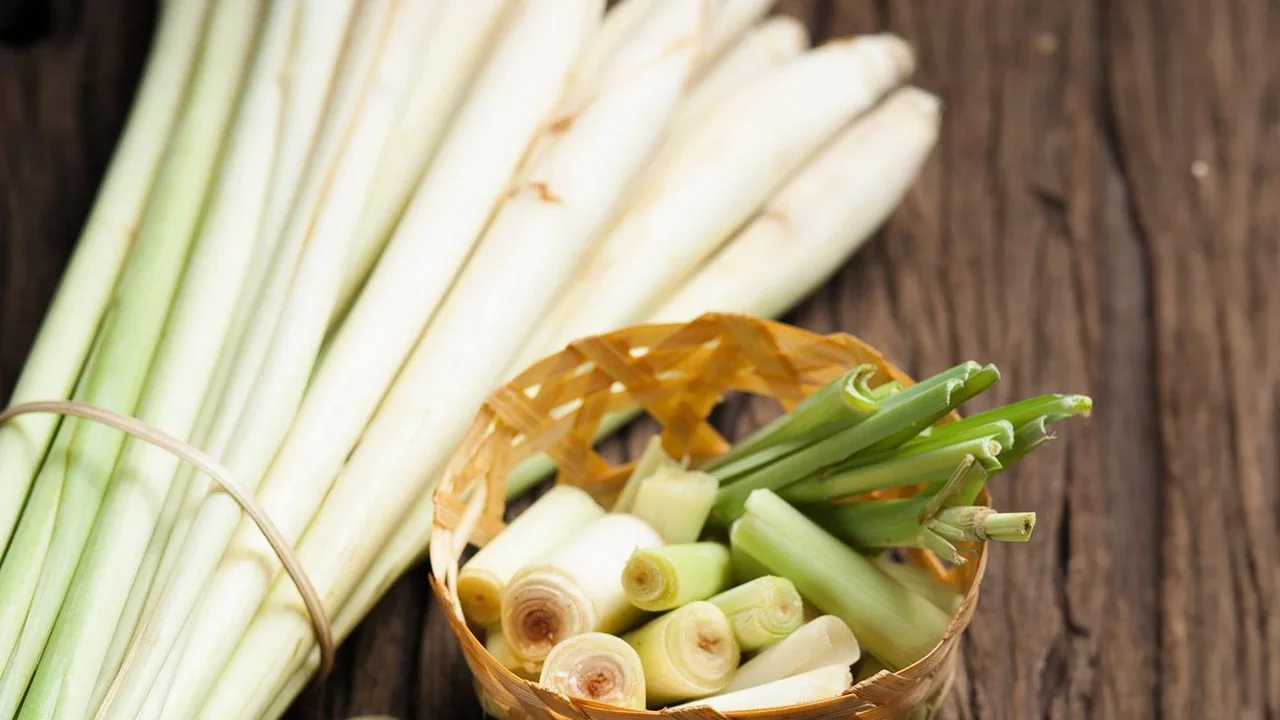
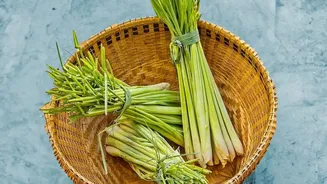
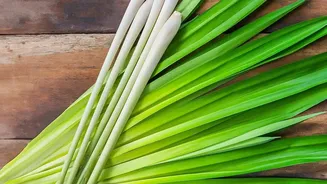
Lemongrass is a tropical grass that flourishes in the warm, humid, and wet conditions of the Indian monsoon. While it loves rain, growing it in a container requires some management. Choose a large, deep pot (at least 5 gallons) to accommodate its substantial root system and eventual size. Though it's a heavy drinker, the pot must have good drainage to prevent the roots from rotting. A potting mix of soil and rich organic compost works best. Lemongrass is a heavy feeder, so you can supplement with a balanced organic fertiliser once a month. Position it in a spot that gets full sun, and it will reward you with fragrant stalks perfect for flavouring soups, teas, and curries all season long.
Monsoon Care and Pest Control
The high humidity of the rainy season creates a perfect breeding ground for pests and fungal diseases. To protect your herbs, space your pots to improve air circulation and allow leaves to dry faster. Get into the habit of checking your plants weekly for common pests like aphids, mealybugs, and slugs. A simple spray of neem oil solution can be an effective preventive measure. During the monsoon, plants grow fast and can become leggy. Prune them regularly to maintain a good shape and encourage healthier, bushier growth. Finally, avoid fertilising too often. Excess nutrients combined with waterlogged soil can harm the roots. A light feed of organic compost every few weeks is more than enough.