
What Exactly Is a Dark Sky Reserve?
A Dark Sky Reserve is an area recognised for its exceptionally starry nights, which is protected for scientific, natural, educational, and public enjoyment. The designation, officialised for Hanle in December 2022, isn't just a label; it’s a commitment.
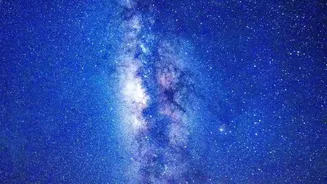
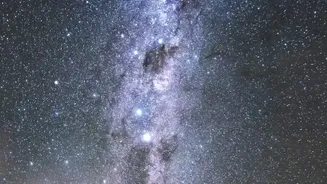
It involves a partnership between scientists, local authorities, and the community to minimise artificial light pollution. This means enforcing strict rules about outdoor lighting, such as using shielded fixtures and warm-toned bulbs, and even limiting high-beam headlights on vehicles passing through the area. The goal is to preserve a pristine nocturnal environment, allowing the Milky Way and distant galaxies to be seen with the naked eye, a sight now lost to most of the world. Hanle’s reserve covers a 22-kilometre radius within the Changthang Wildlife Sanctuary.
Why Hanle Was the Perfect Choice
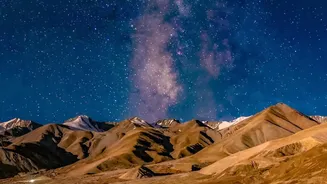
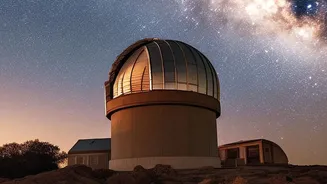
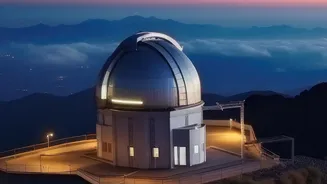
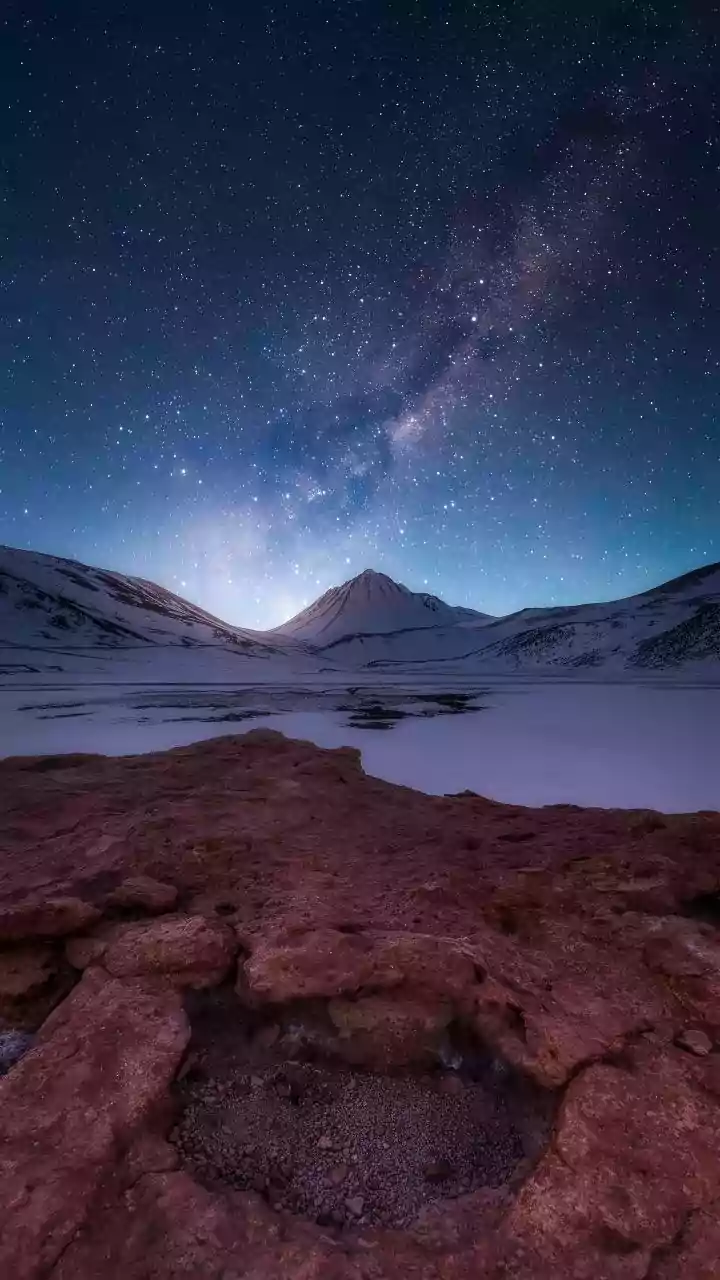
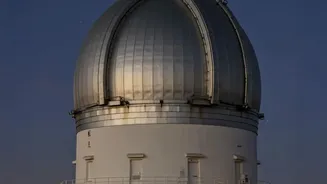
Long before it was a designated reserve, Hanle was on the radar of astronomers. The Indian Institute of Astrophysics (IIA) established the Indian Astronomical Observatory (IAO) here back in 2001 for several key reasons. Located at a staggering altitude of 4,500 metres (nearly 15,000 feet), the air is incredibly thin, cold, and dry. Moisture in the atmosphere absorbs light from distant stars, but Hanle’s arid environment means cosmic light reaches telescopes with minimal interference. The region also lies in a rain-shadow area of the Himalayas, resulting in over 270 clear, cloud-free nights per year, making it one of the best locations on the planet for observing the universe. This combination of high altitude, dry air, and clear skies gives it a Bortle Class 1 rating—the darkest sky possible.
A Frontier for Indian Science
The Hanle Dark Sky Reserve is, first and foremost, a victory for science. The IAO is not just one telescope; it's a world-class facility housing multiple instruments, including the 2-metre Himalayan Chandra Telescope and the GROWTH-India telescope. These powerful tools are used to study everything from distant galaxies and gamma-ray bursts to cosmic rays. Protecting the area from light pollution is crucial for this research. Even faint artificial light can blind sensitive instruments, ruining observations that scientists wait months to conduct. By preserving the natural darkness, India ensures that its premier high-altitude observatory can continue to make significant contributions to global astronomy, operating at its full potential without the creeping threat of urban glow.
Stargazing, Tourism, and a New Economy
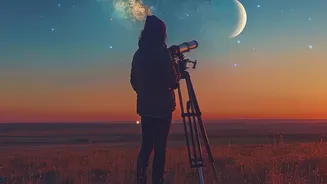
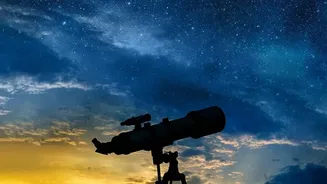
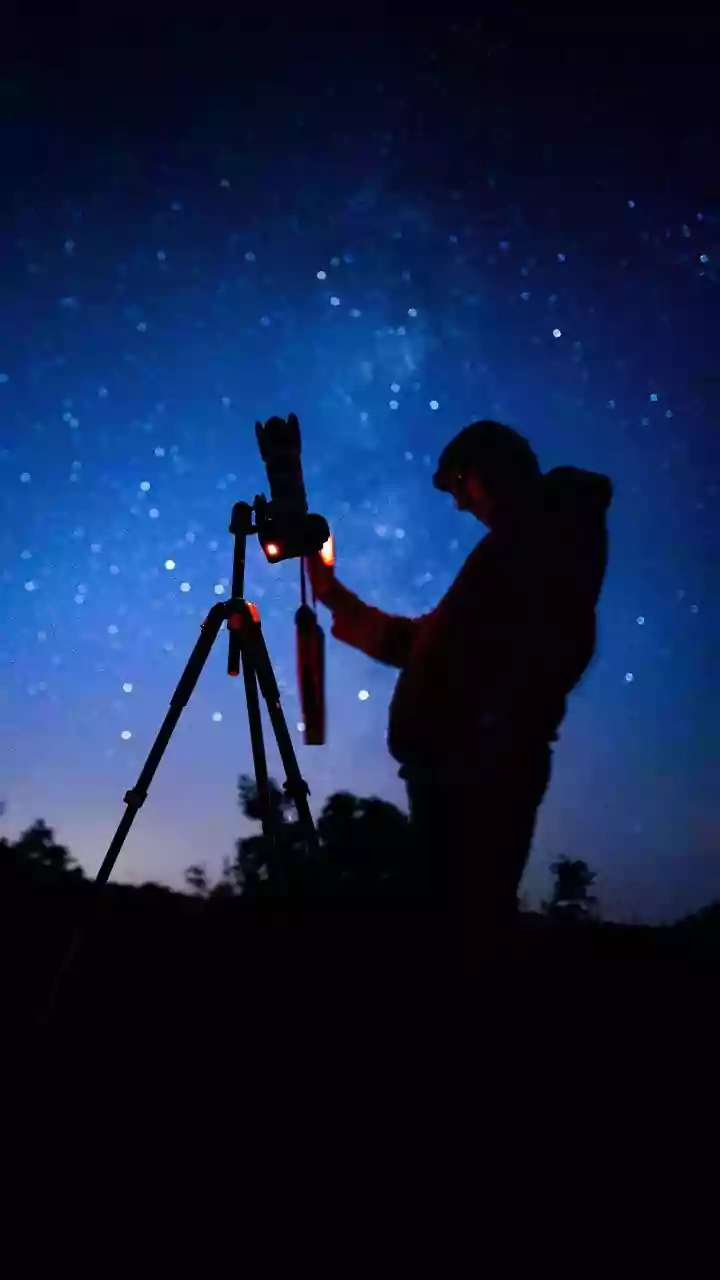
Beyond the scientific imperative, the reserve is creating a unique and sustainable economic model for the local Changpa community. The initiative is pioneering astro-tourism in India, attracting travellers who come for the mountains but stay for the stars. Through a collaboration between the IIA and local councils, residents are being trained as 'Astronomy Ambassadors'. Dozens of locals, many of them women, have been equipped with telescopes and trained to guide tourists through the cosmos, explaining constellations and pointing out celestial wonders. This provides a new source of income that is directly tied to preserving the environment. Visitors stay in local homestays that follow dark sky-compliant lighting rules, ensuring that tourism growth doesn't compromise the very darkness that makes Hanle special.
Your Window to the Universe
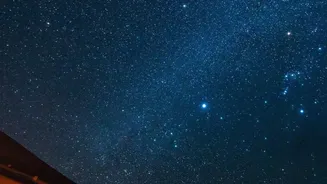
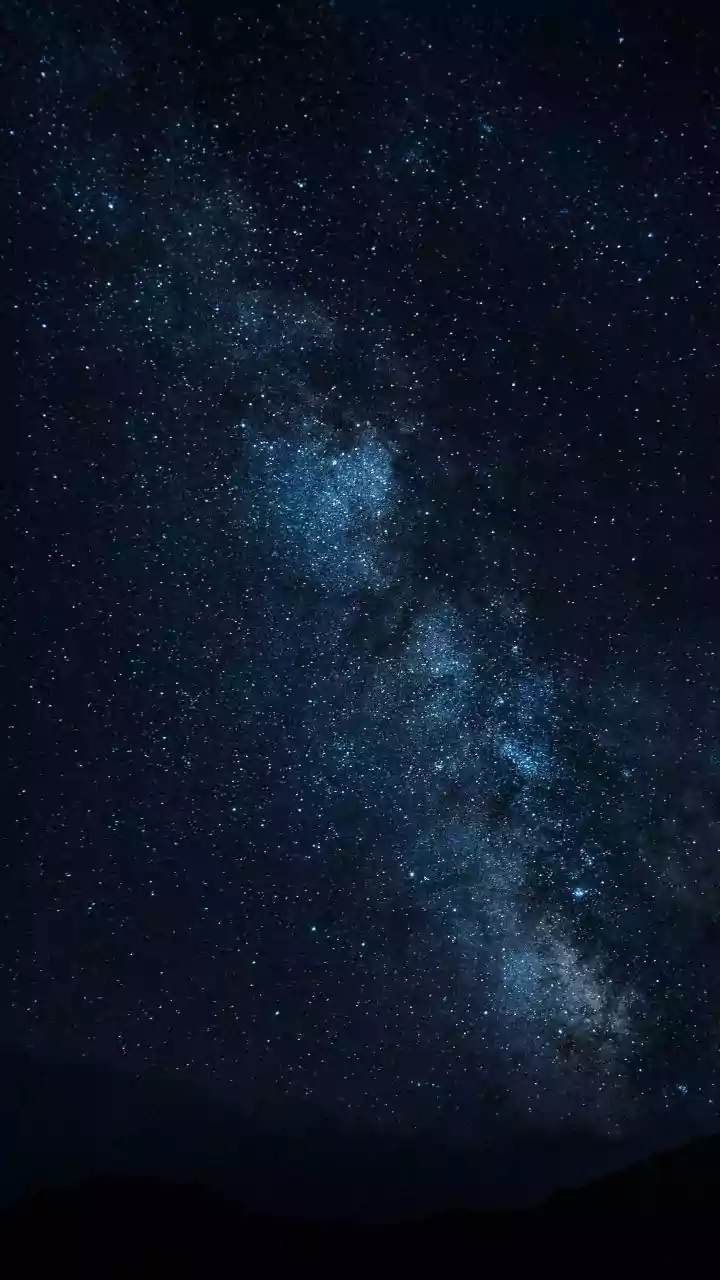
For travellers, Hanle offers an experience unlike any other in India. On a clear, moonless night, the Milky Way can be so bright it casts a faint shadow on the ground. The Andromeda Galaxy, our nearest major galactic neighbour, is visible as a faint smudge to the naked eye—a humbling sight. While visitors cannot access the research telescopes at the IAO at night, the trained local guides with their own powerful telescopes provide incredible stargazing sessions. Planning a trip requires some effort: visitors need to obtain permits and must spend at least two days acclimatising to the high altitude in Leh before making the 8-10 hour journey to Hanle. But for those who make the trip, the reward is a profound connection to the cosmos, seeing the night sky as our ancestors did for millennia.