



Jharkhand’s Emerging Natural Treasure
Sevati Valley, also known as Suti Ghati, is rapidly gaining fame as a must-visit destination, particularly during the monsoon. Located in the Kasmar block of Bokaro district, about 50 kilometres from the district headquarters, this scenic valley is situated
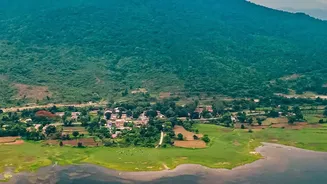
along the Jharkhand-West Bengal border. For years, it remained a local secret, but a combination of social media buzz and the sheer beauty of its seasonal transformation has put it on the travel map. Recent reports from August 2026 highlight a significant increase in visitors, drawn by images of its spectacular landscapes. The valley's appeal lies in its raw, untouched feel, offering a serene escape into nature. Local leaders have taken notice, urging authorities to develop basic tourism infrastructure to support the growing interest.
A Monsoon-Fed Wonderland
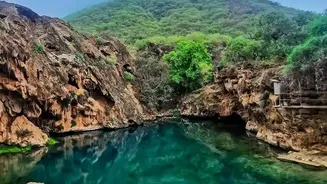
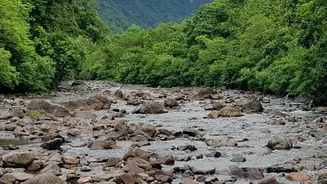
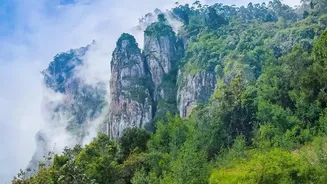
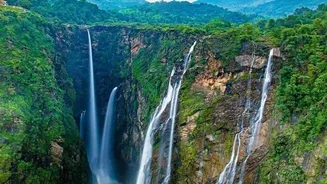
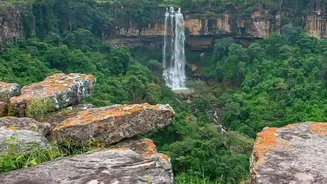
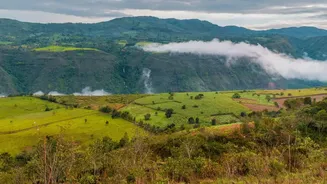
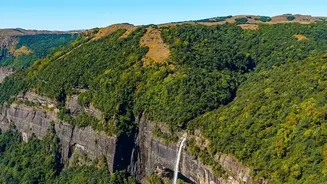
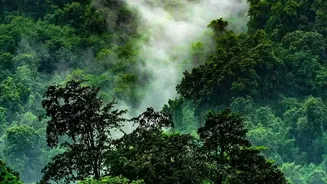
While many travel spots are best visited in winter, Sevati Valley’s magic peaks with the arrival of the monsoon. Steady rains transform the area into a vibrant green paradise. The valley’s main attraction is a gushing waterfall that cascades down the lush hills, creating a stunning visual spectacle. This year, the rainfall has made the waterfall and its surroundings particularly breathtaking. The entire landscape is enveloped in mist, with cloud-covered hills and numerous small streams enhancing the region's natural charm. Motorists are often seen pulling over simply to absorb the view of the white cascade against the dense greenery, a testament to its captivating beauty during this season.
The Scenic Drive and Main Attractions
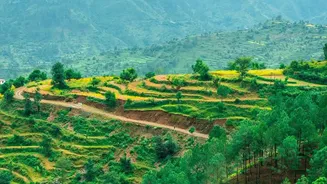
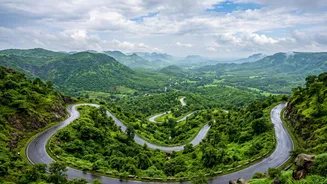
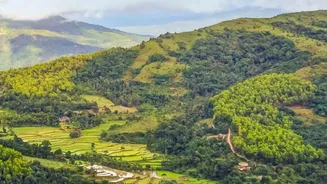
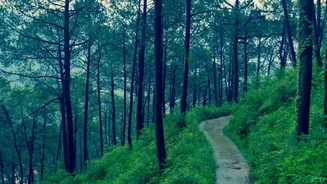
Much like the more famous Patratu Valley near Ranchi, the journey to Sevati is an experience in itself. The drive features winding roads that curve through hills, offering panoramic views at every turn. These routes have become a favourite for photographers and selfie-takers looking to capture the perfect shot of the dramatic landscape. Beyond the drive, the main attractions are the waterfall, the serene environment, and the opportunity for some light trekking. The hills of Sevati Valley are suitable for walks, allowing visitors to immerse themselves in the quiet, natural atmosphere. It’s a perfect spot for a day picnic with family and friends, surrounded by fresh air and calming sounds of nature.
How to Plan Your Visit
Sevati Valley is most accessible by road. The nearest major town is Bokaro, which is well-connected by train and road. From Bokaro city, it is approximately a 49-50 km drive to the valley in Kasmar block. The nearest airport is the Birsa Munda Airport in Ranchi. While the traditional best time for tourism in the broader region is often cited as October to March, for the specific experience of seeing Sevati in its full glory, the monsoon months are unparalleled. If you plan to visit, be prepared for rain. Carrying rain gear and wearing sturdy footwear with good grip is essential, as paths can be slippery. While the area is gaining popularity, amenities are still developing, so it’s wise to bring your own water and snacks for the trip.