






The Spectacle of the Silver Screen
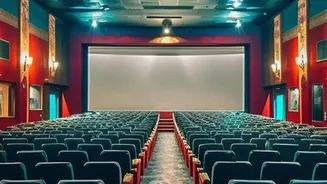
There’s an undeniable magic to the cinema that a home setup struggles to replicate. It’s a collective, immersive event. The cavernous, dark room, the giant screen that fills your entire field of vision, and a sound system that makes your seat vibrate
are all designed for one purpose: total surrender to the story. This is the natural home for spectacle-driven films—the VFX-heavy blockbusters and epic period dramas that demand scale. Watching a grand battle sequence or a visually stunning landscape unfold on a 70-foot screen is an experience of awe. It’s also a social ritual. The shared gasps, laughter, and applause of a full auditorium create a unique communal energy. Going to the movies is an outing, an event you plan for, making the film itself feel more significant.
The Comfort and Control of Your Couch
Over-the-top (OTT) platforms offer a different kind of luxury: ultimate control and convenience. The power to watch what you want, when you want, is a game-changer. You can pause for a snack break, rewind to catch a missed line of dialogue, and watch at your own pace. This personal, on-demand culture has reshaped viewing habits. The cost-effectiveness is another major draw; a yearly subscription often costs less than a single family outing to the multiplex. This accessibility has made a vast library of content available to viewers who might have been deterred by ticket prices or travel. Moreover, features like watch parties allow for a new kind of social viewing, connecting friends and family across distances.
A Kingdom Divided by Content
The fundamental difference between the two platforms is becoming evident in their content strategies. Theatres are increasingly becoming the domain of the ‘event film’—large-scale productions that justify the premium ticket price. Meanwhile, OTT has become a haven for stories that might not have found a place in mainstream cinema. Streaming services have championed a creative renaissance, offering a platform for niche genres, bold narratives, and character-driven long-form series. This has been particularly transformative for regional Indian cinema, giving storytellers from across the country a pan-Indian, and even global, audience. OTT has democratised content, providing a lifeline for independent filmmakers and amplifying voices previously confined to their local regions.
The Evolving Release Window
The once-rigid timeline from theatrical release to digital premiere has become a key battleground. After a period where films moved to streaming within a few weeks, the industry is now seeing a push back. Many studios and theatre chains are re-establishing a longer, exclusive theatrical window of around eight weeks. This shift is driven by the realisation that a successful box office run often creates significant buzz and anticipation for a film's eventual OTT launch. Theatrical performance still acts as a powerful marketing tool and a benchmark for a film's success. Direct-to-digital premieres have seen a sharp decline as the industry reverts to a theatre-first model, reaffirming the cinema's role in establishing a film's cultural and commercial value.
A Future of Coexistence, Not Competition
Rather than one replacing the other, the future seems to be one of coexistence where each platform serves a different need. Theatres will continue to be the destination for premium, large-scale cinematic events that thrive on a communal experience. OTT platforms will be the home for a diverse array of storytelling, from long-form series to experimental films, offering unparalleled variety and personalisation. This hybrid model allows a film to benefit from the prestige and revenue of a theatrical run before reaching a wider audience on streaming. The screen may have become smaller and more personal for daily viewing, but the appetite for the grand, shared experience of cinema remains, ensuring both have a place in our entertainment landscape.