

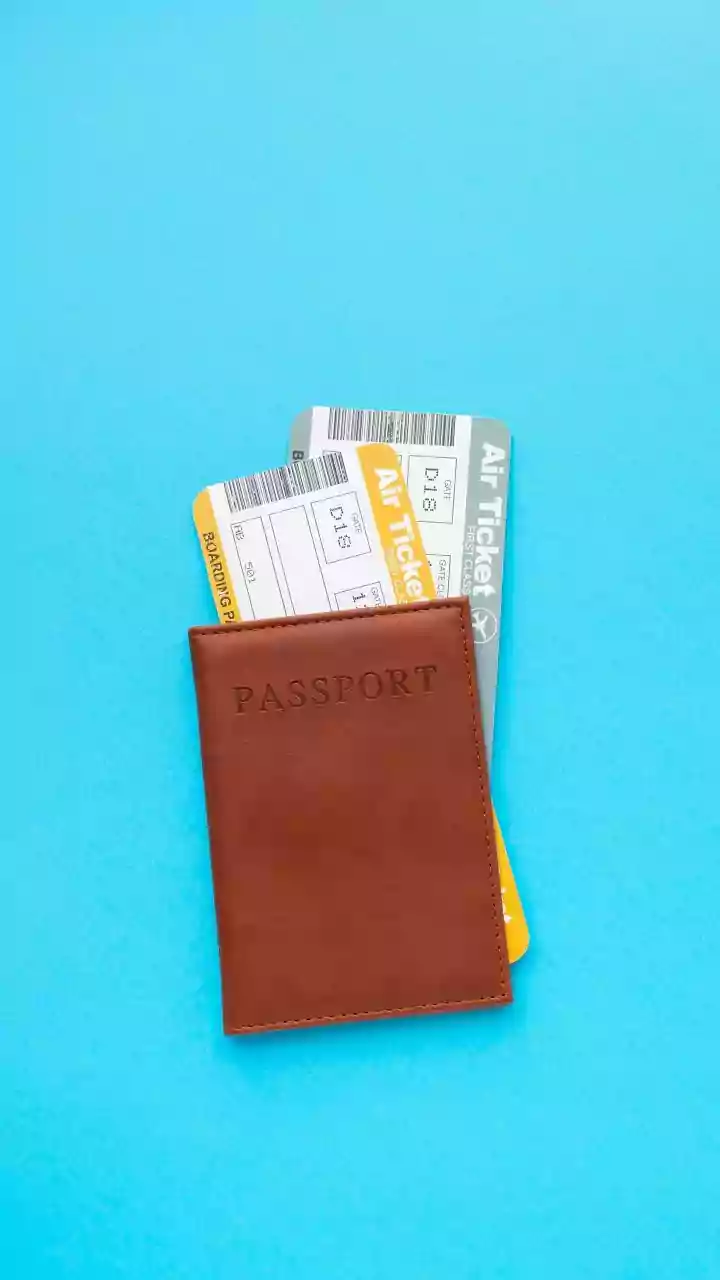





The End of an Era: Visa Rules Have Changed
For much of the past couple of years, Indian passport holders enjoyed a generous visa-free entry scheme, allowing for stays of up to 60 days. However, as of mid-2026, Thailand's cabinet has restructured its immigration policies. The previous long-stay,
visa-free window has been closed. Instead, policies have shifted, and while there has been some back and forth, the latest official guidelines require careful attention. Conflicting reports in May, June, and July 2026 caused confusion, with initial announcements suggesting a return to a paid Visa on Arrival (VoA), followed by a cabinet decision to grant a 30-day visa exemption. It is crucial for travellers to verify the absolute latest rule from the Royal Thai Embassy before booking, as the situation has been fluid.
Your New Digital To-Do: The TDAC Form
Regardless of your visa status, one new step is now mandatory for all foreign travellers: the Thailand Digital Arrival Card (TDAC). This online form completely replaces the paper-based TM6 arrival/departure card that was previously handed out on flights. The TDAC must be completed online within 72 hours before your arrival in Thailand. The process is free and can be done on the official immigration website. You will need to provide your passport details, flight number, and the address of your first night's accommodation. After submitting the form, you will receive a QR code, which you must save on your phone to present to the immigration officer upon landing. Failing to complete this step can lead to significant delays at the airport.
What to Expect at Immigration
Even with your digital paperwork in order, Thai immigration officials may ask for supporting documents. Being prepared is the best way to ensure a hassle-free entry. Keep these items accessible: your passport with at least six months of validity, a printed or digital copy of your confirmed return flight ticket, and proof of your hotel bookings for the duration of your stay. Additionally, officials retain the right to ask for proof of sufficient funds for your trip. The generally accepted amount is 10,000 Thai Baht per person or 20,000 Baht per family, which you should be able to show in cash or have accessible.
Navigating Visa Options: E-Visa vs. Visa on Arrival
Depending on the final, gazetted rules, your two main entry options will likely be a pre-arranged tourist e-visa or a Visa on Arrival (VoA). The VoA, if applicable, typically allows for a shorter stay of around 15 days and requires payment of a fee (historically around 2,000 THB) in cash at the airport. For those planning a longer trip, applying for a 60-day tourist e-visa online before you leave India is the recommended path. This not only grants a longer stay but also allows you to bypass the potentially long VoA queues at the airport. The e-visa application is handled through the official Thai e-Visa government portal.
Common Mistakes to Avoid
The biggest source of confusion for travellers since the new rules came into effect has been assuming visa-free means declaration-free. Every traveller must complete the TDAC. Another common pitfall is waiting until the last minute. While the TDAC can only be filed within 72 hours of arrival, don't leave it until you're at the boarding gate. Complete it a day or two before you fly. Also, be wary of unofficial websites that charge a fee for TDAC submission; the official process is free. Finally, double-check that your passport name and number entered into the TDAC system exactly match your travel documents to avoid any mismatch at the immigration counter.