
Why Monsoon is a High-Risk Season
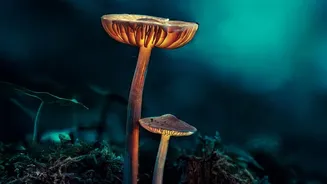
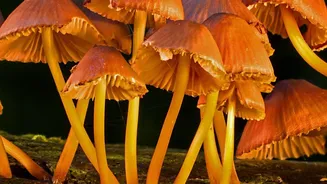
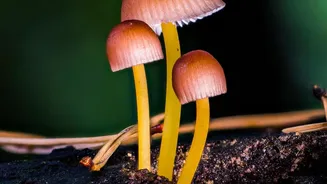
The same damp, humid conditions that allow delicious edible mushrooms to flourish are also perfect for their toxic cousins. During the monsoon, wild mushrooms spring up abundantly in forests, fields, and even backyards, making accidental consumption a serious
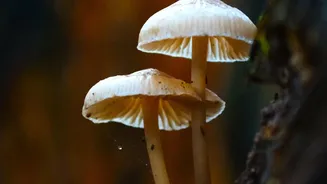
risk. Incidents of mushroom poisoning see a sharp increase during this time, with health departments frequently issuing public warnings. The main danger lies in misidentification; many poisonous species look strikingly similar to edible ones, and it's a mistake even experienced foragers can make. These toxic look-alikes can cause everything from severe stomach issues to liver failure and, in some cases, death.
The Foraging Fallacy: Never Assume
The single most important rule is to never eat a wild mushroom unless you are 100% certain of its identification by an expert. Many old myths about identifying poisonous mushrooms are dangerously untrue. For example, the belief that poisonous mushrooms are always brightly coloured, taste bad, or can be detoxified by cooking or boiling is false. Some of the deadliest mushrooms, like the Death Cap (Amanita phalloides), are unassuming in appearance and have no distinct taste or smell to warn you of their potent toxins, which are not destroyed by heat. Relying on folklore or unverified identification apps can have devastating consequences. The safest approach is to assume no wild mushroom is safe to eat and leave foraging to the experts.
Sourcing Safely: Your Best Defence
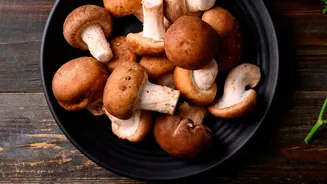
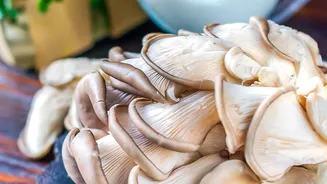
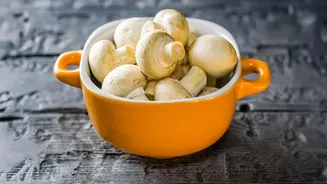
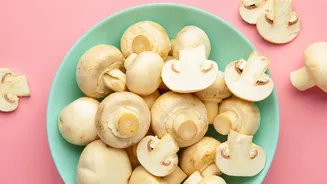
To enjoy mushrooms without the risk, always buy them from a reputable source. This includes established grocery stores, reliable markets, or trusted commercial farms. Commermercially cultivated mushrooms are grown in controlled, hygienic conditions from known edible spawn, ensuring they are safe for consumption. When buying, look for mushrooms that are firm, fresh, and free from bruises, slime, or dark spots. If you are buying pre-packaged mushrooms, check that the packaging has holes for air circulation, which prevents the growth of harmful bacteria. Avoid mushrooms that appear old, decayed, or damaged by insects.
Proper Preparation and Cooking
Even with store-bought mushrooms, proper handling is crucial. It's best to clean mushrooms right before you cook them, not before storing them. Don't soak them in water, as they are porous and will absorb it, becoming soggy. Instead, wipe them with a damp cloth or give them a very quick rinse. While some people enjoy certain mushrooms raw, cooking them is generally recommended. Cooking not only improves their flavour and texture but also helps break down tough cell walls, making their nutrients more available. It is important to note that cooking will not make a poisonous mushroom safe.
Recognising the Symptoms of Poisoning
If you suspect you or someone else has eaten a poisonous mushroom, do not wait for symptoms to appear. Seek medical help immediately. Symptoms can vary greatly depending on the mushroom and can appear anywhere from 30 minutes to 24 hours after consumption. Early signs often include nausea, vomiting, stomach cramps, and diarrhoea. In more severe cases, symptoms can progress to include confusion, hallucinations, and damage to the liver and kidneys, which may not become apparent for a day or two after the initial gastrointestinal issues subside. If possible, take a sample of the mushroom with you to the hospital, as this can be crucial for identification and treatment.