
The Magic of a Post-Monsoon Trip
While many visit Meghalaya during the peak monsoon, the autumn months of October and November offer a perfect balance. The torrential rains have passed, but the landscape remains intensely lush and the waterfalls are still magnificent. This period sees
fewer tourists, giving you a more peaceful and intimate experience. The weather is pleasant and dry, making it ideal for the trekking and sightseeing that Sohra is famous for, without the slippery trails and constant downpours of the rainy season. It's the ideal window to see the region's natural splendour with clear, panoramic views.
Sohra's Waterfalls in Their Autumn Glory
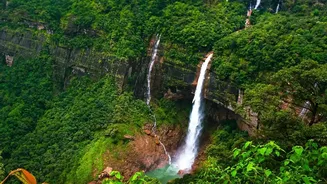
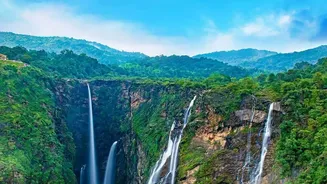
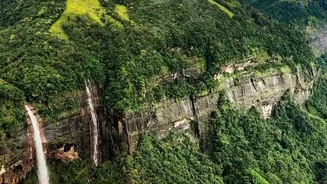
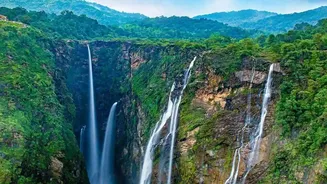
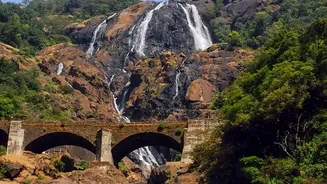
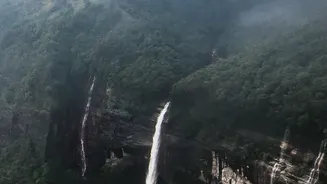
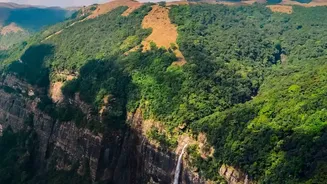
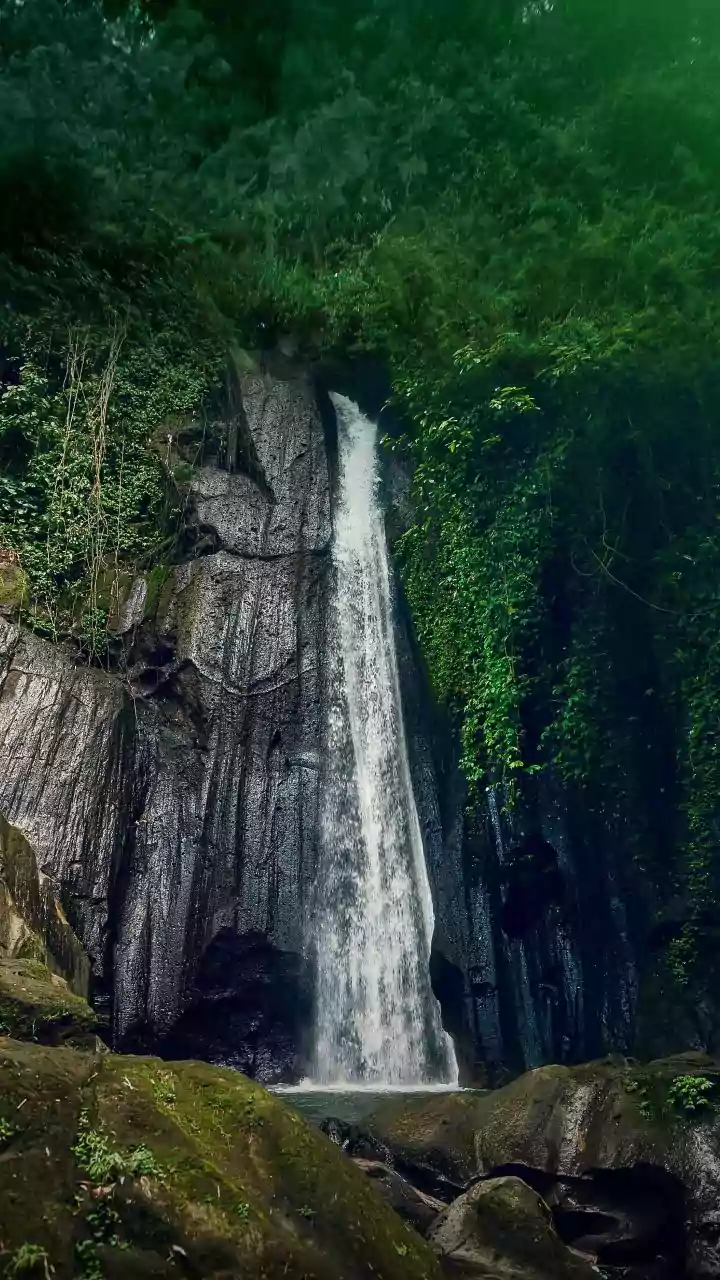
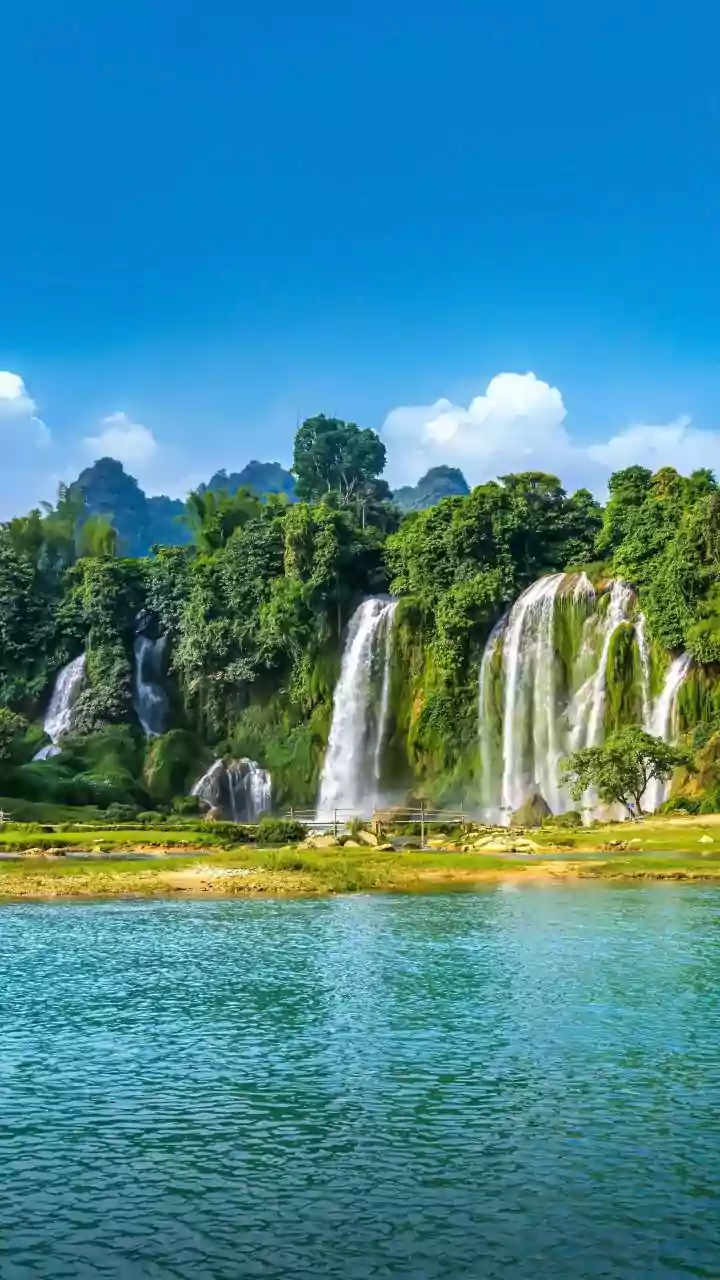
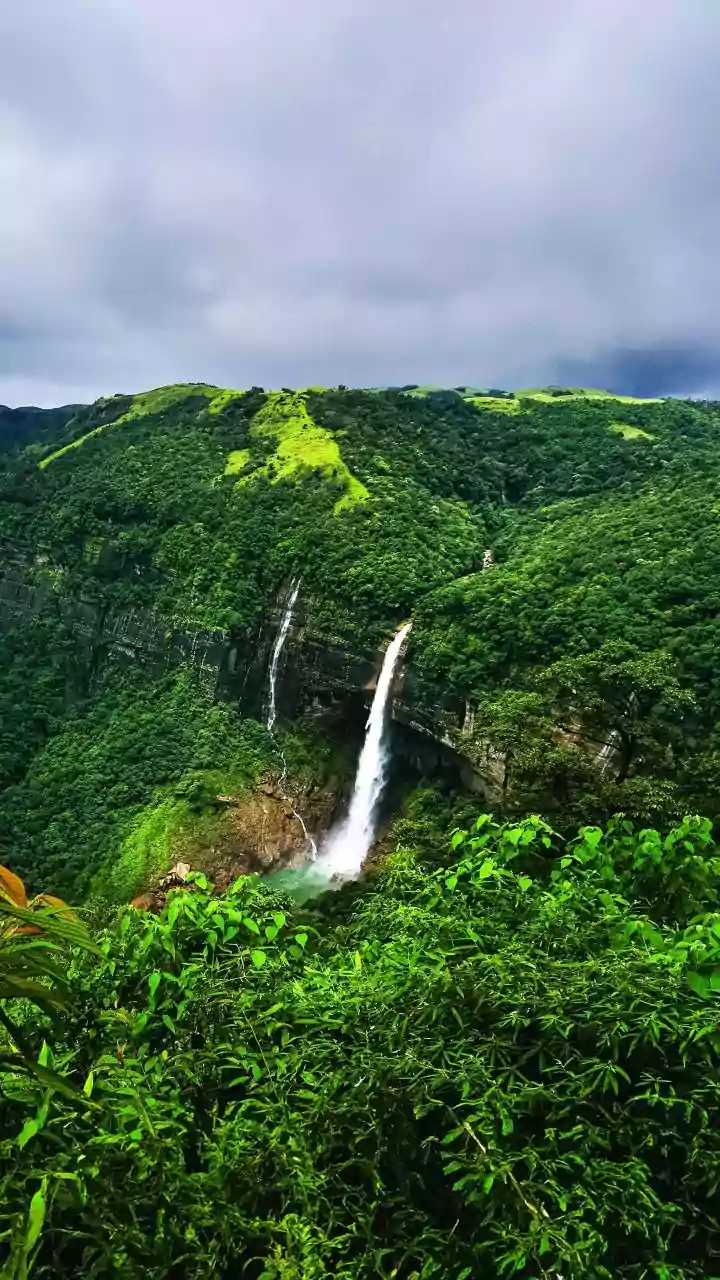
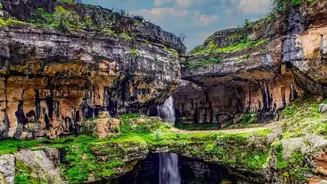
Sohra, also known as Cherrapunji, is home to some of India's most dramatic waterfalls. In autumn, the heavy fog of the monsoon often clears, offering unobstructed views. Nohkalikai Falls, the country's tallest plunge waterfall, is a breathtaking sight as it drops into a turquoise pool. Nearby, the Nohsngithiang Falls, or Seven Sisters Falls, presents a spectacular panorama. While not all seven segments may be flowing with monsoon force, several streams are still active, creating a beautiful cascade down the limestone cliffs. For a different perspective, Dainthlen Falls offers an atmospheric experience with its wide, rocky plateau, connected to local Khasi legends.
The Unforgettable Trek to the Living Root Bridges
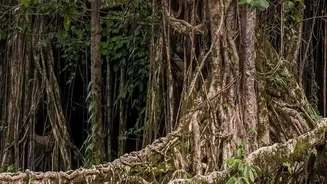
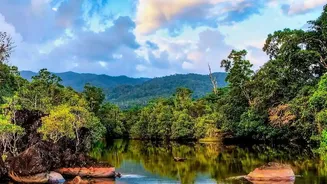
No trip to this region is complete without seeing the living root bridges, a marvel of bio-engineering by the Khasi people. The most famous is the Umshiang Double-Decker Root Bridge in Nongriat village. Reaching it is an adventure involving a trek of about 3 kilometres, descending roughly 3,500 stone steps from Tyrna village. The journey, taking 1.5 to 2 hours one way, winds through dense jungle and across swaying suspension bridges over crystal-clear streams. The sight of the mossy, intertwined roots forming a sturdy, two-level bridge is truly unforgettable, and the pools below are perfect for a refreshing dip.
Exploring Offbeat Caves
Beyond the waterfalls and bridges, Sohra offers fascinating cave systems. While Mawsmai Cave is the most popular and accessible with its well-lit passages, the nearby Arwah Cave provides a more rugged and offbeat adventure. A quieter path leads to Arwah, where you can find ancient marine fossils embedded in the limestone walls, evidence that the region was once under the sea. Exploring these dark, quiet chambers with a guide offers a thrilling glimpse into Meghalaya's geological history.
Practical Guide for Your Autumn Getaway
To get to Sohra, the most common route is to fly into Guwahati, followed by a 3-4 hour drive to Shillong, the state capital. Sohra is another scenic 2-hour drive from Shillong. It is best to base yourself in Sohra for easy access to the main attractions. For the Nongriat trek, start early in the morning to avoid the midday sun and allow 5-6 hours for the round trip. Wear comfortable trekking shoes with good grip and carry cash, as digital payments are rare in remote villages. Even in the drier autumn season, it's wise to pack a light jacket and a waterproof layer for unpredictable showers.